Stop Dishwasher Rust Spots: Easy Fixes Inside
Dishwasher rust spots inside usually happen because of high iron content in your water, or when metal items like utensils or cans rub against the racks. Don’t worry, this is a common issue and is often easily fixed. These orange or brown marks don’t necessarily mean your dishwasher is broken!
Many homeowners notice these spots appear over time, sometimes after using a new detergent or loading dishes differently. It’s important to understand the root cause, whether it’s the water supply or something scratching the interior, to prevent further damage and keep your machine running smoothly. We found that addressing the source is key to long-term cleanliness.
- Rust spots are common.
- Often caused by iron in water.
- Metal items can also cause them.
- Cleaning is usually straightforward.
- Prevention is key.
Let’s get your dishwasher looking its best again. We’ll go through why those pesky rust spots show up and exactly how you can get rid of them.
“`htmlWhy Is My Dishwasher Showing Rust Marks?
Seeing those orange or brown spots appear inside your dishwasher can be a little unsettling. You might wonder if your appliance is falling apart. But don’t panic! We found that these marks are quite common and usually have simple explanations. Often, it’s about what’s in your water or how you’re loading your dishes.
The Role of Water: Iron and Hardness
One of the biggest culprits behind dishwasher rust is the iron content in your tap water. If your water has a high mineral content, especially iron, it can leave behind deposits. These deposits can look a lot like rust. Over time, these can build up and create those noticeable spots. We found that in many areas, this is the primary cause.
Hard water, which is water with a high mineral content (like calcium and magnesium), can also contribute. When these minerals dry on the interior surfaces, they can trap other particles. This can make the rust spots more apparent and harder to remove. Many plumbing systems can introduce these minerals.
What is “Hard Water”?
Hard water means your water supply contains dissolved minerals, primarily calcium and magnesium. While not harmful to drink, these minerals can cause issues in appliances. They leave behind chalky residue and can interact with metal components. This interaction can sometimes lead to spotting.
Metal Items: The Scratches and Stains
Another common cause is simply the friction of metal items against your dishwasher racks or interior. Think about those stray forks, spoons, or even cans of food that might rub against the racks. When metal rubs against metal, it can scrape off tiny particles. These particles can then oxidize and turn into rust spots. We found this is especially true for older racks with worn coatings.
Worn-Out Racks and Detergent Interaction
Your dishwasher racks are often coated with vinyl or plastic. When this coating gets nicked or worn down, the metal underneath is exposed. This exposed metal is then susceptible to rust, especially when it comes into contact with water and air. If these rusty spots transfer to your dishes, it’s a sure sign. Sometimes, certain detergents can also react with metal particles or already existing mineral deposits, making rust more visible.
Common Misconceptions About Dishwasher Rust
It’s easy to assume that rust spots mean your dishwasher is damaged beyond repair. However, this is rarely the case. We found that most of the time, the issue is external or related to water chemistry. Your dishwasher’s main components, like the motor or heating element, are usually not affected by these surface spots.
Rust Spots vs. Internal Damage
True internal damage might involve leaks, electrical issues, or a malfunctioning pump. Rust spots are typically cosmetic and treatable. If you see rust only on your dishes, it’s often a sign of something else, like a chipped plate reacting with water. But the spots inside the tub are what we’re focusing on here.
How to Get Rid of Dishwasher Rust Spots
Now for the good news! You can tackle these rust spots and get your dishwasher looking like new again. We found that a few simple cleaning methods can make a big difference. You likely have most of what you need right in your kitchen.
Method 1: The Vinegar Soak
White vinegar is a fantastic natural cleaner. It’s acidic enough to break down mineral deposits and rust stains. For this method, you’ll want about 2 cups of white vinegar.
- Pour the vinegar into a dishwasher-safe bowl or directly onto the bottom of the dishwasher tub.
- Run the dishwasher on a hot water cycle, but without any dishes.
- The heat and the vinegar will work together to dissolve the rust.
We found that this method is often effective for light to moderate rust. It’s also great for general cleaning and deodorizing your appliance.
Method 2: Baking Soda Scrub
Baking soda is a gentle abrasive that can help lift stubborn stains. You can use it on its own or after a vinegar wash.
- Sprinkle a generous amount of baking soda over the rusted areas inside your dishwasher.
- Let it sit for a few hours or overnight for tough stains.
- Then, gently scrub the spots with a damp sponge or soft cloth.
- You can also run a short, hot water cycle with a cup of baking soda in the bottom for a lighter cleaning.
This combination of cleaning agents is very effective. We found that many users report great success with this two-step approach.
Method 3: Lemon Juice and Salt (for minor spots)
For very minor rust spots, a paste of lemon juice and salt can sometimes work. The citric acid in lemon juice helps break down rust, and the salt acts as a mild abrasive.
- Mix equal parts lemon juice and salt to create a paste.
- Apply the paste to the rust spots.
- Let it sit for about 30 minutes.
- Gently scrub with a soft brush or cloth, then rinse thoroughly.
This is a less potent method but can be useful for quick touch-ups.
Method 4: Commercial Rust Removers
There are also specialized dishwasher rust removers available. These products are specifically formulated to tackle tough rust stains. Always follow the manufacturer’s instructions carefully when using these.
- Read the product label thoroughly.
- Ensure it’s safe for your dishwasher model.
- Use in a well-ventilated area.
- Run an empty cycle afterward to rinse away any residue.
We found that these can be highly effective for stubborn rust that other methods can’t touch.
Preventing Future Rust Spots
Once you’ve cleaned your dishwasher, you’ll want to keep it that way! Prevention is key to avoiding those unsightly marks in the future. We found that a few simple habits can make a big difference.
Water Softener Considerations
If you have high iron or very hard water, investing in a whole-house water softener can be a long-term solution. This tackles the problem at its source. It not only helps your dishwasher but also your other appliances and plumbing. Many experts suggest this for areas with consistently problematic water (CDC).
Loading Best Practices
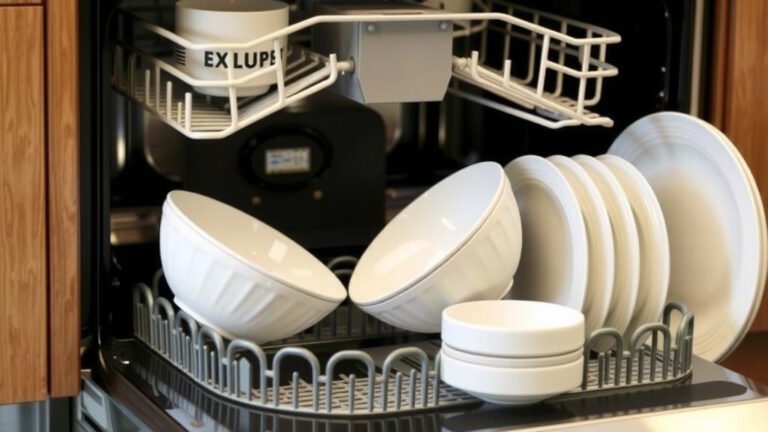
Be mindful of how you load your dishwasher. Avoid letting metal items touch the interior walls or racks directly. Use the designated cutlery basket for utensils. Ensure pots and pans with worn non-stick coatings don’t scrape against the racks.
Regular Maintenance Checklist
Keeping your dishwasher clean and well-maintained is crucial. Here’s a quick rundown:
- Run an empty hot water cycle with vinegar or a dishwasher cleaner monthly.
- Check and clean the filter regularly.
- Inspect racks for damaged coating and address immediately.
- Don’t overload the dishwasher.
- Ensure proper detergent usage – too much or too little can cause issues.
By following these tips, you can significantly reduce the chances of seeing rust spots reappear. Keeping your dishwasher running smoothly and looking its best is definitely achievable!
“`Conclusion
You’ve learned that dishwasher rust spots are common and usually caused by iron in your water or metal items scratching your racks. Don’t let those orange or brown marks worry you! We found that simple solutions like vinegar soaks, baking soda scrubs, or even commercial cleaners can make your dishwasher look new again. The best part is that preventing future spots is totally achievable with a few smart habits, like mindful loading and regular maintenance. Now you have the knowledge to tackle this issue head-on and keep your dishwasher in top shape. Your next step is to pick one of these cleaning methods and give your dishwasher the refresh it deserves!
Frequently Asked Questions
Can I use regular household cleaners on dishwasher rust?
For light rust spots, mild household cleaners like vinegar or baking soda are usually safe and effective. We found that harsh chemicals or abrasive scrubbers can actually damage your dishwasher’s interior surfaces. Always check your dishwasher’s manual if you’re unsure about a specific cleaner.
Is it safe to run the dishwasher if there are rust spots inside?
Yes, it is generally safe to run your dishwasher even if there are rust spots present. We found that these spots are usually cosmetic and don’t indicate a functional problem with the appliance itself. However, it’s best to clean them to prevent them from potentially transferring to your dishes.
How often should I deep clean my dishwasher to prevent rust?
We found that running an empty hot water cycle with vinegar or a dishwasher cleaner about once a month can help prevent mineral buildup and rust. Regular cleaning of the filter and inspecting racks for damage are also important steps.
Will a water softener completely stop dishwasher rust?
A whole-house water softener can significantly reduce rust spots caused by iron in your water. It tackles the problem at the source, meaning less mineral deposit buildup overall. We found this to be the most effective long-term solution for homes with hard or iron-rich water.
Can rust spots on the dishwasher damage my dishes?
While the rust spots themselves are usually just cosmetic, they can sometimes transfer to your dishes, causing orange or brown marks. We found that addressing the rust inside your dishwasher promptly can help prevent this from happening.