Orange Residue in Your Dishwasher? How to Fix It
That orange residue clinging to your dishwasher racks and glassware? You’re likely seeing mineral deposits from hard water, not something dangerous. It’s a common sight for many households. The good news is, it’s usually quite manageable.
This build-up happens when minerals like calcium and magnesium in your water don’t fully dissolve during the wash cycle. They can then settle on your dishes and inside your machine. We found that understanding this process helps tackle the problem effectively. It’s more about water quality than a faulty dishwasher.
- Orange residue is usually hard water minerals.
- It’s common and generally not harmful.
- Proper cleaning can remove it.
- Checking your water hardness helps.
Let’s walk through how to get rid of that orange film and keep your dishes sparkling clean!
Understanding That Orange Dishwasher Film
Seeing an orange tint on your dishes and inside your dishwasher can be a bit startling. You might wonder if something is wrong with your machine or your water. The good news is, this common issue is usually caused by minerals from your tap water. It’s often referred to as hard water staining.
Hard water contains higher levels of dissolved minerals, primarily calcium and magnesium. When this water is heated in your dishwasher, these minerals can precipitate out of the water. They then leave behind that distinctive orange or reddish-brown hue. Many experts agree that it’s a direct result of your local water supply (Cleveland Clinic).
Why Does the Orange Residue Appear?
The minerals in hard water don’t always get rinsed away completely during the wash and rinse cycles. Instead, they can cling to surfaces. Think of it like a very fine dust settling on everything. Over time, this mineral build-up can become quite noticeable, especially on white or light-colored dishes. It can also accumulate on the racks and interior walls of your dishwasher.
We found that the temperature of the water plays a role. Hotter water can sometimes encourage these minerals to deposit more readily. This is why you often see it more on items that have been exposed to the hottest parts of the cycle.
Is It Harmful to Your Dishes or Health?
You’ll be glad to know that this orange residue is generally harmless. It’s not a sign of mold or a dangerous contaminant. The minerals themselves are not toxic. They are the same ones found naturally in drinking water.
Regarding your dishes, the residue is mostly an aesthetic issue. It doesn’t typically damage glassware or plates. However, excessive build-up might make items feel slightly rough. It certainly doesn’t look as nice as sparkling clean dishes.
How to Tackle the Orange Stains
Don’t worry, getting rid of this orange film is usually straightforward. You have a few effective methods at your disposal. Most involve common household cleaners or specialized dishwasher cleaning products. We recommend starting with the simplest solutions first.
Cleaning Your Dishwasher Interior
The first step is to clean the inside of your dishwasher itself. This removes any accumulated mineral deposits that might be transferring to your dishes. A thorough cleaning will help prevent future build-up.
Vinegar Method
White vinegar is a fantastic natural cleaner for hard water stains. Its acidity helps to break down mineral deposits. You’ll need about 1-2 cups of white vinegar.
Place a dishwasher-safe bowl filled with vinegar on the bottom rack of your empty dishwasher. Run a normal hot water cycle. The vinegar will circulate and work its magic. We found this method to be highly effective for general cleaning.
Baking Soda Boost
For a little extra scrubbing power, you can add baking soda. After the vinegar cycle has finished, sprinkle about a cup of baking soda on the bottom of the dishwasher. Run a short, hot water cycle. This helps to neutralize odors and tackle any remaining residue.
Commercial Dishwasher Cleaners
There are many specialized dishwasher cleaning products available. These are formulated to tackle tough mineral build-up. Follow the instructions on the product packaging carefully. Many experts suggest using these cleaners every few months to maintain optimal performance (Consumer Reports).
Cleaning Your Dishes and Cutlery
Once your dishwasher is clean, you’ll want to address any orange stains on your dishes. Sometimes, a regular wash cycle after cleaning the machine is enough. Other times, you might need a bit more.
Soaking in Vinegar
For stubborn stains on individual items, a vinegar soak can work wonders. Fill your sink or a basin with a mixture of equal parts white vinegar and water. Submerge the affected dishes and let them soak for at least 30 minutes. After soaking, rinse them thoroughly and wash as usual. This is a great way to spot-treat specific pieces.
Lemon Juice Alternative
Lemon juice also contains citric acid, which can help dissolve mineral deposits. You can try soaking items in lemon juice, similar to the vinegar method. Just be sure to rinse well afterward.
Gentle Scrubbing
For very persistent stains, a soft-bristled brush or a non-abrasive sponge can help. Use gentle circular motions. Avoid using steel wool or harsh scrubbers, as these can scratch your dishes.
Preventing Future Orange Residue
Prevention is key to keeping your dishes and dishwasher looking their best. Understanding your water quality is the first step. Many areas have hard water, but the severity can vary.
Test Your Water Hardness
You can purchase a home water testing kit. These are readily available at hardware stores or online. They are simple to use and can tell you the level of minerals in your water. Knowing your water hardness will help you choose the best prevention strategies.
Use a Rinse Aid
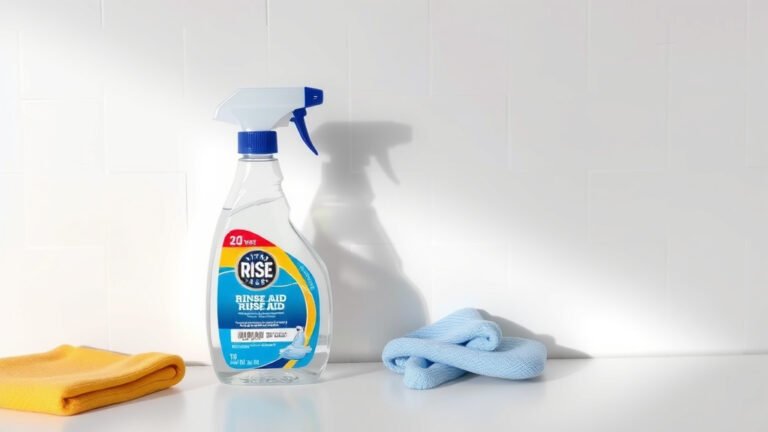
A rinse aid is designed to help water sheet off your dishes more effectively. This reduces water spots and can help prevent mineral deposits from adhering. Many dishwashers have a dispenser for rinse aid. We found that keeping this filled can make a noticeable difference. Using a rinse aid can help prevent mineral deposits, and this guide explains how it works.
Adjust Your Dishwasher Settings
Some dishwashers allow you to adjust settings based on water hardness. Check your dishwasher’s manual. You might be able to select a specific cycle or intensity level that is better suited for hard water conditions.
Consider a Water Softener
If you have consistently hard water, a whole-house water softener might be a worthwhile investment. This system removes the minerals before the water even enters your dishwasher. While this is a larger upfront cost, it can solve hard water issues throughout your home.
Dishwasher Cleaning Checklist:
- Run a hot water cycle with 2 cups of white vinegar.
- Sprinkle baking soda in the bottom and run a short hot cycle.
- Clean your dishwasher filters regularly.
- Use rinse aid consistently.
- Test your water hardness if issues persist.
- Consider a dishwasher cleaner every few months.
Conclusion
You’ve learned that the orange residue in your dishwasher is likely a common mineral deposit from hard water. Thankfully, it’s usually easy to tackle with simple cleaning methods like vinegar or baking soda. By understanding your water hardness and using a rinse aid, you can also prevent this frustrating film from returning. Don’t let hard water win – take these steps to keep your dishes sparkling and your dishwasher running smoothly. Your next step? Grab a bowl of vinegar and give your dishwasher a good cleaning!
Frequently Asked Questions
What’s the quickest way to remove orange residue from my dishwasher?
For a quick fix, try running a hot cycle with about 2 cups of white vinegar placed in a dishwasher-safe bowl on the top rack. This natural cleaner is effective at breaking down mineral deposits. It’s a simple yet powerful method to refresh your machine.
Can I use regular dish soap to clean the orange stains?
Regular dish soap is designed for grease and food particles, not for dissolving mineral build-up. While it might help rinse away loose residue after a vinegar treatment, it won’t effectively remove the stubborn orange stains on its own. You’ll need something acidic like vinegar or a specialized cleaner.
Why does the orange residue only appear on some dishes?
The residue may only appear on certain dishes based on their surface and placement in the dishwasher. Plastic items and those with textured surfaces can sometimes hold onto mineral deposits more readily than smooth glass or ceramic. It also depends on which items are most exposed to the hottest water and rinse cycles.
Is it safe to use a dishwasher cleaner if I have a septic system?
Most commercial dishwasher cleaners are safe for septic systems, but it’s always best to check the product label. Look for “septic-safe” on the packaging. Natural methods like vinegar are generally very safe for septic systems as they break down naturally.
How often should I clean my dishwasher for hard water stains?
If you have very hard water, you might need to clean your dishwasher interior monthly. For moderate hardness, every 2-3 months is usually sufficient. Regularly using a rinse aid and ensuring your dishwasher’s filters are clean will also help extend the time between deep cleans.