Can You Use Too Much Rinse Aid in Your Dishwasher?
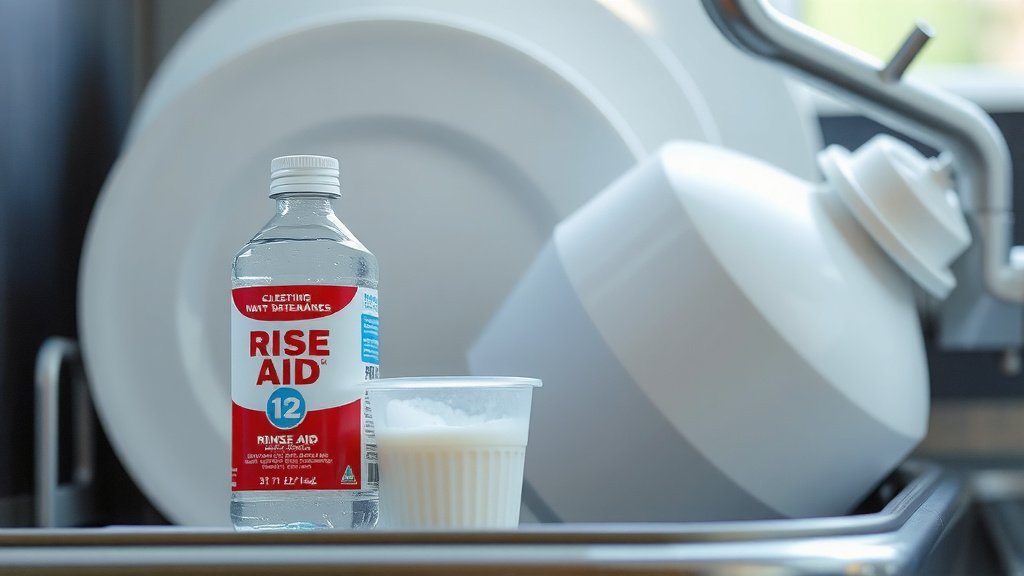
Yes, you can use too much rinse aid, and it actually causes more problems than it solves. Overdoing it often leads to cloudy glasses, filmy residue, and even foaming inside your dishwasher. So if your dishes look worse after a wash, the rinse aid could be the culprit.
We researched this topic and found that most manufacturers recommend keeping the dispenser set to a medium level. Many experts say more isn’t better here — your dishwasher only needs a small amount each cycle to help water slide off your dishes. Too much can also leak into places it shouldn’t and create sticky buildup over time.
- Too much rinse aid can leave a film or cloudy spots on glassware.
- It may cause excess suds and residue inside your dishwasher.
- The sweet spot is usually a medium dispenser setting, around 2 or 3.
- Hard water homes might need slightly more, but only a small bump.
- Signs of overuse include streaking, foaming, and a slick feel on dishes.
So how much is actually enough, and how do you fix it if you’ve overfilled? Below, we break down everything you need to know about rinse aid — how much to use, warning signs to watch for, and simple fixes that get your dishes sparkling again.
What Happens If You Overfill the Rinse Aid Dispenser
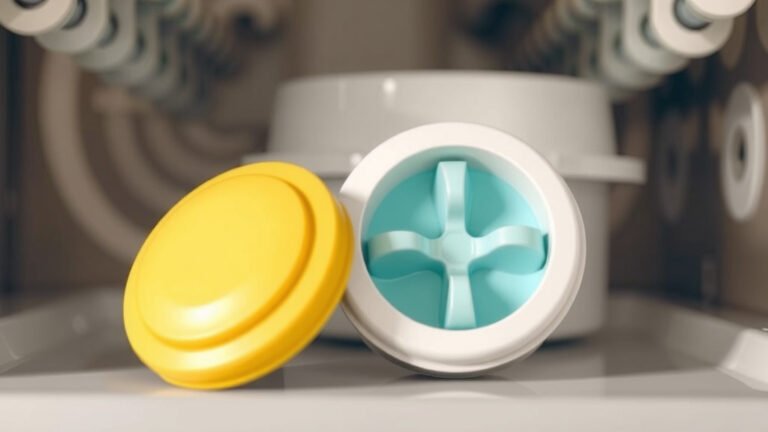
Overfilling the dispenser causes excess rinse aid to spill directly into the tub. From there, it gets sprayed around and baked onto your dishes during the dry cycle. We found that many repair techs rank rinse aid spills among the most common causes of that stubborn white film people blame on detergent.
Think of it like salad dressing. A little coats every leaf nicely. Dump in half the bottle, and you’ve got a soggy puddle at the bottom. Your dishwasher works the same way.
The Right Amount of Rinse Aid to Use
Most dispensers hold a few tablespoons and release only a tiny amount per cycle. Many manufacturers recommend a medium setting — usually 2 or 3 on a dial that goes up to 6. If your model has no dial, just fill it to the line and let the machine do the math.
Wondering how long a full dispenser should last? With normal use, we found it often stretches four to six weeks. If you’re refilling every week, you’re either running the dishwasher constantly or using too much per cycle.
Adjusting for Hard Water
Hard water changes the picture. Minerals in the water cling to dishes, and rinse aid helps water sheet off before those minerals settle. If your home has hard water, you may need a higher setting — maybe 4 instead of 2.
The Environmental Protection Agency notes that more than 85% of US homes have some level of hard water. So if you see spots at the medium setting, bump it up one notch at a time. Go slow.
Adjusting for Soft Water
Soft water is the opposite story. If you have a whole-home softener, you might not need rinse aid at all — or you can run the lowest setting. Many experts say soft water already lets detergent rinse cleanly on its own.
Signs You’re Using Too Much Rinse Aid
Your dishwasher will usually tell you before things get bad. You just have to know what to look for. Here are the warning signs we found come up again and again:
- Glassware looks cloudy or hazy, even when it’s clean.
- You notice streaks or rainbow-colored films on plates.
- Dishes feel slick or slippery after a full cycle.
- Excess suds or foaming appears inside the tub.
- A sticky residue builds up around the dispenser door.
- The machine smells like dish soap instead of nothing at all.
Cloudy Glasses vs. Etched Glasses
Here’s a tricky one. Sometimes cloudy glass has nothing to do with rinse aid. If your glass has been washed hundreds of times in soft water with too much detergent, it may be permanently etched. That’s a scratch-level problem, not a film.
The easy test: rub a little white vinegar on the cloudy spot. If the cloudiness lifts, it was film and you can fix it. If it stays, the glass is etched and no amount of rinsing will bring it back. Sad, but true.
Problems Too Much Rinse Aid Can Cause
Overdoing it isn’t just about ugly dishes. It can actually affect how your machine runs. We found a few issues worth knowing about.
Foaming and Suds Inside the Machine
Rinse aid isn’t designed to foam, but too much can churn up light suds anyway. Suds can seep out the door seal or confuse the sensors inside newer dishwashers. If you’ve ever opened the machine to find bubbles on the floor, this might be why.
Buildup on the Dispenser and Door
Rinse aid is slightly oily. When it leaks around the dispenser cap, it collects dust and detergent powder and turns sticky over time. That gunk can jam the spring-loaded door so it stops releasing properly.
Possible Effects on Internal Parts
Some service guides suggest that long-term overfilling can leave residue on racks, filters, and spray arms. It rarely kills a machine overnight. But why make your dishwasher work harder than it has to?

How to Fix It If You’ve Used Too Much
Good news: fixing an overzealous rinse aid habit is easy. You don’t need a repair visit. Here’s a simple checklist to get back on track:
- Turn the dispenser dial down to the medium setting, around 2 or 3.
- Wipe up any spilled rinse aid around the cap and door with a damp cloth.
- Run one empty cycle with a cup of white vinegar on the top rack.
- Check the filter and spray arms for oily film and rinse them in the sink.
- If suds appear, sprinkle a few tablespoons of table salt to break them down.
- Give it two or three cycles before judging the results.
When to Just Skip Rinse Aid Entirely
If your water is naturally soft and you use a good detergent with a rinse aid built in — many tablets and packs include one — adding more is redundant. Try a few cycles without it. Many experts say you may not notice a difference at all.
Quick Guide to Rinse Aid Settings
Here’s a simple cheat sheet based on what we found across common manufacturer guidance:
| Your Situation | Recommended Setting | Notes |
|---|---|---|
| Soft water at home | 0 to 2 | You may not need it at all |
| Normal water | 2 to 3 | The sweet spot for most homes |
| Hard water | 3 to 4 | Bump up one notch if you see spots |
| Very hard water | 4 to 5 | Consider a water softener too |
| Detergent with rinse aid included | 0 to 1 | Skip the extra pour |
Tips for Getting the Most From Your Rinse Aid
A few small habits make a big difference. We found these tips come up again and again in manufacturer manuals and user guides:
- Refill only when the indicator light comes on or the window is empty.
- Wipe the cap area clean every few weeks to prevent sticky buildup.
- Use the right product — never swap in regular dish soap, which will foam like crazy.
- Keep the dispenser closed firmly so nothing leaks mid-cycle.
- Run hot water at the kitchen sink before starting, so the first fill is hot too.
Treat rinse aid like salt in a recipe. You can always add more later, but you can’t take it back out. Start low, check your results, and adjust from there. Your glasses will thank you — and so will your wallet.
Conclusion
Rinse aid is one of those “less is more” products. A small dose helps water sheet off your dishes for a spot-free finish. Too much leaves film, streaks, and even suds puddling inside your machine. We found the sweet spot for most homes sits around a medium dispenser setting, with a small bump only if you have hard water. If your glasses have been looking worse lately, your rinse aid dial is the first place to check. Turn it down to 2 or 3 today, wipe away any sticky residue around the cap, and run a cycle with a cup of vinegar on the top rack. Two or three washes later, you should see the difference.
Frequently Asked Questions
Can rinse aid damage my dishwasher over time?
Occasional overfilling won’t hurt your machine. But years of spills can leave an oily film on the filter, spray arms, and dispenser mechanism. That buildup can eventually jam the dispenser door or make the machine work harder than it should.
Is rinse aid safe to use with baby bottles and dishes?
Yes, when used correctly. Rinse aid is dispensed in tiny amounts and rinses off during the cycle. If you’re worried, run the lowest setting or skip it and check whether your dishes still come out dry. Our guide to running a dishwasher without rinse aid explains exactly what to expect when you skip it.
Why do my dishes smell like rinse aid after washing?
A lingering scent usually means too much is being released per cycle. Turn the dial down a notch and run an empty cycle with white vinegar to clear out residue. The smell should fade within a wash or two.
Can I mix rinse aid with vinegar in the dispenser?
We don’t recommend it. Vinegar is acidic and can wear down the rubber seals and plastic parts inside the dispenser over time. If you want a vinegar boost, put a cup of it on the top rack during an empty cycle instead.
Does rinse aid expire or go bad?
Most rinse aid products last for years when stored in a cool, dry place with the cap sealed tight. If yours looks separated, smells off, or has been sitting open for several years, it’s cheap enough to replace with a fresh bottle.