
Can You Dishwash Your Thermos? A Smart Guide
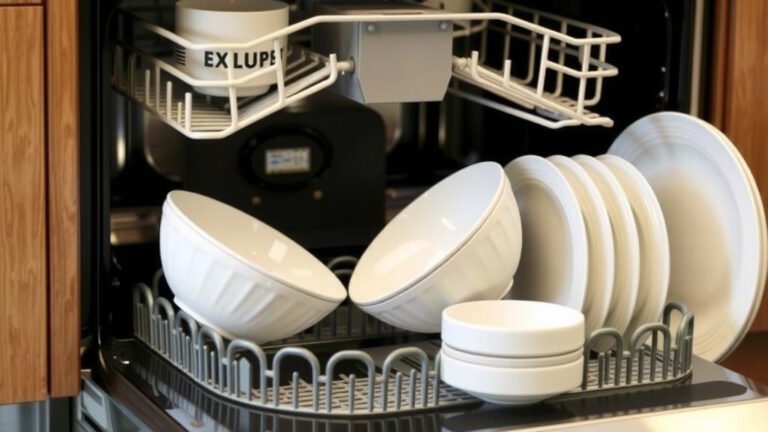
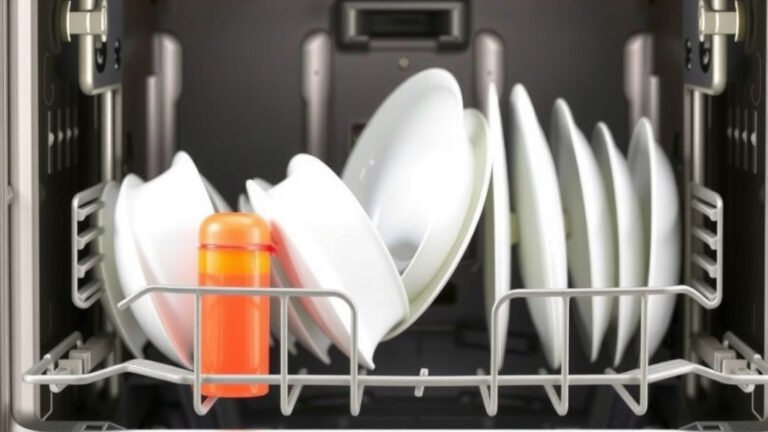
No, you generally should not put your thermos in the dishwasher. While some travel mugs are dishwasher-safe, most traditional thermoses are not. The high heat and harsh detergents can damage the vacuum seal and insulation, making your thermos less effective at keeping drinks hot or cold.
We’ve found that hand-washing is the safest bet for most thermoses. This method helps preserve the integrity of the inner workings. Understanding the materials of your specific thermos is key to avoiding costly damage. Always check the manufacturer’s instructions before attempting any cleaning method, especially if you’re unsure about its dishwasher-safe status.
- Most thermoses are NOT dishwasher-safe.
- Dishwashers can damage the vacuum seal.
- Hand-washing is the recommended method.
- Always check manufacturer guidelines first.
Let’s walk through exactly why this is the case and how you can best care for your beloved thermos to keep it working for years to come.
Cleaning Your Thermos: A Dishwasher Dilemma
So, can you toss your trusty thermos into the dishwasher? The short answer, for most traditional thermoses, is a definite no. While the convenience of a dishwasher is tempting, it can actually do more harm than good to your thermos. We’ve found that the intense heat and strong detergents used in dishwashers are the main culprits.
Understanding the Thermos’s Anatomy
To really get why the dishwasher is a no-go, let’s peek inside your thermos. Most thermoses are designed with a double-wall vacuum insulation. This means there’s a space between the inner and outer walls, and this space is a vacuum. Think of it like the space between the panes of your double-glazed windows. This vacuum is the magic that keeps your coffee piping hot or your water ice-cold for hours.
The Vulnerable Vacuum Seal
This vacuum seal is incredibly delicate. The high temperatures in a dishwasher can cause the air between the walls to expand. This expansion can put stress on the seal that keeps the vacuum intact. If that seal is compromised, your thermos loses its ability to insulate effectively. Suddenly, your hot coffee turns lukewarm in an hour, and your iced tea becomes a sad, watery beverage much faster than you’d like. We’ve found that many manufacturers specifically warn against this.
Harsh Detergents and Their Impact
Beyond the heat, dishwasher detergents are pretty tough. They’re designed to cut through grease and grime with strong chemicals. These chemicals can sometimes wear away at the inner linings or coatings of your thermos. This is especially true for older thermoses or those made with certain materials. Over time, this can affect the taste of your drinks and even make parts of the thermos unsafe for contact with food or beverages, according to some material safety guidelines.
Why Hand-Washing is Your Thermos’s Best Friend
This brings us to the safest method for keeping your thermos in top shape: hand-washing. It might seem like a bit more effort, but it’s a small price to pay for maintaining your thermos’s performance. Hand-washing allows you to control the temperature of the water and the type of soap you use.
Gentle Cleaning for Lasting Performance
When you hand-wash, you can use warm, soapy water. A soft sponge or bottle brush is perfect for gently cleaning the inside. This is usually enough to get rid of any residue or lingering smells without damaging the delicate parts. Many experts recommend this gentle approach as it preserves the integrity of the vacuum seal and the interior surfaces.
Tackling Tough Stains and Odors
What if you have stubborn coffee stains or a persistent odor? Don’t despair! For tougher jobs, you can try a paste of baking soda and water. Let it sit for a while, then gently scrub. Another effective method is to fill your thermos with hot water and a tablespoon of white vinegar. Let it sit overnight, then rinse thoroughly. These methods are effective and much kinder to your thermos than a dishwasher cycle.
What About Travel Mugs and Some Thermos Brands?
You might be wondering if all thermoses are off-limits for the dishwasher. It’s true that some modern travel mugs, often made from different materials or with different construction methods, are labeled as dishwasher-safe. However, this is not the norm for traditional, high-performance thermoses designed for long-term heat or cold retention.
Decoding the Dishwasher-Safe Label
Always, always check the manufacturer’s instructions that came with your thermos. If it explicitly states “dishwasher-safe,” then you can likely go ahead and place it in the top rack. Many newer, simpler travel mugs are designed with this in mind. They might not have the same kind of robust vacuum insulation that a classic thermos boasts.
The “Top Rack Only” Nuance
Even when a product is marked as dishwasher-safe, some people find that using the top rack is still the better option. The bottom rack often gets hotter, especially in dishwashers with a heating element. If you’re unsure or want to err on the side of caution, the top rack is generally the safer bet for any item you’re not 100% confident about.
Materials Matter: What’s Your Thermos Made Of?
The materials used in your thermos play a big role in how it should be cleaned. Most high-quality thermoses have stainless steel interiors. Stainless steel is durable and doesn’t typically react with foods or detergents. However, the outer coatings or painted finishes on some thermoses can be damaged by dishwasher heat and chemicals. This can lead to chipping or discoloration.
Plastic Components and Lids
Lids are often a separate story. Many thermos lids contain plastic parts, rubber seals, or other components that might not withstand high dishwasher temperatures. These parts can warp, melt, or lose their sealing ability. We found that many product warnings specifically advise hand-washing the lids, even if the body of the container is supposedly dishwasher-safe.
A Quick Checklist for Thermos Care
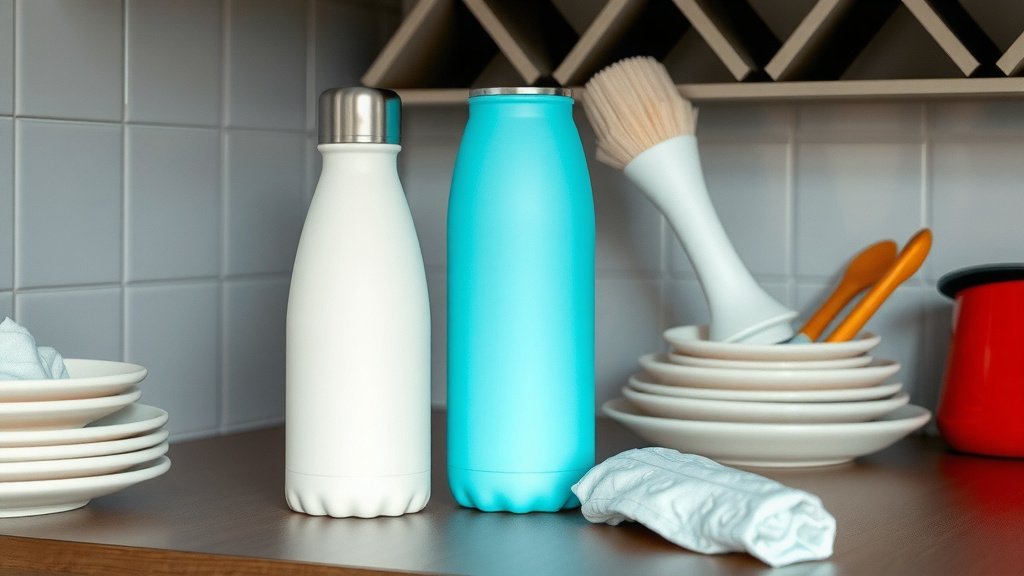
To sum it all up and make it easy to remember, here’s a quick rundown on how to best care for your thermos:
- Always check manufacturer instructions first.
- When in doubt, hand-wash.
- Use warm water and mild soap.
- Avoid abrasive scrubbers.
- Rinse thoroughly after washing.
- Allow to air dry completely.
Conclusion
Keeping your thermos in top condition ensures your drinks stay at the perfect temperature. We’ve found that while some modern travel mugs might be dishwasher-safe, traditional thermoses generally are not. The intense heat and harsh detergents in dishwashers can easily damage the crucial vacuum seal. Hand-washing with warm, mild soap is your safest bet. For stubborn stains or odors, simple home remedies like baking soda or vinegar work wonders. Always check the manufacturer’s guidelines for your specific model before deciding on a cleaning method. By following these simple steps, you’ll extend the life of your thermos and keep it performing its best.
Frequently Asked Questions
Can I hand-wash my thermos lid?
Yes, you absolutely should hand-wash your thermos lid. Lids often contain plastic or rubber components that are sensitive to high dishwasher heat. Hand-washing helps prevent warping or damage to seals, ensuring a proper fit and leak-free experience.
How do I get rid of coffee smell in my thermos?
To remove tough odors like coffee, try a baking soda paste. Mix baking soda with a little water to form a paste, apply it inside the thermos, let it sit for a few hours, then scrub gently and rinse thoroughly. Alternatively, a vinegar and hot water soak overnight can also be very effective.
What kind of soap should I use for hand-washing a thermos?
You should use mild dish soap and warm water for hand-washing your thermos. Avoid any abrasive cleaners or harsh chemicals, as these can damage the interior lining or the vacuum seal. A soft sponge or bottle brush is ideal for cleaning without scratching.
My thermos is starting to lose its insulation. What did I do wrong?
It’s likely the vacuum seal has been compromised. This often happens if the thermos was exposed to extreme heat, such as in a dishwasher or left in a very hot car for extended periods. Damage to the seal means the insulating air space is no longer a vacuum, reducing its effectiveness.
Are there any thermoses that are truly dishwasher-safe?
Some newer travel mugs designed for daily coffee or tea might be labeled dishwasher-safe. These are often made with simpler designs or different materials than traditional, high-performance thermoses. Always look for the explicit “dishwasher-safe” label and check manufacturer instructions to be sure.