Clean Your Dishwasher Filter: Here’s How & Why
Yes, your dishwasher filter absolutely needs cleaning. A dirty filter can prevent your dishwasher from cleaning dishes properly. It can also lead to unpleasant odors and even damage to your appliance over time. Don’t let that gunk win! A clogged filter can slow down your dishwasher’s cycle, and this guide explains how to fix it.
Think of your dishwasher filter like the lint trap in your dryer. It catches all the food particles and debris. If it gets clogged, everything just circulates back onto your dishes. We found that regular cleaning ensures your dishwasher runs efficiently and keeps your kitchen smelling fresh.
- Yes, cleaning your dishwasher filter is necessary.
- Neglecting it can lead to dirty dishes and bad smells.
- It also helps your dishwasher run better and last longer.
- Cleaning is usually a quick and simple task.
Ready to learn how to tackle this simple but important task? Let’s walk through exactly what you need to do to keep your dishwasher filter sparkling clean.
Why Your Dishwasher Needs Filter TLC
So, the big question is: do dishwasher filters really need cleaning? We’ve found the answer is a resounding yes. Think of your dishwasher’s filter as its tiny bodyguard. It stands guard against food scraps and other gunk that could otherwise clog up the works. Without regular cleaning, this filter can become a real problem.
When this filter gets clogged, it stops doing its job effectively. Food particles and debris just get recirculated. This means your dishes might not be getting as clean as they should. You might notice a greasy film or bits of food stuck to your plates and silverware. It’s a common issue that a simple filter cleaning can often fix.
The Consequences of a Clogged Filter
Dirty Dishes Are Just the Beginning
As we mentioned, the most obvious sign of a dirty filter is not-so-clean dishes. When the filter is overwhelmed, it can’t trap all the food particles. These particles then get sprayed back onto your clean load. It’s frustrating to pull out dishes that look like they haven’t been washed at all. You might find yourself re-washing them, which defeats the purpose of using a dishwasher.
Unpleasant Odors Lurking Within
Beyond appearances, a clogged filter can create some truly unpleasant smells. Trapped food particles and grease are a breeding ground for bacteria. These bacteria can produce foul odors that emanate from your dishwasher. You might notice this smell when you open the door after a cycle. Sometimes, the smell can even linger in your kitchen. Nobody wants their kitchen smelling like yesterday’s forgotten leftovers!
Potential for Dishwasher Damage
Ignoring a dirty filter can lead to more serious issues for your appliance. When water can’t flow freely because of a blocked filter, it puts a strain on the dishwasher’s pump. Over time, this extra stress can cause the pump to work harder than it should. This might lead to premature wear and tear, and even damage to the pump mechanism. Repairing or replacing a dishwasher pump can be a significant expense. Keeping the filter clean is a simple way to avoid this costly problem.
Reduced Efficiency and Increased Costs
A dishwasher working harder than it needs to is also less efficient. It might take longer to complete a cycle, or it might not heat water effectively if water flow is restricted. This inefficiency can lead to increased energy and water consumption. Over the long run, this translates to higher utility bills. We found that a well-maintained dishwasher, including a clean filter, operates at its peak performance.
How Often Should You Clean Your Dishwasher Filter?
The frequency of cleaning your dishwasher filter depends on a few factors. These include how often you use your dishwasher and what kind of food debris it typically encounters. However, most manufacturers recommend cleaning it at least once a month. Some households might need to clean it more often.
Factors Influencing Cleaning Frequency
Do you tend to scrape your plates thoroughly before loading? Or do you just give them a quick rinse? If you don’t scrape much, more food particles will enter the dishwasher, meaning the filter will clog faster. Also, if you frequently wash items with a lot of fibrous material, like corn husks or large vegetable scraps, your filter will need more attention. Some dishwasher models are also more prone to clogging than others.
Signs It’s Time for a Cleaning
Besides the obvious dirty dishes and smells, there are other indicators. If your dishwasher seems to be taking longer to drain, this can signal a blockage. Unusual noises during the wash cycle might also be a clue. Sometimes, the dishwasher might not be filling with water properly. These are all red flags that point towards a filter in need of attention. Don’t wait for a breakdown; look for these subtle signs.
Locating and Cleaning Your Dishwasher Filter
Finding the Filter: It’s Usually at the Bottom
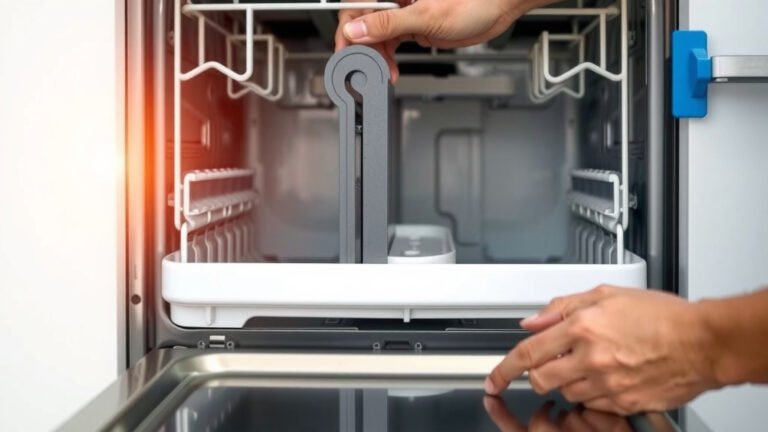
Most dishwasher filters are located at the bottom of the appliance, underneath the lower spray arm. You might need to remove the bottom rack to get a clear view and access. Gently pull out the lower dishrack. You should see the filter assembly nestled in the base of the dishwasher tub. A clogged dishwasher filter can also affect water flow, as explained in this troubleshooting guide.
Types of Filters and Removal
There are generally two main types of filters: a cylindrical one and a flat mesh one, or sometimes a combination of both.
- Cylindrical filters usually twist and pull out. They are often the main debris collector.
- Flat mesh filters might sit below the cylindrical one and can often be lifted or unclipped.
The Cleaning Process: A Step-by-Step Guide
Cleaning your filter is surprisingly simple. Here’s what you’ll need to do:
- Remove the filter assembly. Follow the steps for your specific model to gently detach it.
- Rinse under running water. Take the filter parts to your sink and rinse them thoroughly under cool or lukewarm water.
- Scrub away stubborn grime. Use a soft brush (like an old toothbrush) and a bit of mild dish soap to gently scrub away any stuck-on food particles or grease. Be careful not to use anything abrasive that could damage the mesh.
- Rinse again. Make sure all soap residue is gone.
- Reassemble and replace. Put the clean filter parts back together and securely place them back into the dishwasher. Ensure they click or twist into place properly.
What NOT to Do
It’s important to be gentle. Never use harsh chemicals or abrasive scrubbers on your dishwasher filter. These can damage the filter material and make it less effective. Also, avoid running the dishwasher without the filter in place, even for a single cycle. You risk sending debris straight into the pump and other sensitive parts.
Checklist for a Sparkling Dishwasher Filter
To keep your dishwasher running smoothly, consider this quick checklist:
- Check your filter monthly.
- Remove and rinse the filter.
- Gently scrub away debris.
- Rinse thoroughly.
- Reassemble and replace correctly.
- Wipe down the filter housing area if needed.
Making Dishwasher Filter Maintenance a Habit
Many experts say that incorporating this small task into your monthly routine can make a big difference. Think about it: just a few minutes once a month can save you from dirty dishes, bad smells, and potential repair bills. It’s a small effort for a big return on your appliance’s performance. So, next time you’re tidying up the kitchen, don’t forget that little filter at the bottom – it’s working hard for you!
Conclusion
You now know that your dishwasher filter isn’t just a passive part; it’s essential for clean dishes and a healthy appliance. Neglecting it can lead to grime, odors, and costly damage. We found that a quick monthly check and clean makes a huge difference. By making this simple task a regular habit, you’ll ensure your dishwasher runs efficiently, keeps your kitchen smelling fresh, and saves you money on repairs. Your next step? Locate your filter this week and give it a quick clean – your dishwasher will thank you!
Frequently Asked Questions
Can I just rinse my dishwasher filter or do I need soap?
For light debris, a good rinse under running water is often enough. However, if you notice any greasy buildup or stuck-on particles, a soft brush and a little mild dish soap will help get it truly clean. Just be sure to rinse all the soap away afterward.
What if my dishwasher filter looks really dirty and gross?
Don’t worry, that’s what it’s there for! If your filter is particularly gunked up, take your time with the gentle scrubbing. Using an old toothbrush can help you reach into all the nooks and crannies. Just remember to be gentle with the mesh material.
How can I tell if my dishwasher filter is clogged without taking it out?
You’ll often notice signs like dishes not coming out clean, a persistent bad smell from the dishwasher, or water not draining properly at the end of a cycle. These are all strong indicators that your filter needs attention.
Is it okay to run my dishwasher just once without a filter?
No, we strongly advise against running your dishwasher even once without the filter in place. Food particles and debris will be free to enter and potentially damage the pump and other internal components, which can lead to expensive repairs.
Do all dishwashers have filters that need cleaning?
Yes, virtually all modern dishwashers are equipped with filters designed to trap food particles and debris. While their exact design might vary, the principle is the same: they all need periodic cleaning to function effectively.