Can You Put Cast Iron in a Dishwasher? The Truth
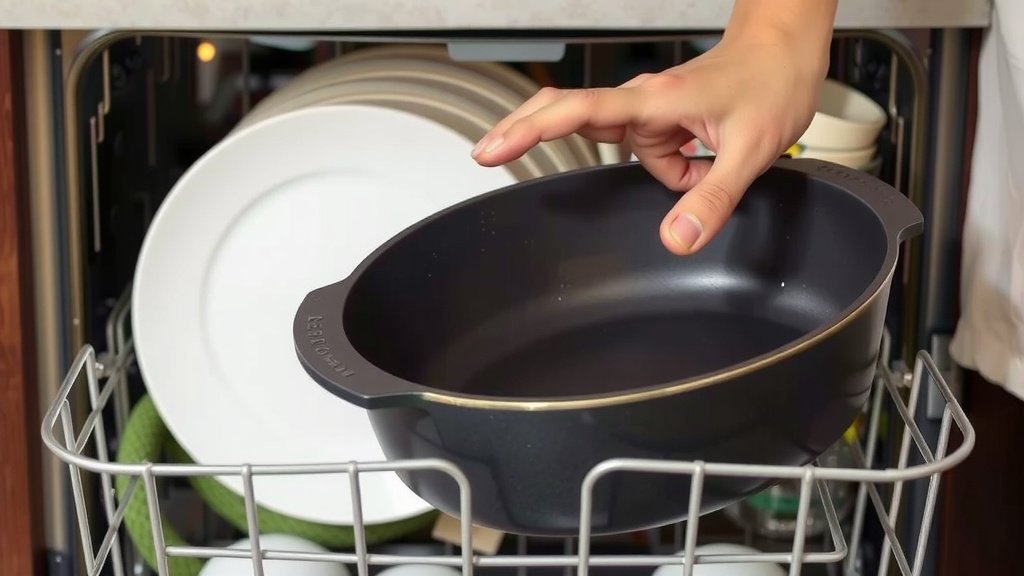
No, you generally should not put cast iron in a dishwasher. While it might seem like a convenient shortcut, a dishwasher’s harsh detergents and prolonged wetness can strip away the seasoning and lead to rust.
Caring for cast iron is a bit different from your everyday pots and pans. It requires a specific cleaning method to maintain its non-stick properties and prevent damage. Many home cooks have learned this the hard way. Properly seasoned cast iron can last for generations.
- Dishwashers are too harsh for cast iron seasoning.
- Detergents can strip the protective layer.
- Prolonged moisture leads to rust formation.
- Hand washing with mild soap is the recommended method.
- Proper drying and seasoning are key to longevity.
Let’s walk through the best way to clean your cast iron to keep it in top shape. We’ll cover what to do and what to absolutely avoid.
So, you’ve got that beautiful cast iron skillet, and maybe you’re wondering if it can get a quick wash in the dishwasher. It’s a tempting thought, right? A load of dishes goes in, and out comes everything sparkling clean. But when it comes to cast iron, that shortcut can actually cause more harm than good. Let’s get into why this classic cookware needs a bit of special treatment.
Cleaning Your Cast Iron Cookware: What You Need to Know
Should you put cast iron in the dishwasher? The short answer is no, you shouldn’t. We’ve seen it happen plenty of times. That seasoned finish you’ve worked so hard to build can be wiped away by harsh dishwasher detergents. Plus, the prolonged exposure to water and heat can lead to rust.
Why Dishwashers Are a No-Go for Cast Iron
Dishwashers are designed for a tough job: blasting away baked-on food and grease from everyday dishes. They use very hot water and powerful, often alkaline, detergents. These detergents are great for stainless steel and ceramic, but they’re essentially like a scouring pad for your cast iron’s seasoning.
Think of your cast iron’s seasoning as a natural, non-stick layer created by polymerized oil. It builds up over time with use and proper care. A dishwasher cycle is like a chemical stripper for that delicate layer. We found that this process strips away the polymerized oils, leaving your cast iron vulnerable.
The Detergent Dilemma
Dishwasher detergents are formulated to break down grease and food particles aggressively. While this is ideal for your dinner plates, it’s detrimental to the oil layer on your cast iron. Many cleaning experts suggest that avoiding strong soaps, even on the stovetop, is best for cast iron.
The Rust Factor
Beyond stripping the seasoning, dishwashers leave cookware sitting in moisture for extended periods. Cast iron, especially if not perfectly seasoned or if its seasoning has been compromised, is prone to rust. Once rust sets in, it can be a real chore to remove and requires re-seasoning the entire pan. We found that even a single wash cycle can initiate rust on susceptible pieces.
The Correct Way to Wash Your Cast Iron
Now that we know what not to do, let’s talk about the right way. Hand washing is the golden rule. It might sound like more work, but it’s a gentle approach that preserves your pan’s integrity. Many seasoned cooks will tell you it’s quick and easy once you get the hang of it.
The goal is to clean the pan without stripping away the hard-earned seasoning. Here’s what we found to be the most effective method:
- Rinse with hot water: As soon as you’re done cooking, while the pan is still warm (but not scorching hot!), rinse it under hot running water. This helps loosen any food bits.
- Use a mild soap (sparingly!): While older advice sometimes said “never use soap,” modern, mild dish soaps are generally okay for well-seasoned cast iron. Use just a small drop if absolutely necessary for sticky bits. Many guidelines from cookware manufacturers now permit a bit of mild soap.
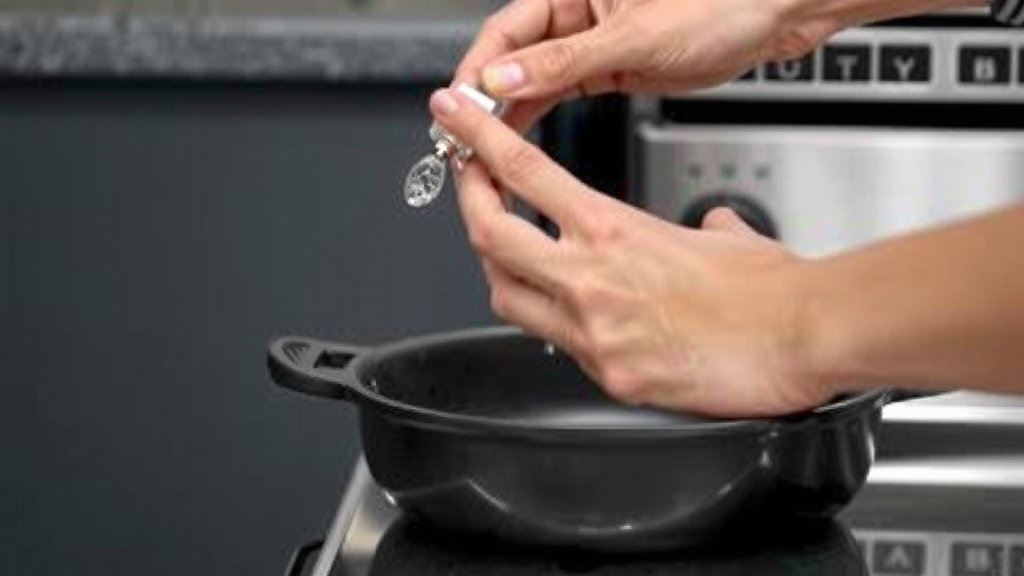
- Scrub gently: Use a soft sponge, a nylon brush, or a dedicated cast iron scraper. Avoid abrasive scouring pads or steel wool, as these can scratch the seasoning. For stubborn bits, we found that a bit of coarse salt can act as a gentle abrasive.
Dealing with Stubborn Bits
Sometimes, food really sticks. Don’t panic! You can add a little water to the pan and bring it to a simmer on the stovetop for a few minutes. This often loosens dried-on food. Then, proceed with the gentle scrubbing as mentioned above. This method is highly recommended by many culinary resources.
The Drying and Seasoning Ritual
This is arguably the most critical step after washing. Improper drying is a surefire way to invite rust, even if you washed it perfectly. And re-seasoning keeps that non-stick surface in tip-top shape.
Thorough Drying is Key
After rinsing and scrubbing, dry your cast iron immediately and completely. Don’t just let it air dry. What we found works best is to dry it thoroughly with a clean towel or paper towels, getting into every nook and cranny. Then, place the skillet back on a low burner on your stovetop for a few minutes. This evaporates any remaining moisture. You’ll know it’s dry when it looks uniformly dull and feels completely dry.
A Quick Re-Seasoning Touch-Up
Once the pan is bone dry and still warm from the stovetop, apply a very thin layer of cooking oil (like vegetable oil, canola oil, or flaxseed oil) all over the interior surface. Wipe away any excess oil with a clean paper towel. You want a microscopic layer, not a greasy film. This quick step replenishes the seasoning and protects the pan until its next use.
When Re-Seasoning Becomes a Project
If your cast iron has lost its shine, has dull or sticky spots, or even has a bit of rust, it might be time for a more thorough re-seasoning. This involves applying multiple thin layers of oil and baking the pan in the oven.
Here’s a simplified look at the process:
| Step | Action |
|---|---|
| 1. Clean | Wash thoroughly, scrub off any rust or old residue. Dry completely. |
| 2. Oil | Apply a very thin, even layer of cooking oil to the entire pan (inside, outside, handle). |
| 3. Wipe | Wipe off all excess oil. The pan should look dry, not greasy. |
| 4. Bake | Place the pan upside down in a preheated oven (around 400-450°F / 200-230°C) for 1 hour. Place foil on the rack below to catch drips. |
| 5. Cool & Repeat | Let the pan cool completely in the oven. Repeat steps 2-4 for 2-3 more times for a robust seasoning. |
We found that even a single oven-baked layer can make a significant difference in the pan’s performance and protection. This is a common recommendation from cast iron enthusiasts and culinary experts alike.
Cast Iron Care: Your Quick Checklist
To keep your cast iron performing beautifully for years to come, remember these simple steps after each use:
- Rinse with hot water.
- Scrub gently if needed.
- Dry immediately and thoroughly.
- Heat on the stove to evaporate moisture.
- Apply a thin coat of oil.
- Store in a dry place.
By following these practices, you’re ensuring your cast iron cookware remains a reliable and beloved part of your kitchen, ready for whatever delicious meal you plan to create next.
Conclusion
You’ve learned that putting your cast iron in the dishwasher is a risky move. It can strip away that precious seasoning and invite rust, ruining your cookware. Instead, embrace the simple ritual of hand washing. A quick rinse, gentle scrub, thorough drying, and a light oiling after each use will keep your cast iron in prime condition. This care ensures your cast iron skillet will be a trusted kitchen companion for years to come. Make hand washing your cast iron a habit, and it will reward you with incredible cooking performance.
Frequently Asked Questions
Will one dishwasher cycle ruin my cast iron?
While one cycle is unlikely to completely destroy your cast iron, it can significantly damage the seasoning. The harsh detergents can strip away the polymerized oil, making your pan vulnerable to rust and reducing its non-stick properties. It’s best to avoid the dishwasher altogether to protect your investment.
Can I use mild dish soap on my cast iron?
Yes, you can use a small amount of mild dish soap on well-seasoned cast iron. Modern mild soaps are much gentler than the harsh detergents found in dishwashers. Use soap sparingly only when necessary for stuck-on food and always rinse thoroughly.
What’s the best way to remove rust from cast iron?
If you find rust on your cast iron, don’t despair. You’ll need to scrub the rusty areas thoroughly, perhaps with steel wool or a stiff brush, until all rust is gone. After cleaning, you must immediately dry and re-season the pan completely to prevent rust from returning.
How often should I re-season my cast iron?
A quick touch-up of oiling and heating after every wash is usually sufficient to maintain the seasoning. A full oven re-seasoning is typically only needed if your pan develops dull spots, sticky areas, or actual rust. Many owners find they only need to do a full re-seasoning once or twice a year, depending on usage.
Is it okay to let cast iron air dry?
No, you should never let cast iron air dry. Air drying leaves too much moisture on the surface, which is the primary cause of rust formation. Always dry your cast iron immediately and thoroughly with a towel, and then heat it on the stove to ensure all moisture is evaporated.