Dishwasher Drying: Do They Dry Dishes Completely
Yes, most modern dishwashers are designed to dry dishes completely, but sometimes they don’t. The drying performance depends on a few factors like the type of dishwasher and how you load it. If your dishes are still wet, it’s often fixable.
You might be surprised to learn that dishwashers use different methods to get your plates and glasses dry. Some rely on heat, while others use condensation. Understanding these methods can help you get better drying results every time.
- Modern dishwashers usually dry dishes well.
- Drying depends on the machine and how you load it.
- Heat and condensation are common drying methods.
- Wet dishes are often a sign something can be adjusted.
We’ve researched the common reasons why dishes might come out wet and what you can do about it. Let’s walk through how to get your dishes sparkling dry. If your dishwasher isn’t drying dishes completely, our guide to common causes can help improve your dishwasher’s drying performance.
How Well Do Dishwashers Dry Your Dishes?
You’ve run the dishwasher, feeling a sense of accomplishment. But when you open the door, you find racks of still-damp plates and glasses. It’s a common frustration! Most modern dishwashers are designed to dry dishes effectively. However, getting them perfectly dry often depends on more than just the machine itself. Your loading habits and even the type of dishwasher play a big role.
The good news is that this problem is usually fixable without needing a new appliance. Understanding the technology behind dish drying can help you troubleshoot and ensure sparkling results every time. Let’s look at what makes your dishwasher work its drying magic.
Understanding Dishwasher Drying Technologies
Dishwashers use a couple of main methods to get your dishes dry. They either use heat or rely on condensation. Some newer models even combine these techniques for better performance. Knowing which type you have can help you understand why dishes might be coming out wet.
The Power of Heat: Heated Dry Cycles
Older and some basic dishwasher models often use a heating element at the bottom of the tub. This element heats up during the drying cycle, warming the air inside the dishwasher. The warm air then circulates, helping to evaporate water from your dishes. Think of it like a tiny convection oven for your plates!
Some dishwashers take this a step further with a fan that blows the warm, moist air around. This can speed up the drying process. However, this method can sometimes use more energy. You might notice a distinct warm smell after a heated dry cycle. It’s effective, but it’s not the only way.
The Gentle Approach: Condensation Drying
Many newer, energy-efficient dishwashers use condensation drying. This method relies on the heat retained by your dishes from the hot wash and rinse cycles. After the final rinse, the dishwasher’s internal stainless steel tub cools down faster than your dishes. Water vapor from the hot dishes condenses onto the cooler interior walls of the dishwasher.
This condensed water then drains away. It’s a quieter and more energy-saving method. However, it can sometimes take longer, and plastic items might not dry as well because plastic doesn’t hold heat as long as glass or ceramic. Some manufacturers use a special coating on the interior tub to enhance this effect, drawing moisture away more efficiently (Bosch).
Combined Methods for Enhanced Drying
Some high-end dishwashers might use a combination of these techniques. They might start with condensation and then use a gentle heating element or a fan to finish the job. This often provides the best of both worlds, ensuring thorough drying without excessive energy use. You might see features like “auto-open door” which helps release steam after the cycle, aiding in both condensation and faster drying.
Why Are My Dishes Still Wet? Common Culprits
If your dishwasher isn’t drying dishes completely, don’t despair! There are several common reasons, and most are easy to fix. Let’s explore what might be going wrong.
Loading Habits: The Biggest Impact
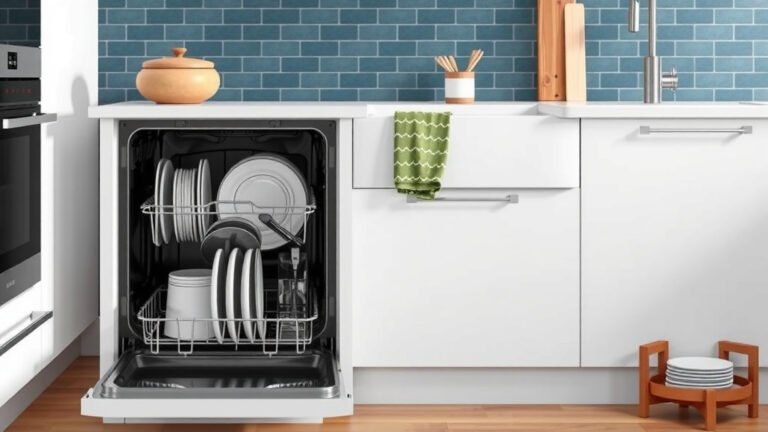
How you load your dishwasher is incredibly important for drying performance. If dishes are blocking water spray or preventing air circulation, they won’t dry properly. It’s a simple principle: give everything space.
- Overcrowding: Stuffing too many items into the dishwasher is a major no-no. Dishes need space for water to drain and air to circulate.
- Blocking spray arms: Ensure large items like pots or pans aren’t preventing the spray arms from spinning freely.
- Improper placement of plastics: Plastic items, especially those on the top rack, can collect water if they aren’t angled correctly.
- Nesting items: Bowls or containers nested too tightly will trap water. They should be placed at an angle to allow water to run off.
Rinse Aid: Your Drying Best Friend
Many people skip rinse aid, thinking it’s unnecessary. But it’s actually key to streak-free and spot-free drying. Rinse aid is a surfactant that reduces the surface tension of water. This allows water to sheet off your dishes rather than forming tiny droplets that leave spots or make drying slower.
Think of it like waxing your car. The wax makes water bead up and roll off. Rinse aid does something similar for your dishes. If you haven’t used it in a while, or if your dispenser is empty, this could be why your dishes are still wet and spotted.
Water Temperature: Not Hot Enough?
Dishwashers need hot water to clean effectively and to aid in drying, especially for condensation models. If your water heater is set too low, or if the water has cooled down before reaching the dishwasher, it can impact performance. Most manufacturers recommend a water temperature of at least 120°F (49°C) at the tap (Energy Star).
You can test your water temperature by running the hot water at your kitchen sink for a minute or two, then checking the temperature with a thermometer. If it’s below the recommended level, you may need to adjust your water heater. Sometimes, simply running the sink faucet until the water is hot before starting the dishwasher can make a difference. Ensure your water heater is set correctly, as running hot water before starting the dishwasher can make a difference in drying.
Dishwasher Maintenance: Cleanliness Matters
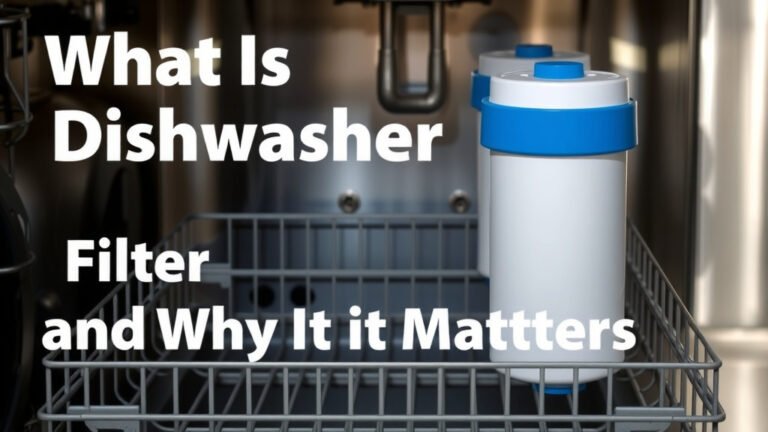
Just like any appliance, your dishwasher needs a little TLC. A dirty filter or clogged spray arms can hinder performance. A clogged filter can prevent proper drainage, leaving standing water. Blocked spray arms won’t distribute water effectively, impacting both cleaning and drying.
We found that regular cleaning of the filter and checking spray arms can significantly improve drying results. Most dishwasher filters are easy to remove and rinse under running water. You can use a toothpick or a small brush to clear any debris from the spray arm holes.
Dishwasher Type and Features
As we discussed, different drying technologies perform differently. If you have a basic model without a heated dry option, you might naturally have wetter dishes, especially plastics. Similarly, if you’re used to a powerful heated dry and switch to a condensation-only model, you’ll notice a change.
Check your dishwasher’s manual to understand its specific drying method. You can also see if there are extra drying options available on your model. Many higher-end dishwashers have settings like “extra dry” or “sanitize” that increase the drying temperature or duration.
Detergent and Water Hardness
The type of detergent you use can also play a role. Some detergents are formulated with drying agents, while others are not. If you’re using an all-in-one detergent pod, it likely contains rinse aid. If you’re using a separate detergent and rinse aid, ensure they are both working effectively.
Water hardness is another factor. Hard water has a high mineral content, which can leave spots and make drying more difficult. If you have very hard water, you might need to use a dishwasher salt or a stronger rinse aid. Many experts suggest using a rinse aid specifically designed for hard water conditions (Consumer Reports).
Checklist for Better Dish Drying Results
Ready to get those dishes sparkling dry? Follow this quick checklist:
- Ensure your dishwasher has adequate space between items.
- Fill the rinse aid dispenser and check it regularly.
- Verify your dishwasher’s water intake temperature is at least 120°F.
- Clean the dishwasher filter every month or so.
- Check that the spray arms are clear of debris and spin freely.
- Use a quality detergent and consider your water hardness.
Conclusion
Getting your dishes completely dry from the dishwasher is totally achievable. We’ve seen that it often comes down to understanding your machine’s drying method—whether it uses heat or condensation. Your loading habits play a massive role, so giving everything space is key. Don’t forget the power of rinse aid; it’s a simple addition that makes a big difference. Regular maintenance like cleaning the filter ensures your dishwasher works its best. Now you have the knowledge to troubleshoot wet dishes. Your next step is to check your rinse aid dispenser and give your dishwasher filter a quick clean to start seeing drier dishes!
Frequently Asked Questions
Will my dishwasher always dry plastic dishes completely?
Plastic dishes tend to dry less effectively than glass or ceramic because they don’t retain heat as well. Condensation drying methods may leave plastics damp. Using your dishwasher’s “extra dry” setting, if available, can help improve results for plastic items.
Is it bad if my dishwasher doesn’t dry dishes 100%?
It’s not necessarily “bad,” but it’s certainly inconvenient. A little residual moisture is common, especially on plastic items. However, if you consistently find dishes unacceptably wet, it suggests an issue with your loading, rinse aid use, or the machine itself that can be fixed.
Can I add dishwasher salt to my machine?
You can add dishwasher salt if your machine has a salt compartment and you have hard water. This salt helps soften the water, which can significantly improve cleaning and drying performance by preventing mineral buildup and spots.
Does leaving the dishwasher door open after a cycle help dry dishes?
Yes, cracking the dishwasher door open after the cycle finishes can help release steam and moisture. This allows for better air circulation, aiding in the natural drying process and preventing lingering dampness on your dishes.
Should I run my hot water tap before starting the dishwasher?
Yes, it’s a good idea to run your hot water tap for a minute before starting the dishwasher. This ensures that the dishwasher’s first fill cycle uses hot water directly from your water heater, which is crucial for effective cleaning and drying, especially in condensation-based systems.