Dishwasher Salt and All-In-One Tablets: Do You Need Both
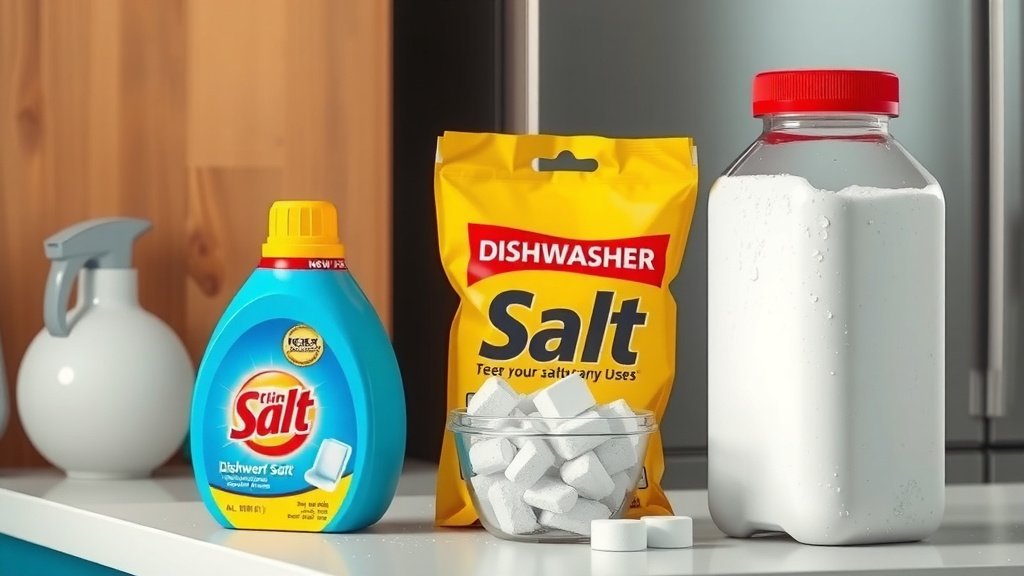
Generally, you do not need to use dishwasher salt Learn what dishwasher salt does for your machine. if your all-in-one dishwasher tablets already contain salt. Most modern tablets are designed to provide all the necessary cleaning agents, including salt, so adding more can be redundant and potentially harmful to your machine. Relying on pre-portioned convenience is often enough.
However, the effectiveness of all-in-one tablets can vary based on your water hardness. If you have particularly hard water, you might still benefit from adding extra dishwasher salt. This helps protect your dishwasher from limescale buildup and ensures dishes come out sparkling clean.
- All-in-one tablets usually include salt.
- Adding extra salt is often unnecessary.
- Check your water hardness level.
- Hard water may require supplemental salt.
- Using too much salt can cause issues.
Let’s break down why this is the case and how to figure out the best approach for your specific dishwasher and water conditions.
Using Dishwasher Salt with All-In-One Tablets: When Do You Need It?
So, you’ve got those convenient all-in-one dishwasher tablets. They promise a sparkling clean with minimal fuss. But a question pops into your head: do you still need that separate dishwasher salt? We’ve got the straightforward answer for you right here.
Generally, if your all-in-one tablets say they contain salt, you probably don’t need to add more. Think of them as a complete meal for your dishwasher. They’re designed to have everything needed for a good wash. Adding extra salt might be like giving your dishwasher a second helping it doesn’t require.
Understanding Your All-In-One Tablet’s Ingredients
These handy tablets are usually formulated to be a complete cleaning solution. They often include detergent, rinse aid, and yes, even salt. This means they’re meant to handle most common dishwashing tasks on their own. Manufacturers pack them with various agents to tackle grease, spots, and ensure a shiny finish.
We found that most major brands of all-in-one tablets are quite sophisticated. They aim to simplify your routine. This is why they include multiple cleaning components in a single tablet. You just pop one in and let it do its magic. It’s the pre-portioned convenience that many of us love.
The Role of Water Hardness in Dishwashing
Now, here’s where things can get a little tricky. The effectiveness of those all-in-one tablets can really depend on your local water. We’re talking about water hardness. This refers to the amount of dissolved minerals, like calcium and magnesium, in your water. It’s a common factor that affects cleaning performance.
If you live in an area with hard water, those minerals can build up over time. This buildup, known as limescale, can be a real menace. It can leave spots on your dishes and glasses. It can also coat the inside of your dishwasher, reducing its efficiency. This is where the salt component in your tablet becomes important.
How Dishwasher Salt Works
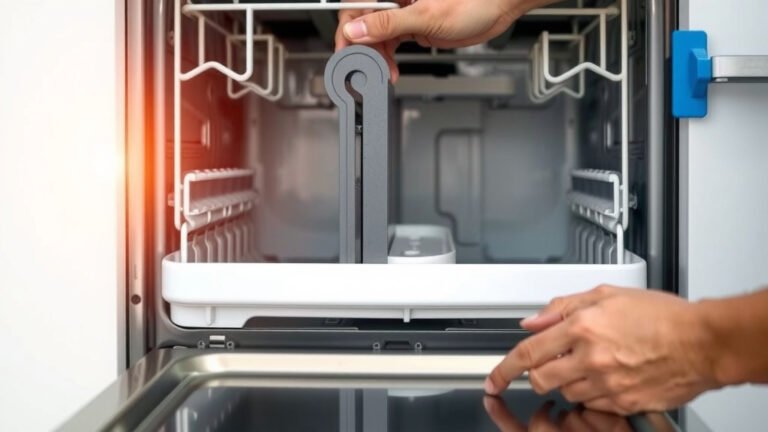
Your dishwasher has a built-in water softener. This unit uses special dishwasher salt to remove those hardness minerals. The salt regenerates the ion-exchange resin inside the softener. This process is key to preventing limescale. It allows the machine to rinse away effectively. Without enough salt, the water softener can’t do its job properly.
When you use an all-in-one tablet, it usually contains enough salt for average water conditions. But if your water is particularly hard, the tablet’s salt might be used up before the cycle is finished. This is why you might still see spots or a cloudy film on your dishes, even with the best tablets.
Testing Your Water Hardness
How can you tell if your water is hard? It’s easier than you might think. You can often get a good idea from your local water utility provider. Many provide information on water hardness levels. You can also purchase a water hardness test kit online or at a hardware store. These kits are usually very simple to use.
You might also notice signs of hard water around your home. Are you constantly battling limescale on your faucets? Do your dishes sometimes come out with a chalky residue? These are good indicators that your water might be on the harder side. We found these are reliable clues.
When Adding Extra Dishwasher Salt Makes Sense
So, when should you consider adding extra dishwasher salt, even if your tablets contain it? The primary reason is significantly hard water. If your water hardness level is high, the salt in your all-in-one tablet might not be enough. You’ll likely notice this if your dishes aren’t coming out as clean as you’d expect.
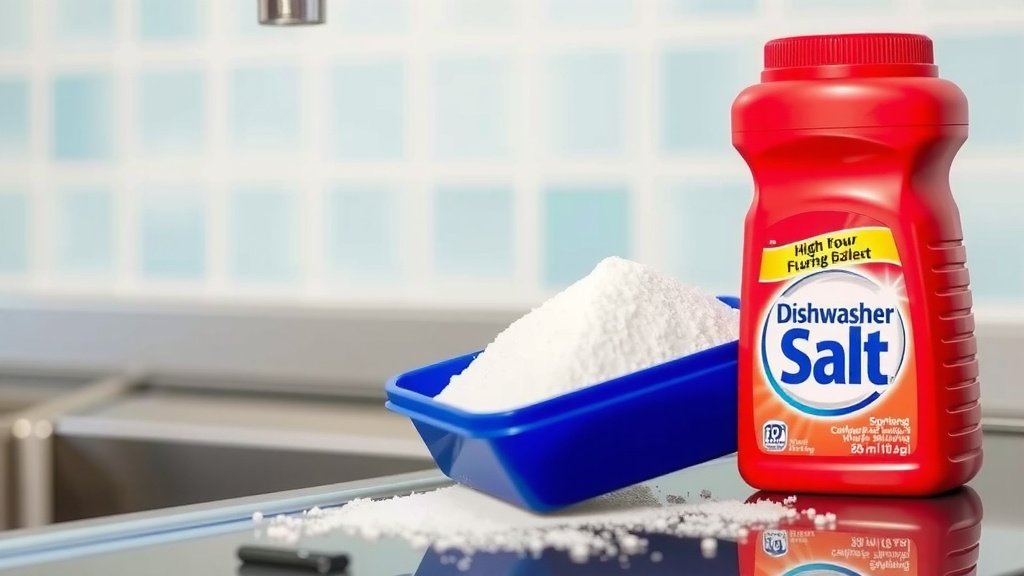
Many experts suggest that if you have very hard water, it’s a good idea to supplement. You can do this by disabling the salt function on your tablet. Then, you can add dishwasher salt directly to your machine’s salt compartment. This ensures the water softener is always topped up. We found this strategy often leads to noticeably cleaner dishes.
What Happens If You Use Too Much Salt?
While adding salt can be beneficial for hard water, there’s such a thing as too much of a good thing. Using extra salt when you don’t need it, or overfilling the salt dispenser, can cause problems. This can lead to excessive foaming in the dishwasher. It might even cause corrosion over time.
We found that most dishwashers have a way to adjust the salt dosage. If you’re adding extra salt, make sure you’re not overdoing it. Refer to your dishwasher’s manual for guidance. A good rule of thumb is to trust the indicators on your machine. If it’s not signaling a need for salt, you likely don’t need to add it.
Checking Your Dishwasher’s Salt Indicator
Modern dishwashers are smart! They often have a salt indicator light. This little light is your best friend when it comes to managing dishwasher salt. If the light is off, your machine likely has enough salt. If it comes on, it’s telling you it’s time to refill the salt dispenser.
This indicator light is directly tied to the dishwasher’s water softening system. It monitors the resin’s salt level. So, if your all-in-one tablets are working as they should for your water conditions, the indicator light should generally stay off. If it stays on, it’s a sign the tablet’s salt isn’t quite cutting it for your hard water. This is your cue to consider adding more.
A Quick Checklist for Dishwasher Salt Use
To help you decide, here’s a quick rundown:
- Check your tablet packaging: Does it explicitly state it contains salt?
- Test your water hardness: Is it soft, medium, or hard?
- Observe your dishes: Are you seeing spots or a cloudy film?
- Note your dishwasher’s indicator light: Is the salt light on or off?
- Consult your dishwasher manual: Understand its salt settings.
- When in doubt, err on the side of caution: Don’t over-salt.
When All-In-One Tablets Might Not Be Enough
Sometimes, even the best all-in-one tablets struggle. This is particularly true in areas with very aggressive hard water. In such cases, the convenience of the tablet might be outweighed by the need for more robust water softening. Your dishes might persistently show signs of inadequate rinsing or mineral buildup.
We found that many users with extremely hard water actually disable the salt function on their tablets. They then use a separate dishwasher salt. This allows them to have more control over the salt level. It ensures the water softener is always working at peak performance. This can be a game-changer for achieving truly spotless results.
Potential Downsides of Incorrect Salt Usage
It’s important to get this right. Using the wrong amount of salt can actually be detrimental to your dishwasher. Too much salt can accelerate the corrosion of metal parts inside the machine. It can also lead to excess suds, which can cause leaks. We found that consistent use of extra salt when not needed is a common cause of premature wear.
On the flip side, not using enough salt when you have hard water means your dishwasher isn’t protected. Limescale will build up, reducing efficiency and potentially causing damage. So, while the convenience of all-in-one tablets is great, understanding your water’s needs is key to keeping your dishwasher happy and your dishes sparkling.
| Water Hardness | All-In-One Tablet (with Salt) | Recommendation |
|---|---|---|
| Soft | Likely Sufficient | No extra salt needed. |
| Medium | Usually Sufficient | Monitor dishes and salt light. |
| Hard | May Not Be Enough | Consider disabling tablet salt and adding separate salt. |
| Very Hard | Rarely Sufficient | Strongly recommend disabling tablet salt and adding separate salt. |
Conclusion
Ultimately, whether you need extra dishwasher salt with all-in-one tablets boils down to your water hardness. While most tablets handle average water well, very hard water might require supplemental salt. We’ve found that paying attention to your dishwasher’s salt indicator light and observing your dishes for spots can tell you a lot. Don’t be afraid to test your water hardness. Your next step is to check your water hardness and your dishwasher’s salt light. This simple check will help you make the right choice for sparkling dishes and a healthy machine.
Frequently Asked Questions
Can I use dishwasher salt if my all-in-one tablets say they contain salt?
Generally, if your all-in-one tablets explicitly state they contain salt, you likely don’t need to add more. Manufacturers design these tablets to be a complete solution for average water conditions. Adding extra salt might be unnecessary and could even cause problems like excessive foaming.
How do I know if my water is too hard for all-in-one tablets?
You’ll often see signs like white spots or a cloudy film on your dishes and glassware after washing. Also, check your local water utility’s website for water hardness reports, or use a simple water hardness test kit you can buy online or at hardware stores. These clues will tell you if your water is on the harder side.
What should I do if my dishwasher’s salt indicator light stays on when using all-in-one tablets?
If your dishwasher’s salt light remains on, it’s a strong signal that the salt included in your all-in-one tablets isn’t sufficient for your water conditions. We suggest consulting your dishwasher manual. You might need to disable the salt function on the tablets and add dishwasher salt directly to the machine’s salt compartment.
Will adding extra dishwasher salt damage my machine if I don’t need it?
Yes, using too much salt when it’s not needed can cause issues. It can lead to excessive foaming, which might cause leaks, and over time, it can accelerate corrosion of internal metal parts. We found that over-salting is a common cause of premature wear in dishwashers.
Are there any brands of all-in-one tablets that are better for hard water?
While many major brands offer all-in-one tablets, their effectiveness with very hard water can still be limited. Some users with extremely hard water find more success by disabling the salt feature in their tablets and adding dishwasher salt separately. This allows for better control over the amount of salt used to protect the water softener.