Pre Wash Dishes: Do You Really Need To
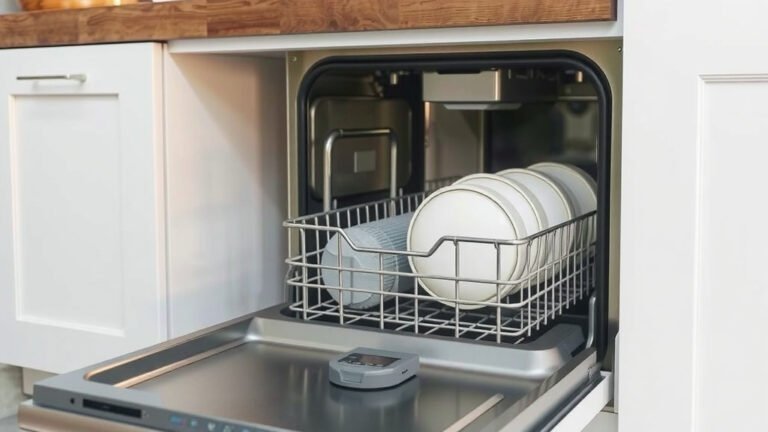
So, should you pre-wash dishes before putting them in the dishwasher? Generally, no, you do not need to. Modern dishwashers are designed to handle food scraps, and pre-rinsing can actually make them less effective. The detergent needs something to cling to for proper cleaning.
While scraping off large chunks is still a good idea, giving your plates a full rinse is often a waste of water and time. We’ve found that many people over-wash their dishes. Letting the dishwasher do its job is usually the most efficient method for clean dishes and a happy planet.
- Scrape off large food bits first.
- Modern dishwashers handle most food residue.
- Pre-rinsing can reduce cleaning effectiveness.
- It’s a common myth that you need to pre-wash.
- Save water and energy by skipping the rinse.
Let’s walk through exactly why pre-washing isn’t necessary and what you should do instead to get your dishes sparkling clean.
The Real Deal About Pre-Washing Your Dishes
You’ve probably asked yourself this question while staring at a greasy pan. Should you pre-wash dishes before loading the dishwasher? We’ve all been there! It feels like the right thing to do. But research and common practice show something different. For most loads, you can skip the sink scrubbing. Your dishwasher is actually designed to handle the job. If you won’t be running the dishwasher right away, a light rinse can prevent food from hardening too much, and the rinse only cycle can help.
Why Pre-Rinsing Isn’t Usually Necessary
Modern dishwashers are marvels of engineering. They use powerful jets and specialized detergents. These work best when they have something to latch onto. Think of it like this: your detergent needs a little bit of food residue to cling to. This helps it activate and work its magic across your whole dish. If you rinse every speck away, the detergent can just swirl around uselessly. You might even end up with less clean dishes.
How Dishwashers Work Their Magic
Dishwashers spray hot water at high pressure. This forcefully removes food particles. They also use special enzymes in the detergent. These enzymes are formulated to break down tough food soils. Many experts agree that this mechanical and chemical action is enough for most messes (National Sanitation Foundation).
The Myth of the Sparkling Rinse
The idea that you must pre-rinse comes from older dishwasher models. Those machines were less powerful. They needed more help from us. Today’s models are far more efficient. They are built to tackle baked-on food. So, if you’re using a newer dishwasher, you’re likely wasting your time and water by pre-rinsing.
What You *Should* Do Before Loading
While a full rinse isn’t needed, there’s one important step. You should definitely scrape off large chunks of food. Think about a half-eaten piece of lasagna or a large bone. These big items can clog your dishwasher’s filter. They might even get stuck in the spray arms. This can lead to poor cleaning results for everything else.
Scraping vs. Rinsing: What’s the Difference?
Scraping is about removing solid waste. It’s a quick flick of a spatula or a rinse under the tap to get big pieces off. Rinsing, on the other hand, involves washing the entire surface. You’re trying to remove almost all visible food residue. This is the part that most dishwashers don’t need you to do.
Keeping Your Dishwasher Filter Clean
Your dishwasher has a filter. It catches food particles so they don’t get redeposited on your dishes. This filter needs regular cleaning. If you don’t scrape off large debris, the filter can clog faster. This can make your dishwasher smell bad and clean poorly. We found that checking and cleaning your filter monthly helps a lot.
The Environmental and Practical Costs of Pre-Washing
Let’s talk about water. Running your tap to pre-rinse every dish adds up. Think about all the water you use just to wash dishes that the dishwasher would have cleaned anyway. This isn’t just a waste of water; it also means you’re heating extra water. That uses more energy, too. It’s a double environmental hit.
Saving Water and Energy
The U.S. Department of Energy suggests that modern dishwashers often use less water than handwashing. But this is true only if you’re running full loads and not pre-rinsing. By skipping the pre-rinse, you’re contributing to water conservation. You’re also reducing your home’s energy consumption. It’s a simple change that makes a difference. The U.S. Department of Energy suggests that modern dishwashers often use less water than handwashing, but this is true only if you’re running full loads and not pre-rinsing.
Time is Money (and Sanity!)
Your time is precious. Do you really want to spend extra minutes scrubbing dishes that will just get washed again? Scraping takes seconds. Washing takes minutes. Those minutes add up over weeks and months. Freeing up that time means you can relax or do something you enjoy. It makes your household chores feel much more manageable.
When Pre-Rinsing Might Be Helpful
Are there any times when a little extra rinse is okay? Yes, there are a few specific situations. If you have extremely stubborn, dried-on food, a quick soak or scrub might be useful. This is especially true for pots and pans with burnt-on residue. Also, if you won’t be running the dishwasher right away, a light rinse can prevent food from hardening too much.
Dealing with Tough, Baked-On Food
For things like burnt cheese or dried oatmeal, scraping alone might not be enough. In these cases, a short soak in hot water can help loosen the gunk. You could also give it a gentle scrub with a sponge. The goal here isn’t to get it perfectly clean. It’s just to make it easier for the dishwasher to remove the rest.
The “Delay Load” Scenario
Sometimes life gets busy. You might load up a few dishes but not have enough for a full load. If those dishes will sit for more than a day, a quick rinse can be a good idea. This prevents food from becoming rock-hard and potentially creating odors. Just a light rinse to remove the worst of it is all you need.
A Simple Checklist for Dishwasher Success
Getting your dishes clean without extra work is totally achievable. Follow these simple steps for the best results:
- Scrape off large food particles into the trash.
- Load your dishwasher efficiently, not overcrowding.
- Add the correct amount of dishwasher detergent.
- Run your dishwasher only when it’s full.
- Clean your dishwasher’s filter regularly.
- Consider using a rinse aid for spot-free drying.
Making the Switch: A Practical Guide
Transitioning from pre-washing to just scraping can feel strange at first. You might be worried about getting clean dishes. Start by trying it with a regular load. See how your dishes come out after a full cycle. You’ll likely be surprised at how well the dishwasher does the work for you.
What to Expect from Your Dishwasher
Modern dishwashers are designed to handle a wide range of food soils. They use advanced spray patterns and powerful water jets. The detergents available today are also highly effective. They contain enzymes that break down proteins and starches. This means less work for you and a cleaner kitchen.
Troubleshooting Common Dishwasher Issues
If you notice dishes aren’t coming out clean, don’t immediately go back to pre-rinsing. First, check your dishwasher’s manual. Make sure you’re using the right detergent and loading technique. Inspect the spray arms for blockages. Clean out the filter as we discussed. Often, these simple maintenance steps solve cleaning problems. Many dishwasher manufacturers recommend against pre-rinsing (Whirlpool).
| Action | Recommendation | Why? |
|---|---|---|
| Scrape Large Food Chunks | DO IT | Prevents filter clogs and spray arm blockages. |
| Lightly Rinse Items with Dried-On Food (if not running load soon) | Optional, but can help | Prevents food from hardening excessively. |
| Full Pre-Wash/Scrub All Dishes | SKIP IT | Wastes water and energy; detergent needs some food to cling to. |
| Soak Burnt-On Pots and Pans | If necessary | Helps loosen extremely tough residue for dishwasher to finish. |
Conclusion
So, should you pre-wash dishes? For most of your everyday meals, the answer is a resounding no. Modern dishwashers are built to handle food scraps efficiently. You can save precious time and resources by simply scraping off large chunks and letting your machine do the heavy lifting. Embrace this simpler approach to dishwashing. It’s better for your wallet, your schedule, and the planet. Next time you load up, trust your dishwasher and skip the extra rinse!
Frequently Asked Questions
What if my dishwasher doesn’t seem to be cleaning well?
If your dishes aren’t coming out clean, don’t immediately resort to pre-rinsing. First, check your dishwasher’s manual for proper loading and detergent use. Ensure the spray arms aren’t blocked and that you’re cleaning the filter regularly, as a clogged filter is a common culprit for poor cleaning performance.
How often should I clean my dishwasher filter?
We found that cleaning your dishwasher filter about once a month is generally a good practice. If you tend to scrape off large food particles before loading, you might get away with cleaning it less often. However, regular checks help prevent odors and ensure optimal cleaning.
Are there specific foods that *do* need extra attention?
Yes, extremely stubborn, baked-on foods like burnt cheese or dried oatmeal are exceptions. For these tough messes, a quick soak in hot water or a gentle scrub with a sponge can help loosen the residue. The goal isn’t to get them spotless, just to make it easier for the dishwasher to finish the job.
Will my dishwasher smell if I don’t pre-rinse?
Your dishwasher shouldn’t smell if you’re scraping off large food chunks and cleaning the filter regularly. Unpleasant odors usually arise from food particles accumulating in the filter or drain. Properly functioning modern dishwashers with appropriate detergents are designed to handle typical food soils without causing odors.
Is it okay to rinse dishes if I’m not running the dishwasher right away?
If you know your dishes will sit in the dishwasher for more than a day, a light rinse can be helpful. This prevents food from hardening excessively, which can make it harder for the dishwasher to clean later. Just a quick rinse to remove the worst of it is sufficient; a full pre-wash is still unnecessary.