How to Load Tupperware in Dishwasher for Best Results
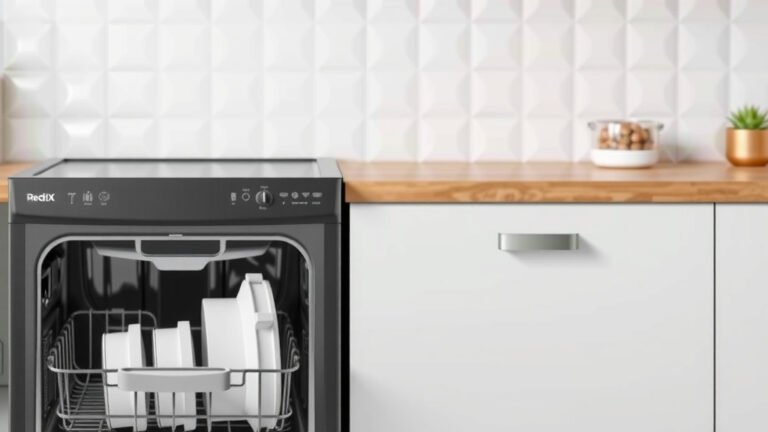
The best way to load your Tupperware in the dishwasher is to place it on the top rack, away from the heating element. Make sure to rinse off any large food particles first. Most Tupperware is dishwasher-safe, but always check the bottom for the symbol.
You want your food containers to come out sparkling clean, right? Proper loading helps prevent warping and ensures a thorough wash. We found that understanding your dishwasher’s layout is key to loading plastic containers effectively. This saves you time and keeps your Tupperware in great shape.
- Rinse large food bits before loading.
- Place most plastic containers on the top rack.
- Keep them away from the dishwasher’s heating element.
- Check the bottom for the dishwasher-safe symbol.
Let’s walk through exactly how to get your Tupperware squeaky clean in the dishwasher, step by step.
Your Guide to Dishwasher-Friendly Tupperware Loading
You want your Tupperware to come out clean, not warped or melted. Loading it correctly is key. We’ve researched the best ways to get your plastic containers sparkling. It’s simpler than you think!
Checking if Your Tupperware Can Handle the Heat
Not all plastic is created equal. Before you even think about loading, it’s smart to check if your containers are dishwasher-safe. Most modern Tupperware is, but it’s always best to be sure.
Where to Find the Dishwasher-Safe Symbol
Look at the bottom of your Tupperware. You’re searching for a small symbol. It often looks like a dishwasher with wavy lines above it. Sometimes it’s just text saying “dishwasher-safe” or “top-rack safe.”
What If There’s No Symbol?
If you can’t find a symbol or text, play it safe. It’s better to hand wash those pieces. We found that older or decorative containers might not fare well in the dishwasher’s high heat.
Prepping Your Tupperware for the Wash Cycle
A little prep work goes a long way. Think of it like rinsing your dishes before they go in the sink. This step helps the dishwasher do its job better.
Scrape Off Major Food Residue
Don’t load containers with large chunks of food still in them. Scrape out as much as you can into the trash or compost. This prevents your dishwasher’s filter from clogging. It also stops those bits from sticking to other items.
Rinse Lightly if Needed
For containers with sticky or greasy residues, a quick rinse under the tap is helpful. You don’t need to scrub them clean. Just a rinse will remove the worst of it. This lets the detergent and hot water work more effectively.
Strategic Loading: Top Rack is Your Friend
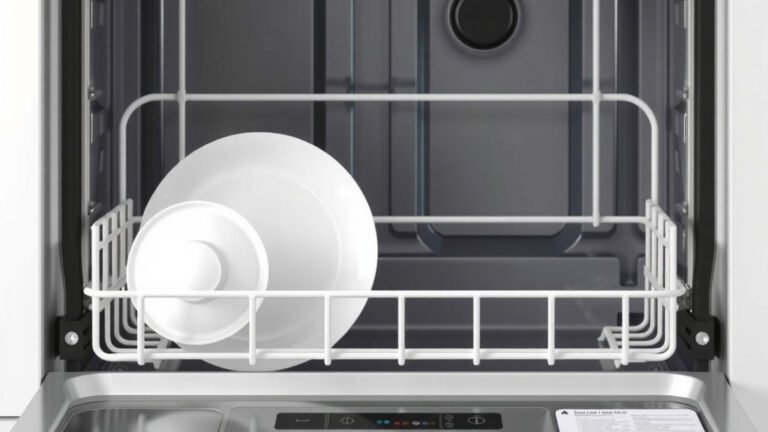
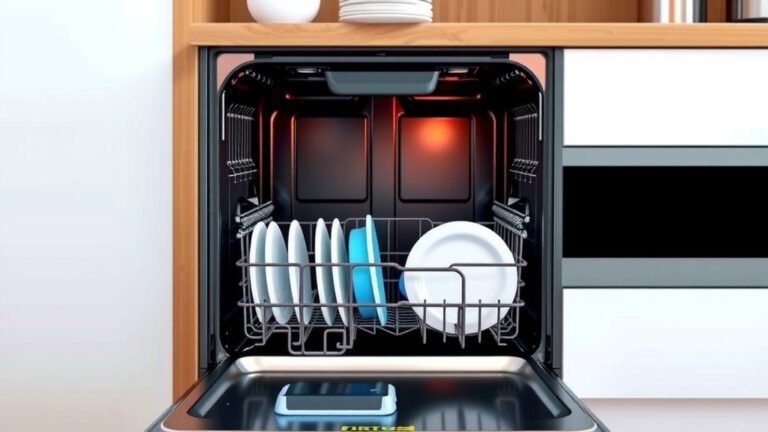
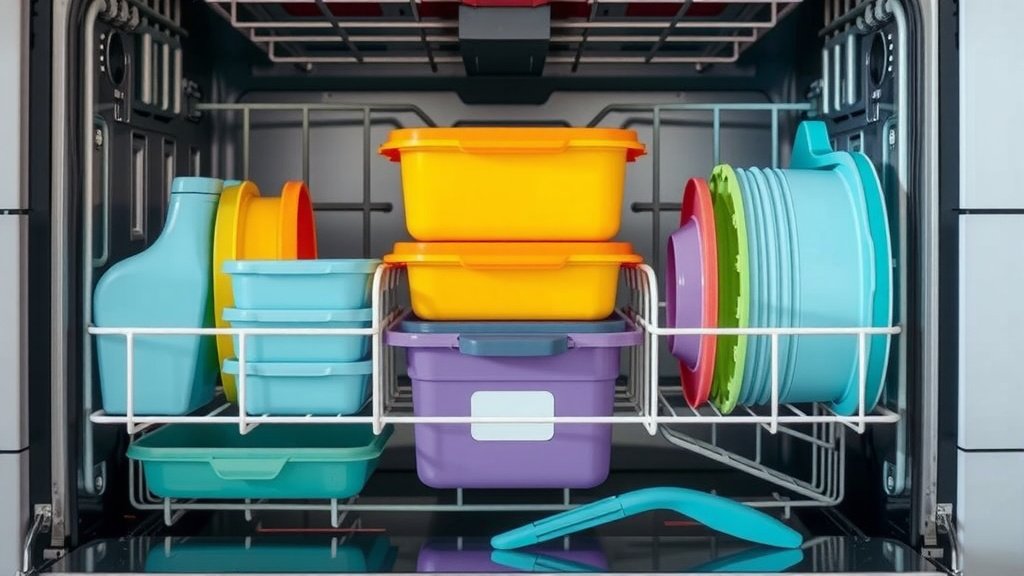
This is where the magic happens. The top rack of your dishwasher is the ideal spot for most of your plastic food containers. Why the top? It’s cooler up there!
Why the Top Rack?
The heating element in most dishwashers is located at the bottom. Placing plastic items too close to this can cause them to melt or warp. The top rack keeps them safely away from the direct heat. This ensures your containers maintain their shape.
How to Position Containers on the Top Rack
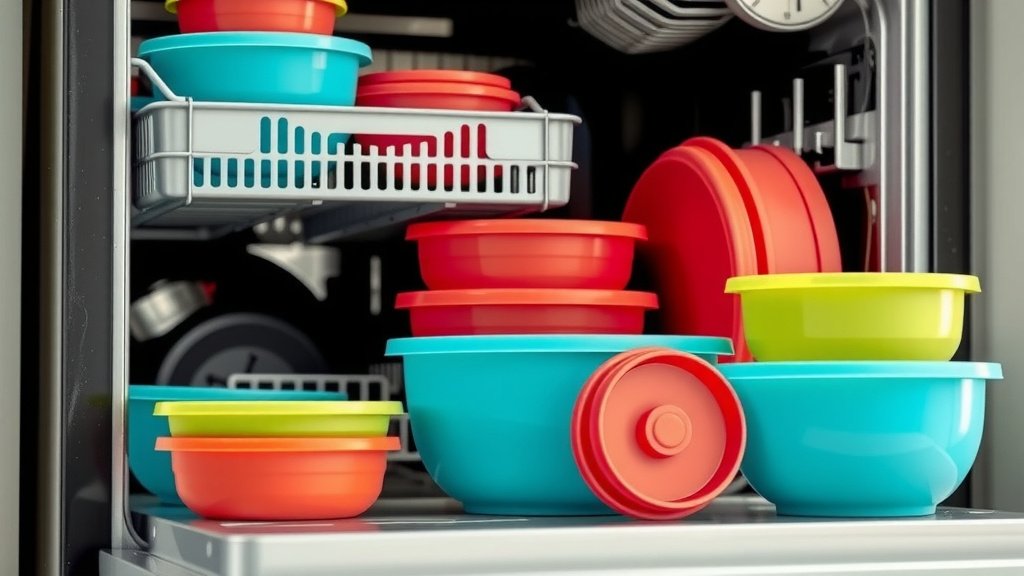
Place containers with the open side facing down. This allows water to fill them and then drain out. If they are sideways, water can pool inside, leading to less clean results. Think of them as upside-down cups.
Avoid Blocking the Water Sprays
Make sure your Tupperware isn’t packed too tightly. Items should not touch each other. They also shouldn’t obstruct the spinning spray arms. If they block the water, they won’t get properly clean.
Lids and Smaller Items
Lids can often be washed on the top rack too. You might need to secure them so they don’t flip over. Some people find placing them between tines of the rack works well. Smaller containers might fit securely near the front.
What About the Bottom Rack?
Generally, you want to avoid the bottom rack for plastic. However, there are exceptions, and understanding them can help you maximize your dishwasher’s capacity.
When the Bottom Rack Might Be Okay
If you have very sturdy, thick plastic containers, they *might* tolerate the bottom rack for a wash. However, we found this is risky. It’s safer to reserve the bottom rack for heavier, dishwasher-safe items like glass dishes or metal pots. If your dishwasher has a special “plastic” cycle, this might change things, but usually, the top rack is the rule.
Heavier Items vs. Lightweight Plastic
Heavy glass jars or ceramic bowls won’t be damaged by the heat on the bottom. Lightweight plastic can easily get blown around by the water jets on the lower rack. They could even end up near the heating element. This can lead to serious damage.
Loading Different Types of Tupperware
Not all Tupperware is the same. Some items require a little extra thought during loading.
Vented Lids and Containers
If your containers have vents, open them. This allows water to flow through properly. Ensure these are also facing downwards on the top rack.
Separating Stains and Odors
For stubborn stains or lingering odors, pre-treating might be necessary. A soak in warm, soapy water before loading can help. We found that vinegar or baking soda can also be effective pre-treatments for odors.
A Quick Checklist for Perfect Tupperware Washing
Here’s a simple list to remember when loading your Tupperware:
- Check for the symbol: Ensure items are dishwasher-safe.
- Scrape and rinse: Remove large food bits.
- Top rack: Place most plastic containers here.
- Upside down: Position containers to allow drainage.
- Don’t overcrowd: Give items space for water to circulate.
- Secure lids: Prevent them from flipping over.
Maximizing Your Dishwasher’s Space
Getting all your dishes clean at once is a win. Here’s how to fit more in, smartly.
Interspersing Items
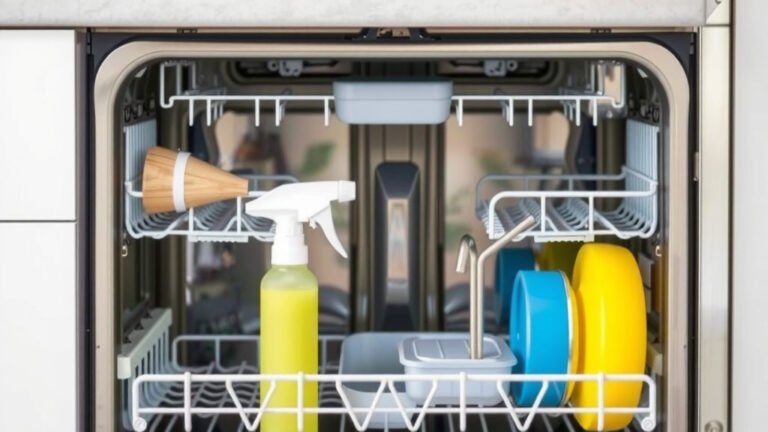
Don’t just fill the top rack with plastic. Mix your Tupperware with glasses, mugs, and small bowls. This helps hold containers in place and uses the space efficiently. Just be mindful of what touches what.
Placing Items Strategically
Put larger plastic items towards the sides of the top rack. Smaller items can go in the middle. This arrangement often works well. It keeps everything stable during the wash cycle.
The Role of Your Dishwasher’s Detergent
The right detergent helps your Tupperware get clean. Follow the manufacturer’s recommendations for your dishwasher. Using the correct amount is important. Too much or too little can affect cleaning performance.
Detergent Pods vs. Powder vs. Gel
Many experts suggest that detergent pods offer a convenient and effective clean for most loads. Powder and gel detergents are also good options. Ensure the detergent compartment is not blocked by any dishes.
Conclusion
You’ve learned the essentials for getting your Tupperware sparkling clean in the dishwasher. Remember to always check for that dishwasher-safe symbol and prioritize the top rack to avoid melting. Proper rinsing and strategic placement, with containers facing down, are your best allies. By following these simple steps, you’ll protect your food containers from damage and ensure they last much longer. Your next step is to apply these tips the very next time you load your dishwasher!
Frequently Asked Questions
Can I put Tupperware lids in the dishwasher?
Yes, most Tupperware lids are dishwasher-safe and can be placed on the top rack. It’s best to position them securely so they don’t flip over and fill with water. Placing them between the rack tines often works well.
What if my Tupperware has tomato sauce stains?
For stubborn stains like tomato sauce, a quick pre-soak can help before loading. You can try soaking the container in warm, soapy water for about 15-30 minutes. Some people find a paste of baking soda and water effective for scrubbing stains.
Will the top rack really prevent warping?
Yes, the top rack is generally cooler than the bottom rack, where most dishwashers have their heating elements. Keeping your plastic containers away from direct heat significantly reduces the risk of them warping or melting.
How do I know if my dishwasher is too hot for plastic?
Most dishwashers have a “heated dry” option which increases the temperature. If your Tupperware consistently warps or melts, try disabling the heated dry cycle or always using the top rack. Always check your Tupperware for the dishwasher-safe symbol first.
Can I put my reusable silicone food bags in the dishwasher?
Generally, yes. Most silicone food storage bags are designed to be dishwasher-safe. You can usually place them on the top rack, spread out so water can circulate freely. Check the manufacturer’s instructions for your specific brand.