Dishwasher Standing Water: Causes and Fixes You Need
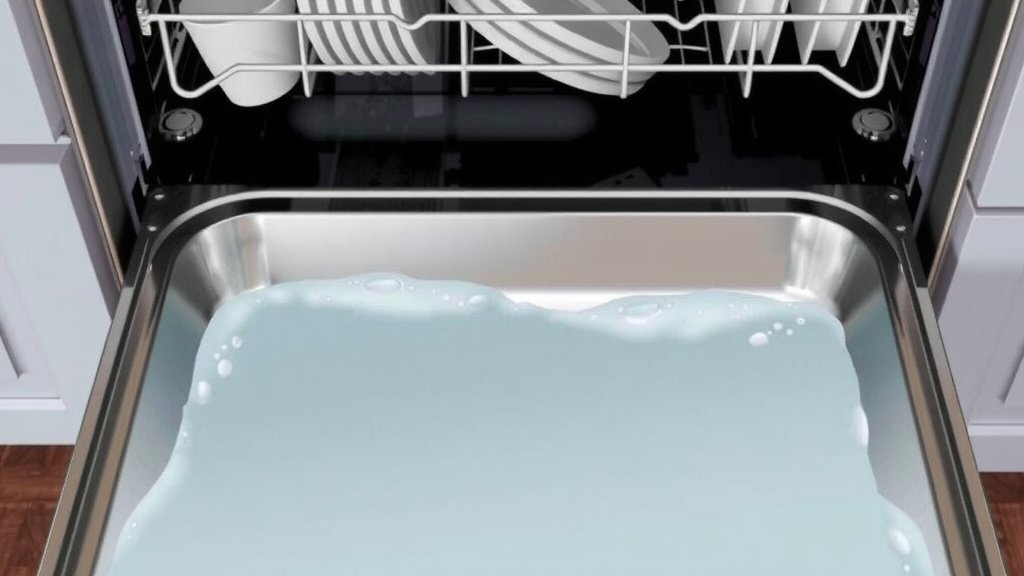
Seeing standing water at the bottom of your dishwasher is usually a sign of a clogged filter or drain hose. Don’t panic! This is a common dishwasher issue that you can often fix yourself. It means something is preventing the water from draining out properly after a cycle.
While a bit of water is normal, a persistent puddle suggests a problem. Ignoring it could lead to lingering odors or even water damage. We found that many homeowners can resolve this with a few simple checks and cleanings.
- Standing water often means a clog.
- Check your filter and drain hose first.
- A simple cleaning usually solves the issue.
- Don’t ignore the problem for too long.
Let’s walk through the most common reasons for this, and how you can get your dishwasher draining like new again.
What’s Causing That Puddle in Your Dishwasher?
Seeing a pool of water lingering at the bottom of your dishwasher after a cycle can be a bit unsettling. You might be wondering, “Is my dishwasher broken?” Not usually! In most cases, it’s a straightforward issue that you can fix yourself. We found that understanding the common culprits is the first step to getting your dishes sparkling clean again.
Troubleshooting Common Dishwasher Drainage Problems
When water won’t drain, it’s usually because something is blocking its path. Think of it like a clogged sink; the water has nowhere to go. We’ve identified the top reasons this happens, starting with the easiest fixes.
Check the Dishwasher Filter
Your dishwasher has a filter designed to catch food particles. If this filter gets clogged, it can prevent water from draining. Many experts say this is the most common reason for standing water. It’s usually located at the bottom of the dishwasher tub.
Locating and Removing Your Filter
Most filters are a simple twist-and-pull mechanism. Open your dishwasher door and look at the very bottom, where the spray arms are. You’ll likely see a cylindrical or flat filter. Carefully twist it counter-clockwise and lift it out. Some models may have a secondary mesh screen as well. Check your owner’s manual if you’re unsure.
Cleaning the Filter
Once removed, take the filter to your sink. Use a soft brush (an old toothbrush works great!) and some warm, soapy water to scrub away any food debris. Rinse it thoroughly. We found that a clean filter is essential for proper draining. Make sure to replace it correctly before running the dishwasher again.
Inspect the Drain Hose
The drain hose carries water from your dishwasher to your home’s plumbing. This hose can become kinked or clogged with debris over time. A kink is like a sharp bend that squeezes the hose shut.
Checking for Kinks and Clogs
You might need to pull your dishwasher out slightly to access the drain hose. Look for any sharp bends or kinks. Gently straighten them out. If the hose seems clear of kinks, the blockage might be inside. You can try disconnecting the hose (at both ends, if possible) and flushing it with water. Be prepared for some water to come out! Many guides suggest using a plumber’s snake for stubborn clogs, but a thorough flush is often enough.
Examine the Garbage Disposal Connection (if applicable)
Many dishwashers drain into the garbage disposal. If your garbage disposal is clogged or if the knockout plug wasn’t removed when it was installed, this can block dishwasher drainage. We found that this is a frequent culprit in newer installations.
Clearing a Garbage Disposal Blockage
First, run your garbage disposal thoroughly to clear any food waste. If you recently installed the disposal or dishwasher, check if the knockout plug inside the disposal’s dishwasher inlet was removed. If not, you’ll need to carefully remove it with a screwdriver and hammer, then reattach the hose. Consult your disposal’s manual or a professional if you’re uncomfortable with this step.
When Simple Fixes Don’t Work
If you’ve cleaned the filter and checked the drain hose, but water still stands, there might be other issues. These can be a bit more involved but are still often manageable.
The Drain Pump and Impeller
The drain pump is what forces water out of the dishwasher. Inside the pump is an impeller, like a small propeller, that moves the water. If the impeller is blocked by a piece of glass or a large food particle, it can’t pump effectively. This is another common point of failure that can lead to standing water.
Accessing and Inspecting the Impeller
Accessing the impeller usually involves removing the lower spray arm and the filter assembly. You might then see a small cap or housing around the pump. Remove this carefully. You should be able to see the impeller. Check for any obstructions. Gently try to turn it; it should move freely. If you find something blocking it, carefully remove it.
Air Gap or Air Admittance Valve Issues
Some plumbing setups include an air gap or an air admittance valve to prevent wastewater from siphoning back into the dishwasher. These can become clogged over time, just like any other part of your drainage system.
Cleaning the Air Gap/Valve
The air gap is usually a small cylindrical fixture on your sink or countertop. Remove the decorative cover and clean out any debris. If you have an air admittance valve (often under the sink), it might need to be unscrewed and cleaned. Check your dishwasher’s installation guide or plumbing diagrams for its exact location and how to clean it.
Preventing Future Drainage Problems
A little bit of preventive maintenance can save you a lot of headaches down the road. We found that simple habits make a big difference.
Rinse Dishes Before Loading
Scrape off large food scraps before putting dishes in the dishwasher. You don’t need to rinse them completely, but removing chunky bits prevents them from reaching and clogging the filter or drain hose. Think of it as giving your dishwasher a head start.
Regular Filter Cleaning
Make it a habit to clean your dishwasher filter at least once a month. This is the easiest way to prevent clogs. Set a reminder on your phone or calendar. This simple task can save you from dealing with standing water.
Run Hot Water Before Starting
Before you start the dishwasher, run the hot water at your kitchen sink for a minute. This ensures that the dishwasher fills with hot water right away, which helps to melt away grease and prevent it from solidifying in the drain line. This tip comes from many appliance repair professionals.
Scheduled Deep Cleaning
Periodically run an empty cycle with a dishwasher cleaner or a cup of white vinegar on the top rack. This helps to break down any grease and grime buildup in the internal parts and hoses. Aim to do this every few months.
Your Dishwasher Drainage Checklist
Here’s a quick rundown to get your dishwasher draining properly:
- Check and clean the dishwasher filter.
- Inspect the drain hose for kinks or clogs.
- Ensure the garbage disposal connection is clear (if applicable).
- Examine the drain pump impeller for obstructions.
- Clean any air gap or air admittance valve.
- Scrape dishes before loading to prevent large debris.
Conclusion
Seeing standing water in your dishwasher doesn’t have to be a cause for alarm. You’ve learned that most issues stem from simple clogs in your filter or drain hose. By following our checklist, you can often fix the problem yourself. Remember to give your filter a regular clean and scrape those dishes before loading.
Don’t let a little water get you down. Take a look at your filter and hose first. If the problem persists, work through the other checks. You’ve got this!
Frequently Asked Questions
How often should I clean my dishwasher filter?
We recommend cleaning your dishwasher filter at least once a month. This simple habit is your best defense against clogs and the standing water they cause. It takes just a few minutes and can save you a lot of hassle.
Can a clogged garbage disposal cause my dishwasher to back up?
Yes, absolutely. If your dishwasher drains into your garbage disposal, a clogged disposal will prevent the dishwasher water from draining. Make sure to run your disposal regularly and check if the knockout plug was removed during installation if you recently had one installed.
What’s the difference between a kink and a clog in the drain hose?
A kink in the drain hose is a physical bend that squeezes the hose shut, blocking water flow. A clog is a blockage of debris inside the hose, preventing water from passing through. You can usually fix kinks by straightening the hose, while clogs may require flushing or clearing.
Is it safe to put my dishwasher cleaner directly into the tub?
While some cleaners can be poured into the bottom of the tub, it’s often best to follow the product’s instructions. Many dishwasher cleaners are designed to be placed on the top rack. This ensures they are released gradually during the cycle for a more effective deep clean.
My dishwasher still has water after cleaning the filter. What else could it be?
If cleaning the filter and checking the hose didn’t resolve the issue, the problem might be with the drain pump or the impeller. Inspect the impeller for any obstructions like glass shards or large food particles. You might also want to check your air gap or air admittance valve for blockages.