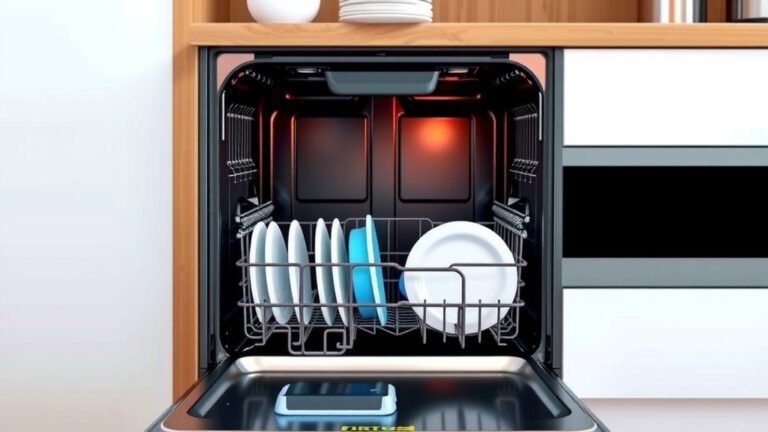
Dishwasher Float Switch: What It Is & How It Works
The dishwasher float switch is a safety device that stops your dishwasher from overflowing. It works by sensing the water level. When the water gets too high, the float rises and tells the dishwasher to stop filling.
This simple but important part prevents messy water damage in your kitchen. Many dishwasher problems, like water not draining or the machine overfilling, can be linked to a malfunctioning float switch. It’s a small component with a big job.
- What is a dishwasher float switch?
- How does it work to prevent floods?
- Common signs of a faulty float switch.
- Can you fix a float switch yourself?
Let’s get into the nitty-gritty of your dishwasher’s float switch. We’ll cover what it does and why it’s so important for your appliance’s health.
Understanding Your Dishwasher’s Water Level Guardian
Think of your dishwasher float switch as the tiny bodyguard against kitchen floods. It’s a clever little gadget designed to be your appliance’s first line of defense. When water fills your dishwasher tub, this switch knows exactly when to say “enough is enough!”
How the Float Switch Keeps Water In Its Place
The magic behind the float switch is simple physics. It’s usually a small plastic or Styrofoam float attached to a lever. This float sits in a small chamber within the dishwasher tub. As water enters the tub, it also fills this chamber, causing the float to rise.
Imagine a toilet tank float. As the water level goes up, the float rises with it. When the float reaches a certain height, it pushes against a small switch mechanism. This switch then signals the dishwasher’s control panel. The panel, understanding its cue, shuts off the water inlet valve. This stops more water from entering the machine.
The Mechanics in Action
It’s a straightforward process, really. When the water level reaches the predetermined point, the float is lifted high enough to activate a tiny internal switch. This switch completes an electrical circuit. That circuit tells the dishwasher’s brain, the electronic control board, that the tub is full. It’s a bit like a light switch that only flips when it’s pushed up far enough.
Why This Little Switch Is a Big Deal
You might be wondering why such a small part warrants attention. Well, a malfunctioning float switch can lead to some seriously messy problems. If it fails to signal the dishwasher to stop filling, the water will just keep coming. This can cause your dishwasher to overflow, leading to puddles on your kitchen floor.
Water damage can be costly and a real headache to deal with. Mold can start to grow, floors can warp, and cabinets can be ruined. The float switch is your quiet protector against these potential disasters. Its job is to prevent your dishwasher from turning into a miniature indoor swimming pool. We found that even minor leaks can escalate quickly without a working overflow protection system (Consumer Reports).
Spotting a Trouble-Making Float Switch
So, how do you know if your float switch is the culprit behind your dishwasher’s woes? There are a few tell-tale signs to look out for. If you notice any of these, it might be time to investigate your float switch.
Signs Your Float Switch Might Be Failing
- Dishwasher Overfilling: This is the most obvious sign. If water is spilling over the top of the dishwasher tub during a cycle, your float switch is likely not doing its job.
- Dishwasher Not Filling Enough: Conversely, if your dishwasher isn’t filling with enough water, the float switch might be stuck in a position that signals “full” even when it’s not. This can lead to dirty dishes. If your dishwasher isn’t filling enough, the float switch might be stuck, preventing proper water intake.
- The Machine Stops Mid-Cycle: Sometimes, a faulty float switch can send erratic signals. This might cause your dishwasher to stop unexpectedly during a wash cycle.
- Unusual Noises: While less common, a stuck float switch might cause the water inlet valve to repeatedly try to fill, leading to some strange gurgling or buzzing sounds.
Troubleshooting the Signs
When you see these symptoms, your first instinct might be to panic. But take a deep breath! We’ve found that many dishwasher issues are surprisingly straightforward to diagnose. For an overflowing dishwasher, visually check the float. Is it stuck down? Is it obstructed by debris? If it’s not moving freely, that’s a strong indicator.
If the dishwasher isn’t filling, check if the float can move up and down easily. Sometimes, food particles or mineral buildup can get lodged around the float mechanism, preventing it from dropping. Gently cleaning the area can often resolve this. Many appliance repair guides suggest this as a first step (Appliance Repair Technician Forum).

Can You Tackle a Float Switch Repair Yourself?
The good news is that many float switch issues are DIY-friendly. If you’re comfortable with basic appliance maintenance, you might be able to fix it yourself. This can save you the cost of a service call.
Steps to Inspect and Potentially Fix Your Float Switch
Before you start, always remember to disconnect the power to your dishwasher. Safety first! You don’t want any accidental shocks.
- Locate the Float Switch: It’s usually found at the bottom of the dishwasher tub, often in a small cup or housing.
- Check for Obstructions: Carefully examine the float and its housing. Remove any food debris, mineral deposits, or foreign objects that might be preventing the float from moving freely.
- Test the Float’s Movement: Gently try to push the float up and down. It should move smoothly without sticking. If it feels loose, wobbly, or stuck, this is a sign it might be damaged.
- Inspect the Switch Mechanism: If the float moves freely but the problem persists, you may need to check the switch itself. This often involves removing the float assembly to get a closer look. You might see a small plastic arm that connects to a switch.
- Consider Replacement: If the float arm is broken, the switch is damaged, or the float itself is cracked (especially if it’s a hollow type that has taken on water), you’ll likely need to replace the entire float switch assembly.
Replacement parts are generally inexpensive and can be found online or at appliance parts stores. You’ll need to know your dishwasher’s model number to ensure you get the correct part. We found that online tutorials for specific models can be incredibly helpful for this step.
When to Call a Professional
While many float switch issues are simple fixes, there are times when it’s best to call in an expert. If you’re not comfortable working with appliance components, or if the problem seems more complex, don’t hesitate to reach out to a qualified technician.
For instance, if you suspect an electrical issue with the switch itself, or if the problem persists after you’ve cleaned or replaced the float switch, it might indicate a deeper problem with your dishwasher’s control board or water inlet valve. In these situations, professional diagnosis is the safest bet. Sometimes, just having a pro take a quick look can save you a lot of time and potential headaches.
Conclusion
Your dishwasher’s float switch is a small but mighty guardian against water chaos. Understanding how it works and recognizing the signs of a malfunction puts you in control. We’ve seen that a stuck float or debris can easily lead to overfilling or incomplete cycles. Remember, checking and cleaning the float is often a simple DIY fix you can do yourself. If you’re ever unsure or the problem seems more serious, don’t hesitate to call a professional. Taking these steps will help keep your kitchen dry and your dishwasher running smoothly for years to come.
Frequently Asked Questions
What happens if the float switch breaks completely?
If your float switch breaks completely, your dishwasher will likely lose its ability to sense the water level. This almost always leads to the machine overfilling and potentially causing a flood in your kitchen. You might notice water spilling out even when the cycle appears to be finished.
Can a dirty float switch cause my dishwasher not to start?
Yes, a dirty float switch can sometimes prevent your dishwasher from starting. If debris prevents the float from moving down to its resting position, the dishwasher might think the tub is already full. This can trigger a safety mechanism that stops the cycle from beginning or continuing. Yes, a dirty float switch can sometimes prevent your dishwasher from starting.
How often should I check my dishwasher’s float switch?
We recommend checking your float switch at least once or twice a year. It’s also a good idea to inspect it if you notice any unusual water levels or if your dishwasher starts acting strangely. Regular, simple maintenance can prevent bigger issues down the road.
Is it safe to run my dishwasher if the float switch is acting up?
It’s generally not safe to run your dishwasher if you suspect a faulty float switch, especially if it’s causing overfilling. The risk of a kitchen flood and water damage is high. It’s best to investigate the float switch first before running another cycle.
My float looks fine, but my dishwasher is still overfilling. What else could it be?
If the float itself moves freely and appears undamaged, the issue might be with the water inlet valve or the dishwasher’s electronic control board. These components tell the water to stop filling. A malfunction in either could cause overfilling even if the float switch is working correctly.