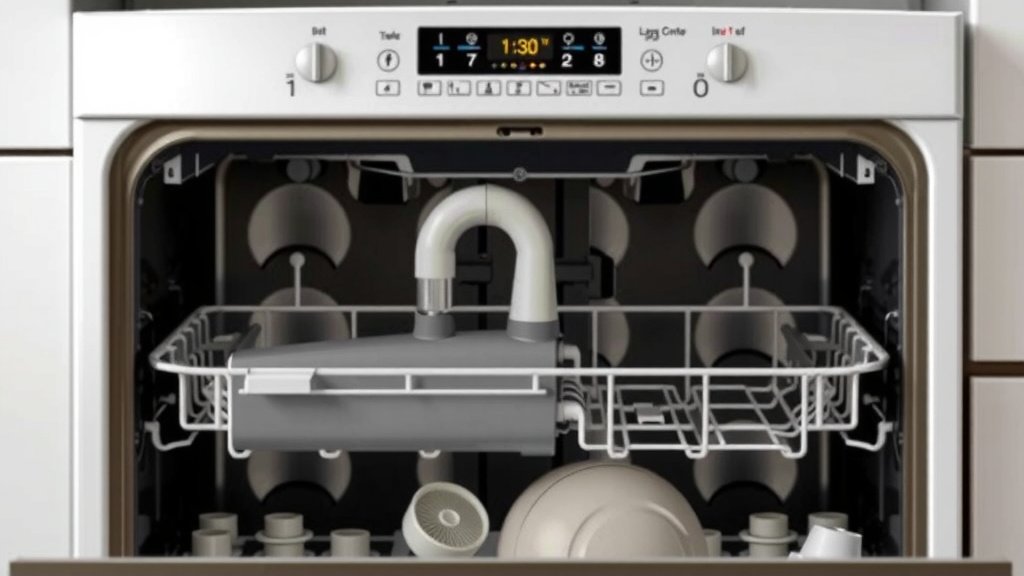
Dishwasher Drain Pump Function Explained
A dishwasher drain pump’s function is simple: it’s the hardworking component that pushes dirty water out of your dishwasher and into your home’s drain system. When your dishwasher cycle finishes, this pump kicks into action, ensuring your dishes are clean and your machine is ready for its next wash. Without a working drain pump, you’d have a sink full of dirty water left behind.
Think of the drain pump as your dishwasher’s unsung hero. It works hard behind the scenes, dealing with food particles and grease. Many users overlook its importance until it stops working, leading to messy backups. Understanding its role can help you troubleshoot common dishwasher problems and keep your appliance running smoothly.
- The drain pump removes dirty water.
- It connects your dishwasher to your home’s drain.
- A functioning pump prevents standing water.
- It’s essential for a clean wash cycle.
Let’s dive into how your dishwasher’s drain pump works and what to do if you suspect an issue with it.
You’ve finished a load of dishes, eager to put them away. But then you open the door, and… nope. Standing water. What gives? Chances are, your dishwasher’s drain pump isn’t doing its job. This little workhorse is the unsung hero responsible for getting all that dirty water out of your machine and into your home’s plumbing. Let’s break down exactly what it does and why it’s so important for sparkling clean dishes.
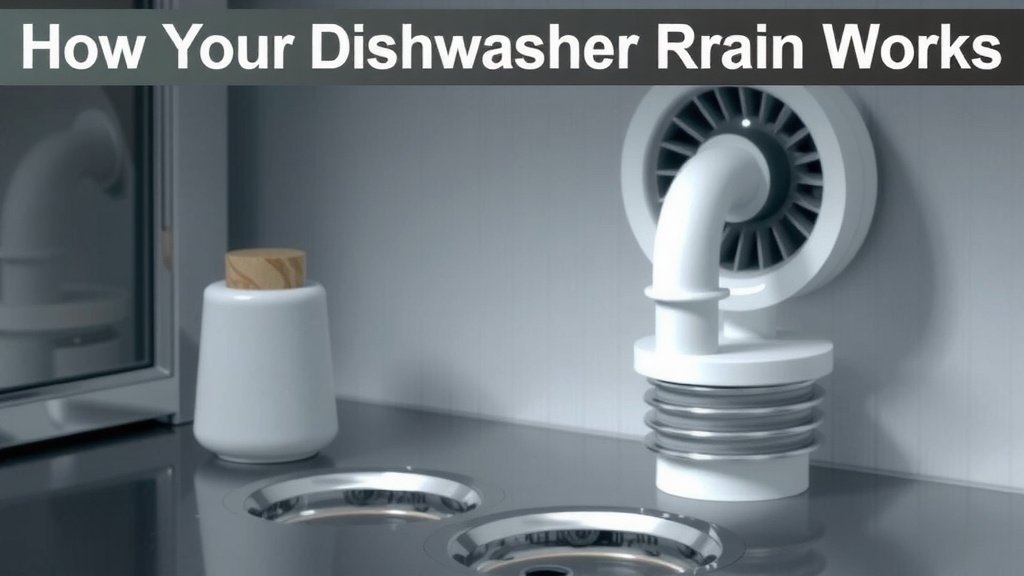
How Your Dishwasher Drain Pump Works
The drain pump’s primary job is to expel dirty water from your dishwasher. It’s like the dishwasher’s internal plumbing supervisor. After the wash and rinse cycles, this pump activates to push the wastewater out, making way for fresh water in the next stage or signaling the end of the cycle.
The Drain Cycle Explained
When your dishwasher reaches the drain phase, a signal is sent to the drain pump. This pump, often a small motor with an impeller (think a tiny propeller), starts spinning. It forces the water through a hose that connects to your home’s plumbing system. This hose usually connects to your kitchen sink’s drain pipe or garbage disposal.
Where Does the Water Go?
The dirty water from your dishwasher doesn’t just disappear. It’s pushed through the drain hose and into your wastewater system. For most homes, this means it flows into the same pipes that carry water from your sink and other fixtures. It’s a vital connection to prevent water from backing up inside your appliance.
Components of a Drain Pump System
A typical dishwasher drain pump system involves a few key parts. There’s the pump motor itself, which provides the power. Then there’s the impeller, which actually moves the water. A rubber seal prevents leaks, and the housing keeps everything together. The drain hose connects the pump to your home’s plumbing.
Many pumps are designed to handle small food particles. However, they aren’t meant to process large debris. That’s why scraping your dishes is still a good idea. Research suggests that larger items can cause blockages, leading to pump failure (Whirlpool Corporation).
Why Your Dishwasher Drain Pump is Essential
Without a properly functioning drain pump, your dishwasher simply can’t complete its cycle effectively. It’s a foundational component for clean dishes. Imagine trying to wash clothes in dirty water repeatedly – it just doesn’t work! The drain pump ensures a fresh start for each wash and rinse.
Preventing Standing Water and Odors
One of the most immediate signs of a failing drain pump is standing water left in the bottom of your dishwasher tub after a cycle. This water isn’t just unsightly; it can quickly become a breeding ground for bacteria and mold. This can lead to unpleasant odors developing in your kitchen. Keeping the tub dry is key to hygiene.
Ensuring Optimal Cleaning Performance
The drain pump plays a role in the entire cleaning process. After the main wash, dirty water must be removed. If it’s not, the rinse cycles won’t be as effective. Food particles and grease can be redeposited onto your dishes. Experts at the Good Housekeeping Institute often highlight proper draining as critical for removing detergent residue and food bits effectively.
Protecting Your Appliance
When water sits in the dishwasher for extended periods, it can lead to corrosion and damage to internal components. The pump itself, if struggling to push water, can overheat. This puts stress on the motor. A well-functioning pump helps maintain the overall health of your appliance and can prevent more costly repairs down the line.
Common Issues and Troubleshooting Your Drain Pump
Sometimes, the drain pump just needs a little attention. Many issues aren’t major malfunctions but rather simple blockages or connections that have come loose. Being able to identify potential problems can save you time and money.
Signs Your Drain Pump Might Be Failing
Beyond the obvious standing water, what else should you look for? You might hear unusual noises Beyond the obvious standing water, you might hear unusual noises during the drain cycle, like humming or grinding, which can indicate a problem. during the drain cycle, like humming or grinding, which can indicate a blockage or a worn-out motor. Your dishwasher might also stop mid-cycle with an error code related to draining. A cycle taking much longer than usual could also be a sign.
What to Check First (DIY Friendly Steps)
Before calling a technician, you can often check a few things yourself. First, ensure the drain hose isn’t kinked. A simple bend can prevent water from flowing out. Next, check the air gap or disposal connection. If you have an air gap on your sink, make sure it’s clean. If your hose connects to the garbage disposal, run the disposal briefly to clear any debris that might be backing up the line.
Cleaning the Pump Filter
Many dishwashers have a filter near the bottom of the tub that catches larger food particles. This filter can become clogged, preventing water from reaching the pump. We found that cleaning this filter monthly can prevent many draining issues (Consumer Reports). Consult your owner’s manual for its exact location and cleaning instructions. It’s usually a simple twist-and-pull mechanism. Many dishwashers have a filter near the bottom of the tub that catches larger food particles, which can clog the pump filter.
| Problem | Possible Cause | DIY Fix |
|---|---|---|
| Standing Water | Clogged pump filter, kinked drain hose, blockage in plumbing | Clean filter, check hose, run garbage disposal |
| Unusual Noises (Grinding/Humming) | Debris in pump impeller, worn-out motor | Check for debris after removing filter, listen for motor sound |
| Dishwasher Stops Mid-Cycle | Drain pump failure, control board issue | Check for error codes, verify power to pump |
When to Call a Professional
If you’ve checked the filter, hose, and plumbing connection and are still experiencing draining problems, it might be time to call a repair service. A faulty drain pump motor or a more serious blockage within the appliance itself often requires professional attention. A qualified technician can diagnose the issue accurately and perform the necessary repairs safely.
Here’s a quick checklist to help you remember the basic maintenance steps:
- Scrape excess food off dishes before loading.
- Clean your dishwasher’s pump filter regularly.
- Ensure the drain hose is not kinked or bent.
- Check and clear your garbage disposal if connected.
- Listen for unusual noises during the drain cycle.
- Don’t ignore error codes related to draining.
Conclusion
You’ve learned that your dishwasher drain pump is a small but mighty component. It’s responsible for removing dirty water, which is essential for clean dishes and a hygienic kitchen. We’ve covered how it works, why it’s vital, and common troubleshooting steps. A clean filter and un-kinked hose are easy checks you can perform. Don’t ignore warning signs like standing water or strange noises. For many users, simple maintenance can prevent bigger problems. If you’ve tried the basic fixes and still have issues, it’s wise to call a professional. Keep your drain pump happy for a consistently clean dishwasher!
Frequently Asked Questions
What does it mean if my dishwasher makes a humming noise when it should be draining?
A humming noise often indicates the drain pump motor is trying to work but is blocked. Debris, like a piece of glass or a large food particle, might be preventing the impeller from spinning freely. You should check and clear the pump filter and impeller area if possible.
Can a clogged garbage disposal affect my dishwasher draining?
Yes, absolutely. If your dishwasher drains into the garbage disposal, a clogged disposal will prevent water from leaving the dishwasher. Running your garbage disposal regularly and clearing any blockages can resolve this common draining issue.
How often should I clean my dishwasher’s drain pump filter?
We found that cleaning the filter about once a month is a good general guideline for most households. If you tend to put heavily soiled dishes in without scraping, you might need to check it more frequently. Refer to your owner’s manual for specific instructions.
Is it normal for a little water to remain at the bottom of my dishwasher?
It’s normal for a very small amount of water, maybe a tablespoon or two, to remain after a cycle. This small amount usually evaporates. However, if you see a visible pool of water, it indicates a draining problem that needs attention.
My dishwasher is draining slowly, what could be the cause?
Slow draining is often a sign of a partial blockage. This could be a clogged pump filter, a kink in the drain hose, or buildup in the plumbing connection point, such as the air gap or garbage disposal. Start by checking these accessible areas.