
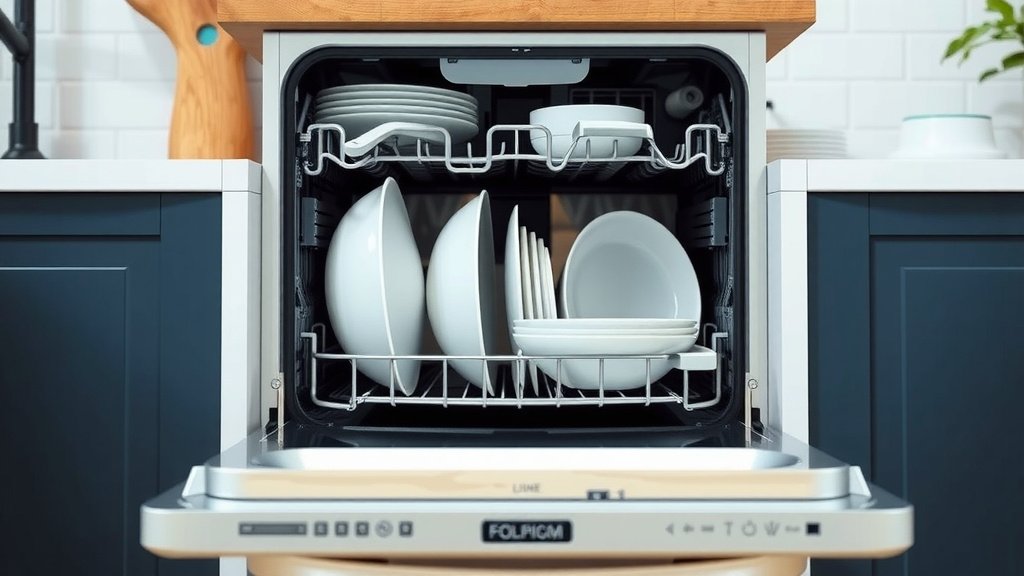
Dishwasher Cycle Explained: Your Guide to Cleaner Dishes
Understanding your dishwasher’s cycles is key to getting sparkling dishes every time. A typical dishwasher cycle involves several stages: pre-wash, main wash, rinse, and drying. Each part works together to remove food particles and sanitize your plates and cutlery. Knowing these steps can help you choose the Understanding your dishwasher’s cycles is key to getting sparkling dishes every time. Our guide explains what a dishwasher cycle is.right cycle for different loads and tackle tough messes more effectively.
Dishwashers offer a range of settings beyond the standard cycle. You might see options like “heavy,” “light,” “quick,” or “eco.” These are designed to optimize water and energy use while ensuring cleanliness. Many modern machines also include specialized cycles for things like delicate glassware or heavily soiled pots. Choosing wisely means cleaner dishes with less effort.
- Dishwasher cycles have distinct stages for cleaning.
- These include pre-wash, main wash, rinse, and drying.
- Different cycles cater to various levels of dirt and dish types.
- Using the correct cycle saves water and energy.
- Understanding cycles improves your dishwashing results.
Ready to decode those buttons and get the most out of your machine? Let’s dive into what each dishwasher cycle actually does for your dishes.
“`htmlUnderstanding Your Dishwasher’s Cleaning Process
So, you’ve loaded up your dishwasher, but what’s actually happening in there? It’s more than just a bubbly bath for your plates. Your dishwasher cycle is a carefully orchestrated series of events designed to get your dishes squeaky clean. We’re going to break down each step so you can feel like a pro.
The Pre-Wash: A Quick Rinse to Start
Before the main cleaning begins, most cycles start with a short pre-wash. This is like a quick rinse to remove any loose food bits. Think of it as getting the worst of the mud off your boots before you step inside. This simple step helps prevent food from caking on and makes the main wash much more effective. Many experts agree that removing large debris first is key to preventing clogged filters.
The Main Wash: Where the Magic Happens
This is the heart of the cleaning cycle. Hot water and detergent are sprayed forcefully onto your dishes. The detergent works to break down grease and food particles. The high temperature helps to sanitize your dishes. This stage can last anywhere from 20 minutes to over an hour, depending on the cycle you choose. The goal here is to lift and wash away stubborn grime.
How Detergent Works
Dishwasher detergents are different from hand-washing soaps. They are much more alkaline. This alkalinity helps to cut through grease and baked-on food. They also contain enzymes. These enzymes specifically target and break down food stains like protein and starch. It’s a chemical reaction working hard for you.
The Rinse Cycles: Washing Away the Soap
After the main wash, your dishwasher will go through one or more rinse cycles. These cycles use clean hot water to wash away the detergent and any remaining food soil. A final rinse often includes a rinse aid. Rinse aid helps water sheet off your dishes. This reduces water spots and speeds up drying. We’ve all seen those annoying water spots, right? Rinse aid is your friend.
The Role of Rinse Aid
Rinse aid is a surfactant. It lowers the surface tension of water. This allows water to spread out more thinly and run off surfaces easily. It’s especially helpful for plastics, which tend to hold onto water. Using rinse aid can make a big difference in the final look of your clean dishes. Many appliance manufacturers recommend its use for optimal results (Whirlpool).
Drying Your Dishes: From Wet to Ready
Once the rinsing is done, it’s time to dry. Dishwashers use a few different methods for this. Some use a heating element at the bottom of the tub. Others use a fan to circulate air. Many newer models use a condensation drying method. This is where the hot rinse water helps evaporate moisture. The cooler tub walls then collect the water droplets. This method is often more energy-efficient than using a heating element.
Common Dishwasher Cycles and What They’re For
Beyond the basic stages, your dishwasher likely has several cycle options. These are designed to handle different types of loads and soil levels. Understanding these can help you get the best clean while saving time and resources.
Normal/Auto Cycle
This is your go-to for everyday use. It’s designed for a typical load of dishes with average food soil. The machine often uses sensors to determine the optimal water usage and cycle time. It’s a good balance between cleaning power and efficiency. For most households, this cycle will be used most often.
Heavy/Pots & Pans Cycle
Got some seriously dirty dishes? This cycle is your warrior. It uses higher water temperatures and longer wash times. It’s perfect for baked-on food, grease, and heavily soiled pots and pans. Be mindful, though, as it uses more water and energy. It’s not ideal for delicate items. This cycle is perfect for baked-on food, grease, and heavily soiled pots and pans. Our guide explains the heavy cycle.
Light/Express/Quick Cycle
This cycle is for lightly soiled dishes or when you’re in a hurry. It uses less water and a shorter wash time. It’s great for rinsing off plates from a light meal or when you need dishes washed fast for a party. However, it may not tackle tough, dried-on food effectively. Some experts suggest this cycle is best for items that don’t need heavy scrubbing (Consumer Reports).
Eco/Energy-Saving Cycle
This option prioritizes saving water and energy. It typically uses cooler water temperatures and a longer cycle time. The longer duration allows the detergent to work effectively at lower temperatures. While it saves resources, it might not clean as thoroughly as a heavy cycle. It’s a good choice for lightly soiled loads when you have time.
Delicate/China/Glassware Cycle
This cycle is designed to be gentle. It uses lower water temperatures and less water pressure. It’s ideal for fine china, crystal, and delicate glassware. This cycle protects these items from damage while still cleaning them. Always check your manufacturer’s guide to ensure an item is dishwasher safe before using this cycle.
A Quick Comparison of Common Cycles
To help you choose, here’s a quick rundown:
| Cycle Name | Best For | Water/Energy Use | Cleaning Power |
|---|---|---|---|
| Normal/Auto | Everyday loads, average soil | Medium | Good |
| Heavy/Pots & Pans | Baked-on food, tough grease | High | Excellent |
| Light/Quick | Light soil, dishes needed fast | Low | Basic |
| Eco | Light soil, saving resources | Very Low | Fair to Good |
| Delicate | China, glassware, fragile items | Low | Gentle |
Making the Most of Your Dishwasher Cycles
Now that you know what’s happening inside, how can you ensure you’re getting the best results? It’s all about using the right cycle for the right load.
- Scrape, Don’t Rinse: Most modern dishwashers don’t need pre-rinsing. Just scrape off large food chunks.
- Load Correctly: Don’t overcrowd. Ensure spray arms can rotate freely.
- Use the Right Detergent: Always use dishwasher-specific detergent.
- Add Rinse Aid: Keep that rinse aid dispenser full.
- Match Cycle to Soil: Use heavy for tough jobs, quick for light ones.
Conclusion
You’ve learned how your dishwasher orchestrates a cleaning ballet with its pre-wash, main wash, rinse, and drying stages. Understanding these steps and matching them to cycles like Normal, Heavy, Quick, Eco, or Delicate means you can tackle any dish load with confidence. Choosing the right cycle ensures your dishes come out sparkling while saving precious water and energy. Now, put this knowledge to work for your kitchen. Start by selecting the most appropriate cycle for your next load and notice the difference!
Frequently Asked Questions
How do I know if I should scrape dishes before putting them in the dishwasher?
For most modern dishwashers, you don’t need to pre-rinse dishes. Just scrape off any large food chunks. Your dishwasher’s cycles are designed to handle typical food soil. Excessive rinsing can actually make detergent less effective.
Can I use the quick cycle for all my loads?
The quick cycle is best for lightly soiled dishes you need in a hurry. It uses less water and a shorter wash time. It may not effectively clean heavily soiled items or dried-on food.
What’s the difference between the Eco cycle and the Normal cycle?
The Eco cycle prioritizes saving water and energy. It typically uses cooler water and a longer wash time. The Normal cycle offers a balance between cleaning power and efficiency for everyday loads.
Is rinse aid really necessary?
Yes, rinse aid is highly recommended. It helps water sheet off your dishes, reducing water spots and speeding up drying. This is especially helpful for plastics, which tend to hold moisture.
When should I use the Delicate cycle?
Use the Delicate cycle for fragile items like fine china, crystal, or delicate glassware. It uses lower water temperatures and gentler spray pressure to clean these items safely without causing damage.