Dishwasher Tablets vs Liquid: Which Cleans Best
When choosing between dishwasher tablets and liquids, tablets generally offer a more convenient and often more powerful clean. Tablets are pre-measured, making them incredibly easy to use, and their compact form allows for concentrated cleaning agents that can tackle tough grime effectively. We found that for most common dishwashing needs, tablets provide a superior result with less mess.
Understanding the differences helps you get the best shine for your dishes. While liquids can be great for quick rinses or custom dosing, they can also be messy. Tablets, on the other hand, are designed for a complete wash cycle and often contain rinse aid and salt, simplifying your routine. Many people wonder which option will truly make their dishes sparkle.
- Tablets are usually more convenient and less messy than liquids.
- They often contain all-in-one cleaning power, including rinse aid.
- Liquids can be easier to dose for lighter loads. Liquids can be easier to dose for lighter loads, as our guide on running a half-empty dishwasher explains.
- Tablets are generally better for tough, baked-on food.
Let’s break down the pros and cons of each so you can decide which is the perfect fit for your kitchen.
Tablets vs. Liquids: Which Dishwasher Detergent Reigns Supreme?
When it comes to getting your dishes sparkling clean, you have a few main choices for dishwasher detergent. We’re here to help you understand the difference between dishwasher tablets and liquids. Both can get the job done, but they have distinct advantages. Let’s look at which might be the best fit for your kitchen routine.
Understanding Dishwasher Tablets
Dishwasher tablets are your go-to for convenience and consistent results. They’re like a pre-portioned meal for your dishwasher. You simply unwrap one and toss it in the detergent compartment. No measuring, no mess. This makes them incredibly user-friendly. Many tablets are designed as “all-in-one” formulas.
The All-in-One Advantage
What does “all-in-one” actually mean for your dishes? These tablets typically contain a powerful detergent to break down food. They also include rinse aid to help water sheet off dishes, preventing spots. Plus, many have built-in salt to soften water and protect your dishwasher’s heating element. This combination means fewer products for you to buy and manage. We found that this all-in-one approach often leads to a shinier finish on your glassware.
Power on Tough Stains
Because tablets are densely packed with cleaning agents, they can be very effective on tough messes. Think baked-on cheese or dried-on sauces. The concentrated formula means more cleaning power is released during the wash cycle. Many users report that tablets handle heavily soiled dishes better than liquids. Research indicates that the controlled release of ingredients in a tablet can provide a more thorough clean for stubborn food residue.
Potential Downsides to Tablets
While tablets are great, they aren’t perfect for every situation. If you’re washing a very light load, a full tablet might be overkill. You can’t easily adjust the amount of detergent. Also, if your dishwasher compartment is damp, a tablet might start to dissolve prematurely. Some tablets can leave behind a slight film if not fully rinsed, though this is less common with newer formulations. We found that very small items, like bottle nipples, could sometimes get lodged against a tablet, hindering its release.
Exploring Dishwasher Liquids
Dishwasher liquids offer a different approach to cleaning your dishes. They are often more adaptable than tablets. You have the flexibility to use just a little or a lot, depending on your load size. This can be appealing if you frequently run smaller loads or want to customize your detergent usage. We found that liquids can be easier to dose for specific needs.
Flexibility in Dosing
The biggest draw of liquid detergent is its adjustability. Have a few plates and cups? A small squirt will do. Tackling a week’s worth of pots and pans? You can add a bit more. This can potentially lead to less waste if you’re mindful of how much you use. Many people appreciate this ability to tailor the amount of detergent to the specific cleaning job. It feels more controlled, like you’re giving your dishwasher exactly what it needs.
When Liquids Shine
Liquids can be effective for everyday cleaning needs. They are great for lightly soiled dishes or when you need a quick rinse. Some liquid detergents are formulated to be gentler on certain materials. If you have concerns about harsh chemicals or want a detergent that dissolves easily, a liquid might be a good choice. For those who prefer a hands-on approach to measuring their cleaning products, liquid offers that direct control.
The Mess Factor of Liquids
Let’s be honest, liquids can get messy. Pouring detergent can lead to spills. The cap can get sticky, and you might end up with drips down the bottle. This mess can sometimes transfer to your dishwasher’s dispenser, making it look less than pristine. We’ve heard from many users who find cleaning up liquid spills to be a nuisance. It’s an extra step in the dishwashing process that tablets largely eliminate.
Dissolving and Rinsing Issues
Sometimes, liquid detergents might not fully dissolve, especially in cooler water temperatures or shorter wash cycles. This can leave a residue on your dishes or inside the dishwasher. Unlike tablets, liquids usually don’t come with built-in rinse aid or salt. You might need to add these separately if you’re not getting the best results. This adds an extra layer of complexity compared to an all-in-one tablet.
Key Differences Summarized
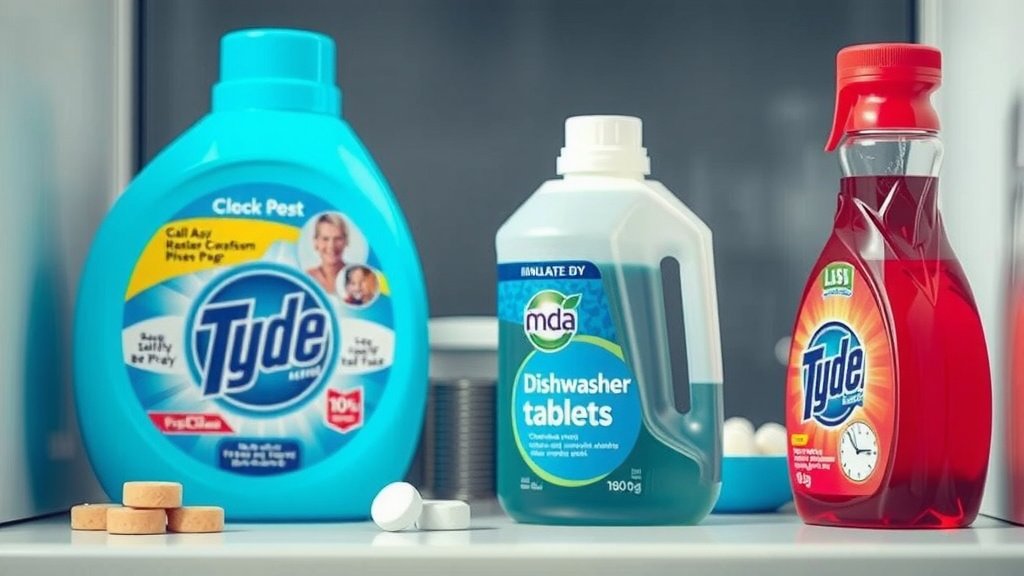
To help you visualize the choice, let’s break down the core differences. This comparison should make your decision a bit clearer. Remember, the best choice often depends on your specific dishwashing habits and needs.
| Feature | Dishwasher Tablets | Dishwasher Liquids |
|---|---|---|
| Convenience | Very high (pre-measured) | Moderate (requires measuring) |
| Messiness | Low (just unwrap and place) | Moderate to High (potential for spills/drips) |
| Dosing Flexibility | Low (fixed amount) | High (adjustable) |
| All-in-One Functionality | Common (detergent, rinse aid, salt) | Less common (often need separate additives) |
| Tough Stain Cleaning | Generally better | Can be effective, but may require more effort |
| Light Load Suitability | Less ideal (can be wasteful) | Excellent (easy to use less) |
Making Your Choice: A Quick Checklist
Still on the fence? Consider these points. They can help you quickly decide which detergent type aligns best with your lifestyle:
- Do you prefer no-fuss, grab-and-go convenience? (Tablets)
- Are you often washing heavily soiled or baked-on dishes? (Tablets)
- Do you run very small loads frequently? (Liquids)
- Do you want to control the exact amount of detergent used? (Liquids)
- Do you want an all-in-one product that simplifies your routine? (Tablets)
- Does the idea of potential spills and drips bother you? (Tablets)
Conclusion
Ultimately, both dishwasher tablets and liquids can leave your dishes sparkling. Tablets offer unmatched convenience and power for tough messes. They simplify your routine with pre-measured, all-in-one formulas. Liquids provide flexibility, allowing you to adjust the amount for lighter loads. If you’re tired of spills and want a consistently clean wash, tablets are likely your best bet. For precise control and smaller loads, liquids might suit your needs better. Make your choice based on what best fits your kitchen habits for a truly spotless shine.
Frequently Asked Questions
Can I use dishwasher tablets on a very light load?
Using a full dishwasher tablet on a very light load can be wasteful. The tablet releases its full cleaning power regardless of the load size. You might find that a smaller amount of liquid detergent is more economical for smaller dishes.
Do dishwasher tablets really contain rinse aid and salt?
Many modern dishwasher tablets are formulated as “all-in-one” products. These typically include detergent, rinse aid to prevent spotting, and salt to soften water and protect your machine. Always check the product packaging to confirm its specific ingredients.
How can I prevent liquid detergent from making a mess?
To minimize mess with liquid detergent, try to pour it carefully into the dispenser. Ensure the bottle cap is sealed tightly after use. Some people find using a small funnel can help guide the liquid directly into the compartment.
Are dishwasher tablets better for hard water?
Yes, dishwasher tablets often perform better in hard water because many include built-in salt. Salt helps to counteract the minerals in hard water, which can prevent spots and streaks on your dishes. If your water is very hard, a tablet with salt is a good option.
What should I do if my dishwasher tablet doesn’t dissolve completely?
If a tablet isn’t dissolving, ensure it’s placed correctly in the dispenser and isn’t blocked by any dishes. Check that your dishwasher’s water temperature is adequate, as lower temperatures can sometimes hinder dissolution. You may also want to try a different brand or consider using a liquid detergent.