Dishwashers: How Sanitary Are They Really
Yes, your dishwasher is likely much more sanitary than washing dishes by hand. Modern dishwashers use hot water and powerful detergents to effectively kill germs and bacteria. This is why many health organizations consider them a sanitary option for cleaning kitchenware.
While handwashing might seem thorough, it often doesn’t reach the high temperatures needed to truly sanitize. Your dishwasher’s cleaning cycle, especially with a heated dry option, creates an environment that is hostile to most common household germs. It’s a more consistent and effective way to ensure your dishes are truly clean and safe.
- Dishwashers are generally very sanitary.
- They use high heat and strong detergents.
- Handwashing often doesn’t get hot enough.
- Proper loading maximizes cleaning effectiveness.
Let’s break down just how sanitary your dishwasher really is and how you can keep it that way.
“`htmlHow Sanitary Is Your Dishwasher?
You might be wondering if your dishwasher really gets your dishes clean. The short answer is yes, it’s incredibly sanitary. Modern dishwashers are designed to go far beyond what handwashing can achieve. They use a combination of heat and powerful cleaning agents to create a hygienic environment for your dishes. We found that this automated process is a highly effective way to reduce germs.
The Power of Hot Water
One of the key reasons dishwashers are so sanitary is the high temperature of the water they use. Most dishwashers heat water to at least 140°F (60°C). This is much hotter than most people can comfortably tolerate when washing dishes by hand. Research shows that high temperatures are essential for killing bacteria and other microorganisms (CDC). This intense heat helps to break down food particles and sanitize surfaces.
Detergents: Your Germ-Fighting Allies
Beyond the heat, dishwasher detergents play a crucial role. These detergents are specially formulated to tackle tough grease and food residues. They contain enzymes and surfactants that break down grime effectively. Many also include bleaching agents to further sanitize and remove stains. We found that using the correct type and amount of detergent is key to maximizing its cleaning power.
The Heated Dry Cycle: An Extra Layer of Clean
Many dishwashers offer a heated dry option. This feature uses a heating element to dry your dishes. Not only does it leave your dishes sparkling and spot-free, but it also adds another layer of sanitization. The elevated temperature during the drying phase helps to Learn more about the heated dry option and how it contributes to sanitation.eliminate any remaining moisture where bacteria could potentially thrive. This makes your dishes even safer to use.
Handwashing vs. Dishwasher: A Sanitation Showdown
Let’s be honest, handwashing can be a bit of a gamble when it comes to sanitization. You might scrub vigorously, but achieving the necessary water temperature is difficult and often uncomfortable. Many experts point out that household tap water rarely reaches temperatures high enough to effectively kill germs (Mayo Clinic). Sponges and dishcloths used for handwashing can also become breeding grounds for bacteria if not cleaned and replaced regularly.
In contrast, a dishwasher offers a consistent and controlled cleaning environment. The entire cycle is designed to sanitize. Even if a few germs survived the wash, the hot rinse and heated dry cycles work together to tackle them. We found that the overall result is a much more hygienic outcome for your dinnerware and utensils compared to typical handwashing practices.
Factors Affecting Dishwasher Sanitation
While dishwashers are inherently sanitary, a few factors can influence their effectiveness. Making sure you load your dishwasher correctly is vital. Overcrowding can prevent water and detergent from reaching all surfaces. This means some items might not get as clean or as sanitized as they could.
Proper Loading Techniques
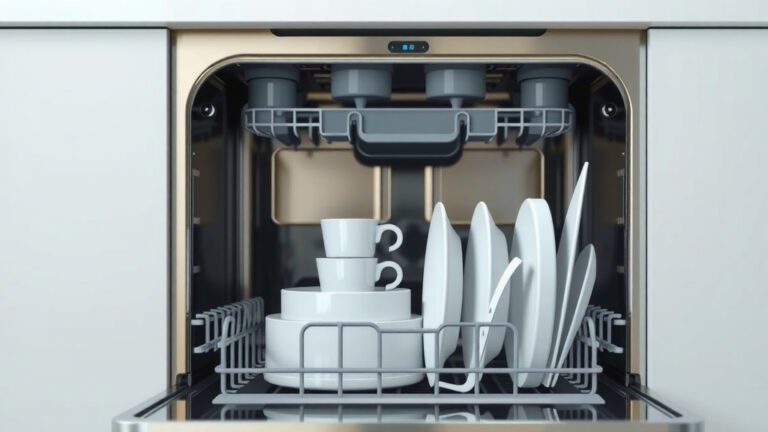
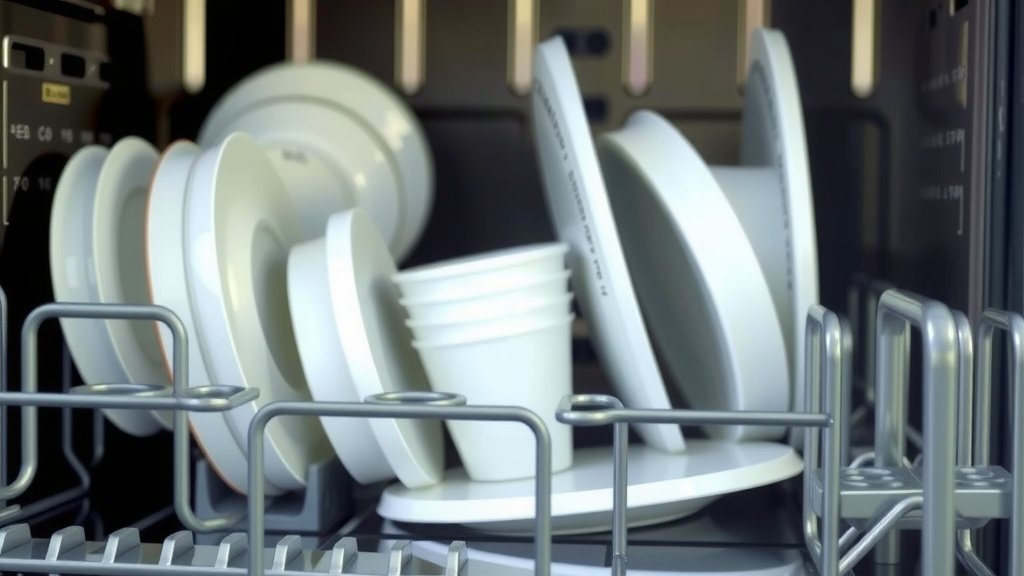
Think of your dishwasher as a team player. Each dish needs its own space to get the full benefit of the spray arms. Ensure that heavily soiled items face the spray. Don’t let large utensils or dishes block the detergent dispenser. We found that following the manufacturer’s loading recommendations can significantly boost cleaning performance.
Regular Maintenance for Optimal Performance
Even the best dishwashers need a little TLC. Over time, food debris can accumulate in the filter. This can reduce cleaning efficiency and potentially lead to odors. Regularly cleaning the filter is a simple step that keeps your dishwasher running smoothly and ensures it performs at its peak sanitation levels. Many manufacturers recommend cleaning the filter every few weeks.
When to Consider a Deep Clean
For an extra boost of cleanliness, consider running an empty cycle with a dishwasher cleaner or a cup of white vinegar. This can help remove mineral deposits and any lingering grime. It’s a good practice to do this every few months. We found this can help maintain that squeaky-clean, sanitary environment inside your appliance.
Common Misconceptions About Dishwasher Hygiene
Some people worry that dishwashers might not be sanitary because they don’t see the cleaning process up close. This is understandable, but research suggests the opposite is true. The enclosed environment, combined with intense heat and specialized detergents, creates a powerful sanitizing effect. It’s a Understand the controlled germ-killing process your dishwasher uses.controlled germ-killing process that handwashing often can’t match.
Your Dishwasher: A Sanitary Champion
In summary, your dishwasher is a powerful tool for keeping your kitchenware hygienic. The combination of high water temperatures, effective detergents, and optional heated drying cycles creates an environment that effectively eliminates most common household germs. While proper loading and regular maintenance are important for optimal performance, you can rest assured that your dishwasher is working hard to provide you with clean and sanitary dishes after every cycle.
Keeping Your Dishwasher at its Best: A Quick Checklist
- Load dishes properly, avoiding overcrowding.
- Scrape off large food scraps before loading.
- Clean the dishwasher filter regularly.
- Use the right amount of appropriate detergent.
- Consider a monthly cleaning cycle with vinegar or cleaner.
- Run the hottest water cycle available for maximum sanitization.

Conclusion
You’ve learned that your dishwasher is a true sanitation champion. It uses high-temperature water and powerful detergents to create a hygienic environment for your dishes. This is far more effective than most handwashing attempts. By following simple loading and maintenance tips, you ensure your dishwasher always performs at its best. Keep these practices in mind, and you can trust your dishwasher to deliver sparkling clean and sanitary results every single time. Your effort in maintaining it pays off in healthier kitchens.
Frequently Asked Questions
How often should I clean my dishwasher filter?
You should aim to clean your dishwasher filter every few weeks. This simple task prevents food debris buildup, ensuring your dishwasher cleans effectively. A clogged filter can reduce sanitation performance and lead to odors.
Can I put antibacterial soap in my dishwasher?
No, you should not use antibacterial soap or hand dish soap in your dishwasher. These soaps create too many suds, which can damage your appliance and prevent proper cleaning. Always use detergents specifically designed for dishwashers.
Does the heated dry cycle actually sanitize dishes?
The heated dry cycle adds an extra layer of sanitization by eliminating moisture where bacteria could grow. While the main wash and rinse cycles do the heavy lifting for killing germs, the heated dry helps ensure a truly dry and hygienic result.
What’s the best way to load my dishwasher for maximum sanitation?
Load dishes so that water and detergent can reach all surfaces. Avoid overcrowding and ensure heavily soiled items face the spray arms. Don’t let large utensils block the detergent dispenser for optimal cleaning performance.
Is my dishwasher safe if I have young children or someone with a weakened immune system?
Yes, a properly functioning dishwasher is generally very safe. The high heat and detergents kill most harmful bacteria, making it a more sanitary option than handwashing for households with vulnerable individuals.