
DIY Dishwasher Cleaner With Vinegar: Easy Steps That Work
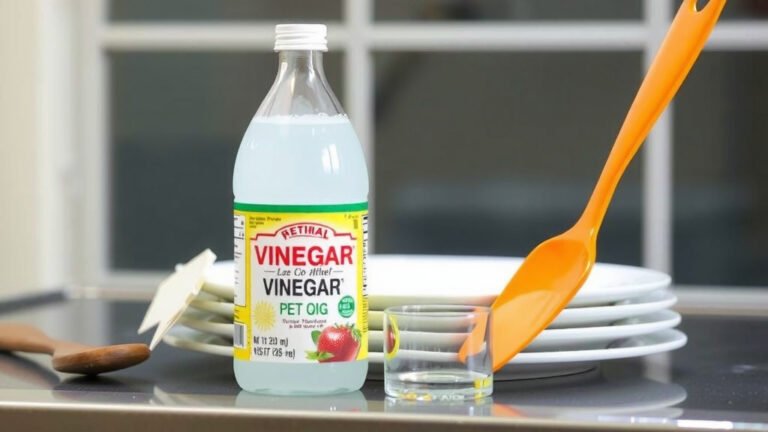
The easiest DIY dishwasher cleaner is plain white vinegar. Pour one to two cups into a bowl or cup on the top rack, then run a hot cycle with the dishwasher empty. The vinegar breaks down grease, hard water spots, and that funky smell your dishwasher has been hiding.
Why does this matter? Over time, food bits and mineral buildup coat your dishwasher’s spray arms and filter. That means dirtier dishes and a machine that works harder than it should. We researched common dishwasher-care tips and found that a monthly vinegar clean is one of the cheapest and safest ways to keep your machine running well. No fancy tablets, no store trip, no big budget needed.
- White vinegar is the go-to for cleaning the inside of your dishwasher.
- Run the cycle empty so the vinegar can work on surfaces, not dishes.
- Cleaning once a month helps prevent odors and buildup.
- Baking soda is a good follow-up step for extra deodorizing.
- Check your manual first, since some manufacturers warn against vinegar.
Below, we walk you through the whole process step by step, plus a few extra tips to keep your dishwasher fresh between cleanings. Ready? Let’s dive in — well, not literally.
Cleaning Your Dishwasher with Vinegar, Step by Step
Here’s the short version: empty the machine, set a cup of white vinegar on the top rack, and run a hot cycle. That’s it. But a few small details make the difference between a rinse and a real clean.
We researched dishwasher care guidance from appliance makers and consumer sites, and we found that the same steps come up again and again. Follow them in order and you’ll get better results.
What You’ll Need Before You Start
Good news — you probably have everything already. No shopping trip required.
- One to two cups of distilled white vinegar (the plain 5% kind)
- A dishwasher-safe bowl or measuring cup
- Baking soda, if you want a deodorizing follow-up
- An old toothbrush for scrubbing the gunk in tight spots
- A soft cloth for wiping the door edges and seals
The Basic Vinegar Cycle
Start by making sure the dishwasher is completely empty. No plates, no cups, no hiding spoons. Vinegar needs open access to the spray arms and walls to do its job.
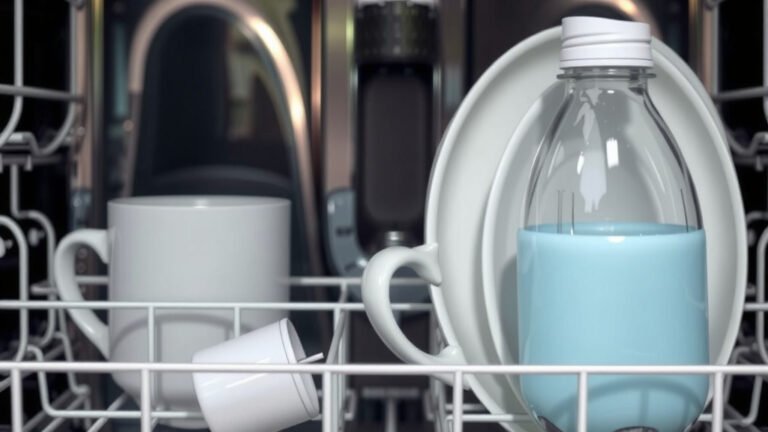
Next, pour one to two cups of vinegar into your bowl or cup and set it upright on the top rack. Don’t pour it straight into the detergent dispenser — it will drain out too fast during the pre-wash and lose most of its punch.
Then run a full, hot cycle. If your machine has a “heavy” or “sanitize” setting, use it. Hot water helps the vinegar dissolve mineral deposits and grease more effectively.
Prep Work That Makes a Big Difference
Want to go the extra mile? Ten minutes of prep changes everything.
Check and Clear the Filter
Most dishwashers have a filter at the bottom that catches food scraps. Twist it out, rinse it under hot water, and scrub it gently with that old toothbrush. Many manufacturers recommend cleaning this filter regularly, and we found that a clogged filter is the number one cause of smelly machines.
Wipe the Spray Arms and Door Seals
Pop out the spray arms if they lift out easily. Poke food bits out of the tiny holes with a toothpick or pin. Then wipe the rubber door seal with a vinegar-damp cloth. Grease loves to hide along that edge, and the spray arms can’t reach it.
The Baking Soda Follow-Up
After the vinegar cycle finishes, sprinkle about one cup of baking soda across the bottom of the tub. Run a short, hot rinse cycle. This second pass neutralizes lingering odors and brightens the inside.
Think of it like a one-two punch. Vinegar is the degreaser; baking soda is the deodorizer. Together, they leave the tub smelling like nothing at all — which, weirdly, is exactly what you want.
One warning: don’t mix vinegar and baking soda in the same cycle. They cancel each other out chemically, so you’d just be washing the tub with salty, fizzy water. Fun to watch, useless for cleaning.
How Often Should You Clean Your Dishwasher?
Once a month is the sweet spot for most households. If you run your dishwasher daily, or you have hard water, every two to three weeks is even better.
Hard water leaves mineral buildup faster, and that chalky film can clog spray arm holes over time. Many experts suggest checking your spray arms monthly if you notice white residue on glassware (this is a common tip from appliance care guides and consumer testing organizations).
Here’s a quick schedule you can stick to:
| Task | How Often | Time Needed |
|---|---|---|
| Scrape and rinse dishes before loading | Every load | 30 seconds |
| Rinse the filter | Weekly or biweekly | 5 minutes |
| Vinegar cleaning cycle | Monthly | One cycle |
| Baking soda deodorizing rinse | Monthly, after vinegar | Short cycle |
| Wipe door seals and edges | Monthly | 5 minutes |
| Deep clean spray arms | Every 3 months | 10 minutes |
Warnings Before You Pour
Vinegar is gentle, but a few precautions still apply. Skipping these could cost you a warranty claim, so it’s worth two minutes of reading.
Check Your Manual First
Some manufacturers — a few models from Bosch and Miele, for example — advise against vinegar because its acidity can wear on rubber seals and metal parts with repeated use. If your manual warns against it, use a commercial dishwasher cleaner instead, or use vinegar less often (once every few months rather than monthly).
What Not to Mix
Never combine vinegar with chlorine bleach. The mixture creates toxic chlorine gas, and the CDC warns against mixing bleach with any acid, including vinegar. Keep them far apart — different cycles, different days.
Also, skip the vinegar on stainless steel interiors if your manual objects. Occasional use is generally fine, but heavy, repeated exposure can dull the finish over time.

Signs Your Dishwasher Is Begging for a Clean
Your dishwasher won’t text you, but it does send signals. Watch for these:
- A sour or musty smell when you open the door
- Glasses coming out cloudy or spotted
- Standing water at the bottom after a cycle
- Food bits stuck on “clean” dishes
- White, chalky film inside the tub
- Longer cycle times than usual
If you spot two or more of these, run the vinegar clean soon. Your future self will thank you at 7 a.m. on a Monday when the coffee mugs come out sparkling.
Your Monthly Dishwasher Care Checklist
Print this out, stick it inside a cabinet door, and check it off. That’s it — that’s the whole routine.
- Empty the dishwasher completely
- Remove and rinse the filter
- Wipe the door seals and edges
- Run a hot cycle with a cup of vinegar on the top rack
- Sprinkle baking soda and run a short rinse
- Glance at the spray arm holes for clogs
Five to ten minutes of actual work, one hot cycle doing the heavy lifting. That’s less effort than arguing with your family about loading the thing correctly — and honestly, a lot more productive.
Conclusion
You now have everything you need to keep your dishwasher sparkling and smelling fresh. We have shown you that white vinegar is a potent tool for breaking down grease and hard water spots without requiring expensive store brands. Remember to pair the vinegar’s degreasing power with baking soda for optimal deodorizing results. By spending just ten minutes on your monthly checklist, you prevent those foul odors and cloudy dishes down the road. Take the time today to give your dishwasher the deep clean it deserves, and watch your dishes come out cleaner than ever.
Frequently Asked Questions
Can I use vinegar in my dishwasher if it has a ceramic interior?
While vinegar is gentle, excessive use of any acidic cleaner can potentially dull finishes or affect certain types of coatings over a long period. We recommend using it only once or twice a month for maintenance, rather than daily, to ensure your appliance lasts.
What happens if my dishwasher smells terrible right now?
A severe smell usually means mineral and grease buildup is overwhelming the deodorizers. You should run an empty, intense vinegar cycle first to break down the gunk. Then, follow up immediately with the baking soda step to neutralize the remaining odors.
Why should I use distilled white vinegar instead of household white vinegar?
Distilled white vinegar is recommended because it contains very little dissolved mineral content. This ensures that you are not introducing extra minerals into the rinse cycle, which could potentially contribute to future buildup inside the machine.
Does running a hot cycle with vinegar damage my dishwasher’s rubber seals?
Most modern dishwashers handle a standard hot cycle with vinegar safely. However, we suggest checking your appliance manual to ensure the manufacturer does not have specific concerns regarding the vinegar’s acidity interacting with your specific model’s seals.
How do I know if my dishwasher truly needs a vinegar clean?
Look for visual signs like white chalky deposits on glassware, or a foul, sour odor when you open the door. If you notice food scraps stuck to the walls or the spray arms are clogged, it is definitely time for a cleaning.