How Condensation Drying Works in Your Dishwasher Explained
Condensation drying in a dishwasher is a heat-based drying method that uses the hot water and steam from your final rinse to dry your dishes—no heated drying element needed. After the rinse cycle ends, the steam condenses on the cooler stainless steel walls, and that moisture then slides off your dishes and drains away. In short: your dishes dry themselves using leftover heat.
Many dishwashers from brands like Bosch and Miele rely on this method. We researched and found that it’s popular because it’s energy efficient and gentler on plastic items that can melt near traditional heating coils. The trade-off? It can take a bit longer than heated drying, and plastics don’t dry as well as glass or ceramic. Wondering why your plastic containers come out wet while your plates are bone dry? That’s exactly the kind of thing we’ll cover.
- Condensation drying uses hot rinse water and steam instead of a heating element.
- Moisture condenses on cool walls, then drains away—leaving dishes dry.
- It saves energy but works slower than heated drying.
- Plastics dry poorly because they don’t hold heat well.
- Opening the door slightly at the end can boost drying results.
Below, we break down exactly how condensation drying works, step by step, so you can finally make sense of what’s happening inside that machine every night.
How Your Dishwasher Dries Dishes With Condensation
Condensation drying works by turning your dishwasher into a mini steam room—then quickly cooling it down. The hot final rinse leaves everything steaming. That steam then sticks to the cooler walls and slides away as water droplets.
Think of it like a cold glass of lemonade on a summer day. Water beads up on the outside, right? Your dishwasher uses that same science, just in reverse and on purpose.
The Step-by-Step Process Inside Your Dishwasher
Here’s what happens after the last rinse cycle finishes. We found the sequence is surprisingly simple once you break it down.
Step 1: The Hot Final Rinse
The machine sprays your dishes with very hot water, often hotter than your kitchen faucet can reach. This heats the dishes themselves, not just the water around them. Many experts note that hot dishes hold heat the way a pizza stone stays warm after it leaves the oven.
Step 2: Steam Fills the Tub
Once the spraying stops, all that hot water starts to evaporate into steam. The inside of your dishwasher becomes a warm, humid box. Your dishes are basically relaxing in a sauna at this point.
Step 3: Condensation on the Cool Walls
Here’s the clever part. The stainless steel walls are cooler than the dishes and the air. So steam condenses on them first, forming droplets that run down and drain away.
Why steel and not plastic tubs? Metal pulls heat away faster, which keeps the walls cooler. We found that brands like Bosch design their tubs around this exact principle.
Step 4: Moisture Leaves Your Dishes
Because the steam is leaving the air, more moisture evaporates off your dishes to replace it. It’s a cycle: water leaves your plate, hits the wall, and drains out. Over time, your plates dry off without any heating coil doing the work.
Condensation Drying vs. Heated Drying
So how does this stack up against the old-school heating element most of us grew up with? Here’s a quick side-by-side.
| Feature | Condensation Drying | Heated Drying |
|---|---|---|
| Energy use | Very low—reuses rinse heat | Higher—uses a heating element |
| Drying speed | Slower, sometimes 30+ extra minutes | Faster at the end of the cycle |
| Plastic items | Often still wet | Dries better but can warp cheap plastics |
| Melt risk | Almost none | Small risk if plastic touches the coil |
| Noise | Quiet, no extra fan usually | Some models add fan noise |
The takeaway? Heated drying wins on speed, while condensation drying wins on efficiency. Government energy guides often point out that heating elements are among the biggest power draws in a dishwasher cycle.
Why Your Plastic Containers Stay Wet
Ever pull out sopping wet storage lids while your mugs are dry as a bone? There’s a real reason for that.
Plastics Don’t Hold Heat
Plastic is a poor heat conductor. It cools down fast, so there’s not enough warmth left on its surface to push moisture into the air. Glass and ceramic, on the other hand, stay hot for a long time and keep evaporating water.
Water Clings to Plastic Surfaces
Water also beads up on slick plastic instead of spreading into a thin film. Thin films evaporate fast. Beads take forever. That’s why a plastic bowl can look dry at the bottom but still pool water on its rim.
Tips to Get Better Drying Results
Want drier dishes without switching machines? We found a handful of habits that genuinely help.
Your Quick Drying Checklist
- Crack the door open after the cycle ends to let steam escape.
- Use a rinse aid—it helps water sheet off instead of beading.
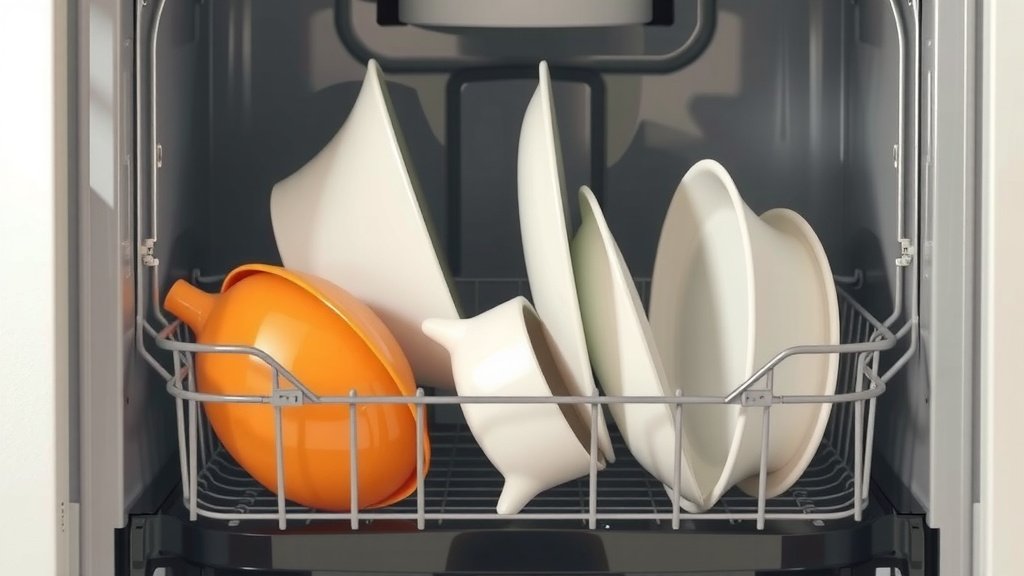
- Load plastics on the top rack, angled so water can run off.
- Don’t overcrowd the racks; air needs room to move.
- Run the hottest cycle your dishes can safely handle.
- Unload bottom rack first so drips from above don’t soak it.
Why Rinse Aid Matters More Than You Think
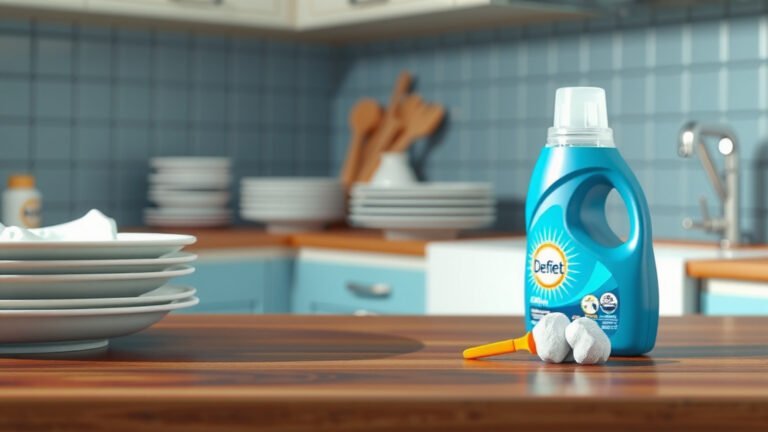
Rinse aid isn’t just a fancy upsell. It lowers the surface tension of water so it slides off dishes in thin sheets. Consumer testing groups have repeatedly shown rinse aid makes a bigger difference with condensation drying than with heated drying. If your machine doesn’t use a heating coil, this little bottle is your best friend.
Is Condensation Drying Right for You?
If you care about lower energy bills and quieter cycles, this method is hard to beat. It’s also safer for delicate items and cheap plastics that might warp near a coil.
If you hate opening the dishwasher to find wet plastic lids, you’ll need to manage expectations. Even the best European-style dishwashers leave some plastics damp. Many owners simply pull plastics out first and let them air dry on the counter.
One more thing worth mentioning: humidity in your kitchen matters too. Research from building science sources, including guidance from the EPA on indoor moisture, suggests venting steam is good for indoor air quality. Cracking the door helps your dishes and your kitchen at the same time.
Common Myths About Condensation Drying
“My Dishwasher Must Be Broken”
Wet dishes at cycle’s end don’t automatically mean a faulty machine. With this drying style, some dampness is normal—especially on plastics. Check the basics first before calling a repair tech. If dampness seems worse than normal, our dishwasher not drying troubleshooting guide walks through the fixes to try first.
“Adding More Detergent Helps”
More soap won’t fix wet dishes. Excess detergent can leave residue and film, which actually holds moisture longer. Stick to the recommended amount and lean on rinse aid instead.
“You Need to Towel Dry Everything”
You might, occasionally, for plastics. But with a hot final rinse, a cracked door, and rinse aid, most of your load should come out ready to shelve. If everything is soaked every single time, that’s when it’s worth checking your water temperature or cycle settings.
Conclusion
Condensation drying is a smart, quiet way to dry dishes using nothing but the heat already in your machine. The hot final rinse warms your dishes, steam condenses on the cool steel walls, and moisture simply drains away. You trade a little speed and perfectly dry plastics for lower energy use and safer cycles. We found that small habits make a big difference: use rinse aid, load plastics angled on the top rack, and crack the door open when the cycle ends. If wet lids are your only complaint, you’re not doing anything wrong—that’s just how this method works. Your next step? Fill the rinse aid reservoir tonight and try the cracked-door trick on your very next load.
Frequently Asked Questions
Does condensation drying use more electricity than heated drying?
No, it usually uses less. Since there’s no heating element running during the dry phase, your dishwasher draws far less power at the end of a cycle. The heat from the final rinse does most of the work for free.
Can I add a dish towel or leave the door wide open to speed things up?
Leave the door fully open or cracked a few inches—both work better than a towel draped over the opening. Releasing the steam lets dry kitchen air replace the humid air inside, which speeds evaporation. Just give it 10 to 15 minutes before unloading.
Why does my dishwasher run longer when it uses condensation drying?
Passive drying takes time because the machine isn’t blasting your dishes with hot air. Many models extend the cycle by 20 to 40 minutes to give moisture time to evaporate and drain. The extra minutes are the trade-off for the energy savings.
Do all stainless steel dishwashers use condensation drying?
Not all of them, but it’s common. Brands like Bosch and Miele built their drying systems around stainless tubs because metal cools quickly and pulls steam out of the air. American brands with plastic tubs more often pair with traditional heating elements.
Is it bad for my kitchen if steam escapes when I open the door?
A little steam is harmless in most homes, and venting it is actually recommended for indoor moisture control. If your kitchen lacks ventilation or you run the dishwasher daily, crack a window or run your range hood briefly. It keeps humidity from building up around cabinets and windowsills.