Naturally Descale Your Dishwasher: A Simple Guide
Yes, you can absolutely descale your dishwasher naturally! The easiest way to do this is by using white vinegar or baking soda. These common household items are surprisingly effective at breaking down mineral deposits and leaving your dishwasher sparkling clean.
Over time, hard water can leave stubborn limescale buildup inside your dishwasher. This not only looks unsightly but can also affect its cleaning performance. Fortunately, you don’t need harsh chemicals to tackle this problem. Natural methods are safe, eco-friendly, and budget-friendly.
- Descale your dishwasher with white vinegar or baking soda.
- These natural ingredients effectively remove mineral buildup.
- It’s a safe and budget-friendly cleaning method.
- Helps improve your dishwasher’s cleaning performance.
- Keeps your appliance looking and working its best.
Ready to give your dishwasher a natural refresh? Let’s walk through exactly how to use these simple ingredients step by step.
Natural Ways to Tackle Dishwasher Limescale
Mineral buildup, often called limescale, can really gunk up your dishwasher. This happens when hard water leaves behind calcium and magnesium deposits. You might notice white, chalky spots on your dishes or inside the dishwasher itself. This isn’t just an eyesore; it can actually make your dishwasher less efficient. Fortunately, you can often clear this out with simple, natural ingredients you probably already have in your pantry. Let’s look at how to get your dishwasher sparkling clean without harsh chemicals.
Why Your Dishwasher Needs Descaling
Think of your dishwasher like a car engine. If it’s not maintained, it won’t run as smoothly or efficiently. Limescale is like sludge in that engine. It coats the heating elements, spray arms, and interior walls.
Impact on Cleaning Performance
When limescale builds up, it can block the spray arms. This means water doesn’t get distributed evenly. Your dishes might not get clean. The heating element can also become less effective. This leads to longer wash cycles and hotter energy bills. You might also start seeing those annoying white spots on your glasses after a cycle.
Preventing Future Buildup
Regular descaling helps prevent these issues. It’s like giving your dishwasher a spa day! Keeping it clean ensures it performs at its best. This means cleaner dishes and a longer lifespan for your appliance. Many manufacturers recommend descaling every 1-3 months, depending on your water hardness.
Using White Vinegar for Descaling
White vinegar is a powerhouse for cleaning because of its acidity. It’s excellent at breaking down mineral deposits like limescale. It’s also a fantastic natural disinfectant and deodorizer. Using it is straightforward and safe for most dishwashers.
The Vinegar Method Step-by-Step
Here’s how to give your dishwasher a vinegar bath. You won’t need much, just a standard bottle of white vinegar.
Step 1: Prepare the Dishwasher
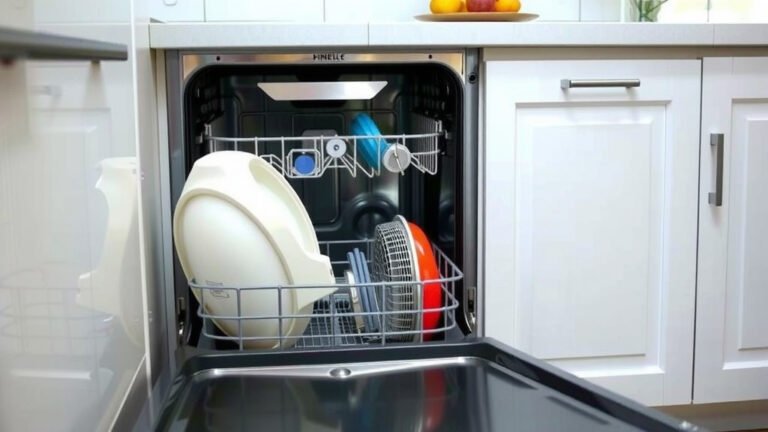
Start by removing any large food debris from the bottom of the dishwasher. You don’t need to pre-rinse your dishes. Make sure the dishwasher racks are empty.
Step 2: Add the Vinegar
Place a dishwasher-safe bowl or cup filled with about 2 cups of white vinegar on the top rack of your empty dishwasher. Some people prefer to pour vinegar directly into the detergent dispenser, but a bowl ensures the vinegar can circulate throughout the entire cycle.
Step 3: Run a Hot Cycle
Close the dishwasher door and run it on a hot water cycle. The heat and the vinegar working together will help dissolve the limescale. Let the cycle complete fully. You should notice a vinegar smell, but don’t worry, it dissipates quickly.
Step 4: Check and Repeat if Necessary
Once the cycle is done, open the door and inspect the interior. If you still see some stubborn residue, you can repeat the process. For very heavy buildup, a second cycle might be needed.
Introducing Baking Soda for Cleaning Power
Baking soda is another fantastic natural cleaner. It’s a mild abrasive that helps scrub away grime and buildup. It also neutralizes odors, leaving your dishwasher smelling fresh. It can be used on its own or in conjunction with vinegar for an extra cleaning boost.
The Baking Soda Method Explained
Baking soda is great for tackling the residue that vinegar might leave behind, or for a lighter clean.
Step 1: Ensure the Dishwasher is Empty
Just like with the vinegar method, start with an empty dishwasher. Remove any large food particles. This ensures the baking soda can work directly on the surfaces.
Step 2: Sprinkle Baking Soda
Sprinkle about 1 cup of baking soda evenly across the bottom of the dishwasher tub. Make sure it’s spread out. This allows it to reach all areas.
Step 3: Run a Short, Hot Cycle
Close the door and run the dishwasher on a short, hot water cycle. The gentle abrasion of the baking soda will help scrub away deposits. The heat will help lift any remaining grime.
Step 4: Wipe Down and Air Out
After the cycle finishes, open the door. You can use a damp cloth to wipe away any remaining residue. Leave the door ajar for a while to allow the interior to air dry and get rid of any lingering smells.
The Vinegar and Baking Soda Combo for Tough Buildup
Sometimes, the best approach is to combine forces! For really tough limescale, using both vinegar and baking soda can be incredibly effective. This two-step process tackles both the dissolving power of vinegar and the scrubbing power of baking soda.
Two-Step Descaling Process
This method is a bit more involved but delivers excellent results for heavy buildup.
Step 1: Vinegar Wash
Follow the vinegar method outlined above. Run a full hot cycle with 2 cups of vinegar in a bowl on the top rack. This step is crucial for breaking down the bulk of the limescale.
Step 2: Baking Soda Rinse
After the vinegar cycle is complete, sprinkle about 1 cup of baking soda across the bottom of the dishwasher. Then, run another short, hot water cycle. This will help scrub away the loosened deposits and neutralize any lingering odors.
Step 3: Inspect and Admire
Once the baking soda cycle is done, open your dishwasher. You should see a noticeable difference. Your dishwasher should be cleaner, and any mineral buildup should be significantly reduced. Wipe down any remaining spots with a damp cloth. You’ve earned it!

When to Descale Your Dishwasher
Knowing when to descale is key to keeping your appliance running well. Several signs indicate it’s time for a cleaning.
- Visible white, chalky deposits inside the tub or on racks.
- Food particles not being rinsed away completely.
- Dishes coming out with cloudy or spotty residue.
- Your dishwasher seems to be running longer than usual.
- A musty or unpleasant odor coming from the dishwasher.
Tips for Maintaining a Clean Dishwasher
Once you’ve got your dishwasher sparkling again, you’ll want to keep it that way! Regular maintenance is your best friend.
- Scrape plates: Always scrape off large food particles before loading.
- Check filters: Clean your dishwasher’s filter regularly. Most have a removable filter at the bottom.
- Use the right detergent: Ensure you’re using a good quality dishwasher detergent.
- Run hot cycles: Occasionally run a hot water cycle, even if it’s just for rinsing.
- Hard water solutions: If you have very hard water, consider using a rinse aid or a dishwasher cleaner designed for hard water.
Understanding Water Hardness and Your Dishwasher
The severity of limescale buildup often depends on your home’s water hardness. Water hardness refers to the mineral content, primarily calcium and magnesium. If you have hard water, you’ll likely need to descale more frequently.
What is Hard Water?
Hard water has a high concentration of dissolved minerals. These minerals are harmless to drink but can cause issues in appliances. They are the primary cause of limescale buildup. Many regions in the United States have hard water (USGS). Your local water utility can often provide information on your water hardness.
Adjusting Your Descaling Schedule
If your water is particularly hard, you might need to descale every month. For moderately hard water, every 2-3 months is usually sufficient. If you have soft water, you might only need to descale once or twice a year. Paying attention to the signs your dishwasher gives you is the best indicator.
A Quick Checklist for a Sparkling Dishwasher
Ready to give your dishwasher a natural makeover? Follow these simple steps:
- Scrape large food debris from dishes before loading.
- Add 2 cups of white vinegar to a bowl on the top rack.
- Run a full, hot water cycle to dissolve buildup.
- For tougher jobs, sprinkle baking soda on the bottom afterward.
- Run another short, hot cycle with baking soda.
- Wipe down any remaining spots and leave the door ajar to air out.
Conclusion
You’ve now learned how simple and effective natural descaling can be for your dishwasher. Using common household items like white vinegar and baking soda tackles tough mineral buildup without harsh chemicals. This means a cleaner dishwasher, better-performing dishes, and a longer appliance life. You can save money and help the environment, too.
Ready to get started? Gather your supplies and schedule your first natural descaling session this week. Your dishwasher will thank you for it!
Frequently Asked Questions
Can I use apple cider vinegar instead of white vinegar?
While apple cider vinegar has some cleaning properties, white vinegar is generally recommended for descaling dishwashers. Its higher acidity is more effective at breaking down limescale deposits. Using apple cider vinegar might not yield the same results and could potentially leave behind a slight fruity odor.
How often should I descale my dishwasher naturally?
The frequency depends on your water hardness. For very hard water, aim to descale monthly. If you have moderately hard water, every two to three months is usually sufficient. If you notice signs of buildup like spots on dishes or slower performance, it’s time for a clean regardless of the schedule.
Will the vinegar smell linger after cleaning?
You might notice a vinegar smell during the wash cycle, but it dissipates quickly once the cycle is complete. Leaving the dishwasher door ajar after the cycle finishes helps the interior air out thoroughly, eliminating any residual odor.
Is it safe to use both vinegar and baking soda in the same week?
Yes, it’s perfectly safe and often beneficial to use both methods. You can run a vinegar cycle one week and a baking soda cycle the next, or use them in sequence for very heavy buildup as outlined in the article. This two-step approach maximizes cleaning power.
What if I have a stainless steel interior dishwasher? Is vinegar safe?
Yes, white vinegar is generally safe for stainless steel interiors when used as directed. The acidity helps break down mineral deposits without damaging the material. Ensure you rinse thoroughly and don’t leave the vinegar in contact with the stainless steel for extended periods beyond the wash cycle.