When to Descale Your Dishwasher for Best Results
You should descale your dishwasher about once every 1-3 months, depending on your water hardness and how often you use it. This helps prevent mineral buildup and keeps your dishes sparkling clean. Ignoring it can lead to poor performance and even damage.
That white, chalky residue isn’t just unsightly; it’s limescale. This buildup can clog spray arms and filters, making your dishwasher less effective. Regular descaling is a simple way to ensure your appliance runs efficiently and extends its lifespan, saving you money in the long run. Many experts agree this maintenance is key.
- Descale every 1-3 months.
- Check water hardness.
- Watch for white residue.
- Clean spray arms and filters.
- Prevent mineral buildup.
Ready to tackle that potential gunk? Let’s walk through why and when you should be giving your dishwasher a good descaling.
Keeping Your Dishwasher Sparkling: When to Tackle Limescale
Your dishwasher works hard for you. It blasts away grease and grime. But what happens when that grime fights back? Hard water minerals can build up inside. This buildup is called limescale. It looks like white, chalky deposits. You might see it on your dishes, too. This is your cue to descale your dishwasher. Experts suggest doing this regularly. It prevents damage and keeps things running smoothly.
Signs Your Dishwasher Needs a Descale Treatment
Sometimes, your dishwasher will tell you it needs attention. You just have to listen. Or, in this case, look and observe. Are you noticing any of these signs? They are your dishwasher’s way of asking for a little TLC.
Visible White Residue on Dishes and Utensils
Have you pulled out a load of dishes only to find spots? These aren’t from food. They’re often a sign of mineral deposits. The water is leaving its mark. This is especially common if you have hard water. It means the water has a high mineral content. Your dishwasher can’t always wash these away on its own.
Cloudy Glassware After a Wash Cycle
Cloudy glasses are a common complaint. It can make even your cleanest glassware look dull. This cloudiness is often a film of limescale. It sticks to the glass surface. Descaling can help restore that sparkle. You want your drinking glasses to shine, right?
Reduced Cleaning Performance
Is your dishwasher not cleaning as well as it used to? Are you finding food particles still stuck to plates? This is a big clue. Limescale can clog the spray arms. It can also block the filters. When water can’t spray effectively, cleaning suffers. Think of it like a clogged showerhead. The water pressure drops.
Strange Noises During Operation
A dishwasher that’s working harder than it should might make new sounds. You might hear grinding or rattling. These noises can indicate mineral buildup. It can interfere with the motor or pump. This is a sign you need to act quickly.
Unpleasant Odors
A musty or sour smell coming from your dishwasher isn’t normal. While food debris can cause odors, mineral buildup can also trap bacteria. These bacteria can create unpleasant smells. Regular cleaning, including descaling, helps keep things fresh.
Factors Influencing Descaling Frequency
The “how often” question doesn’t have a single answer. Several factors play a role. It’s not one-size-fits-all. Think of it like deciding when to water your plants. It depends on the plant and the environment.
Water Hardness in Your Area
This is the biggest factor. Hard water contains high levels of dissolved minerals, like calcium and magnesium. If you live in an area known for hard water, you’ll need to descale more often. Soft water has fewer minerals. You might get away with descaling less frequently.
How do you know if you have hard water? Many local water utility companies provide this information. You can also buy simple home testing kits. These kits let you check the mineral content of your tap water. We found that knowing your water hardness is the best first step.
Dishwasher Usage Habits
How often do you run your dishwasher? If you use it daily, you’ll likely need to descale more often than someone who uses it a few times a week. More use means more water passing through, carrying more minerals.
Type of Detergent Used
Some detergents contain ingredients that can help with mineral buildup. Others might not be as effective. Using a high-quality detergent can sometimes reduce the need for frequent descaling. However, it doesn’t eliminate the need entirely.
Recommended Descaling Schedule: A General Guideline
Based on the factors above, most households fall into a general range. Many experts suggest a routine. It helps maintain optimal performance.
- For areas with hard water or frequent use: Aim to descale every 1 to 2 months.
- For areas with moderate water hardness or moderate use: Aim to descale every 2 to 3 months.
- For areas with soft water and infrequent use: You might be able to descale every 4 to 6 months.
It’s always better to err on the side of caution. Regular descaling is much easier than repairing damage caused by severe buildup.

The Importance of Cleaning Filters and Spray Arms
Descaling is more than just running a cleaning cycle. It’s also about maintaining the key components. Your dishwasher’s filters and spray arms are vital. They get direct contact with food debris and mineral deposits.
Cleaning the Dishwasher Filter
The filter is usually at the bottom of the dishwasher tub. It traps food particles. If it’s clogged, water can’t drain properly. This leads to odors and poor washing. You should check and rinse your filter regularly. Many experts recommend this weekly. For a deep clean, you might remove it and scrub it with a brush.
Clearing Clogged Spray Arms
Spray arms have small holes that shoot water. Limescale can block these holes. This prevents water from reaching all parts of the tub. You can often clear these blockages. Use a toothpick or a small piece of wire. Gently poke into each hole. Some people soak the spray arms in vinegar to loosen buildup.
Choosing a Descaling Product
You have a few options when it comes to descaling. The goal is to dissolve those mineral deposits.
Commercial Dishwasher Cleaners
Many brands offer specific dishwasher cleaning products. These are designed to break down limescale. Follow the product instructions carefully. They are often very effective.
Vinegar as a Natural Alternative
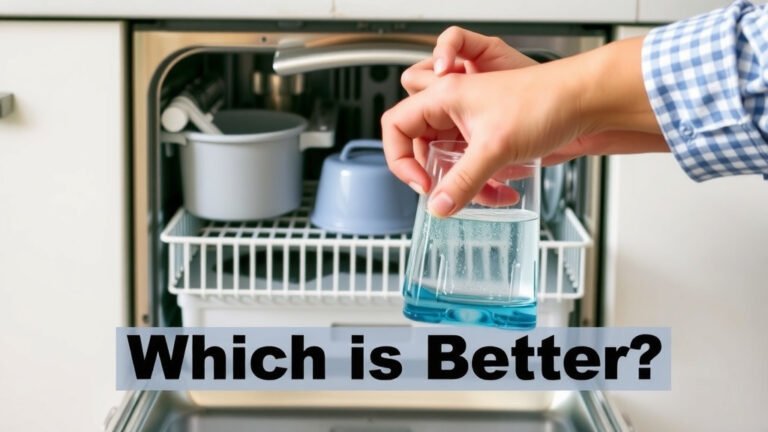
White vinegar is a natural acid. It can effectively break down mineral deposits. Pour about 1-2 cups of white vinegar into a dishwasher-safe bowl. Place it on the top rack of your empty dishwasher. Run a full hot cycle. We found this to be a popular and affordable method.
Citric Acid for Tough Buildup
Citric acid is another natural option. It’s stronger than vinegar. You can buy it in powder form. Dissolve a few tablespoons in hot water. Pour this solution into the bottom of your empty dishwasher. Run a hot cycle. Be sure to rinse thoroughly afterward.
A Simple Descaling Checklist for Your Dishwasher
Feeling overwhelmed? Don’t be! Stick to this easy checklist to keep your dishwasher happy:
- Check your dishes for white spots after every few loads.
- Listen for unusual noises during wash cycles.
- Inspect the filter weekly and rinse as needed.
- Clear spray arm holes if water spray seems weak.
- Descale your dishwasher using a cleaner or vinegar every 1-3 months.
- Run a hot water cycle for best descaling results.
By staying on top of these simple tasks, you can ensure your dishwasher runs efficiently for years to come. It’s a small effort for a big payoff: cleaner dishes and a longer-lasting appliance.
Conclusion
Keeping your dishwasher in top shape doesn’t have to be a chore. By understanding the signs your appliance needs attention – like residue on dishes or reduced cleaning power – you can act promptly. Remember, water hardness and usage habits are key factors in determining how often you should descale. Making this a regular part of your home maintenance routine, perhaps every 1 to 3 months, will ensure your dishes come out sparkling and your dishwasher runs efficiently for years to come. So, the next time you notice a hint of that chalky buildup, you’ll know exactly what to do.
Frequently Asked Questions
How do I know if my dishwasher has hard water?
You can usually find out your local water hardness from your utility company’s website. Many also offer printed reports. Alternatively, simple home testing kits are available at most hardware or home improvement stores. These kits are an easy way to get a quick reading of mineral content.
Can I use regular vinegar or do I need a special descaler?
White vinegar is a very effective and natural descaler for most situations. For very stubborn buildup, a commercial dishwasher cleaner or citric acid might offer stronger results. Always follow product instructions carefully if you opt for a commercial cleaner.
Is it bad to descale too often?
Generally, it’s not harmful to descale your dishwasher more frequently than recommended, especially if you have very hard water or notice early signs of buildup. Using gentle methods like white vinegar is safe for regular use. Excessive use of harsh chemical cleaners could potentially degrade seals over a very long time, but this is rare.
What if my dishwasher still doesn’t clean well after descaling?
If descaling doesn’t improve cleaning performance, the issue might be elsewhere. Check that the spray arms aren’t blocked with debris and that the filter is clean. Ensure you’re using the correct amount of detergent and that your dishwasher isn’t overloaded. Sometimes, older dishwashers may have components that are simply wearing out.
How can I prevent limescale buildup in the first place?
Using a rinse aid can help reduce mineral deposits by helping water sheet off dishes more effectively. Regularly cleaning your filter and spray arms also prevents clogs that can trap minerals. Choosing a good quality detergent and running your dishwasher on a hot cycle when possible can also make a difference.