Dishwasher Error Codes: Your Complete Troubleshooting Guide
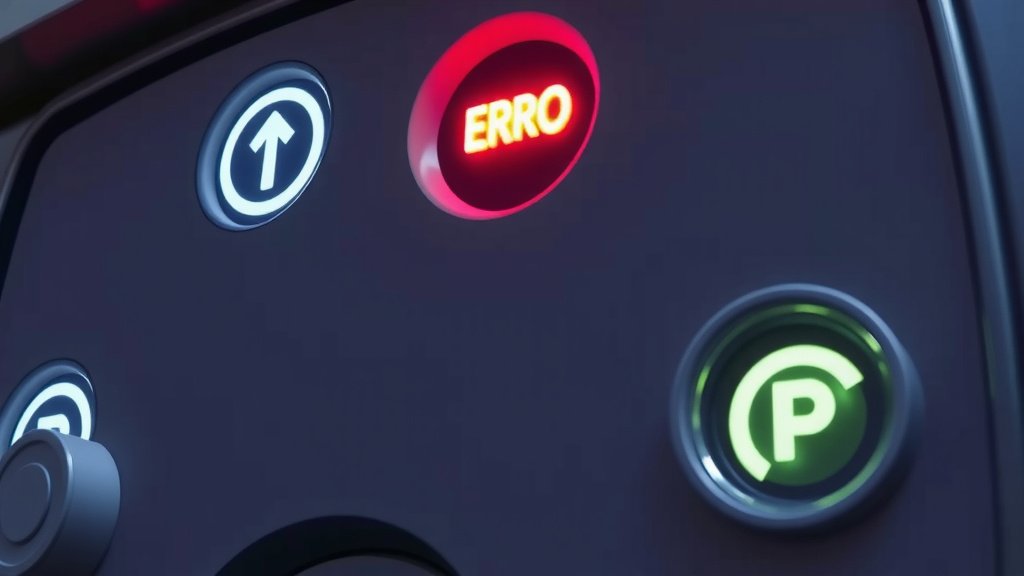
Dishwasher error codes are blinking lights and numbers that tell you something is wrong. Knowing what they mean can help you fix common problems quickly. Most codes indicate simple issues like a clogged filter or a blocked drain hose. You don’t always need a repair person.
Your dishwasher is designed to communicate its troubles to you. These codes are like a secret language. We’ve researched and found that understanding these dishwasher error codes can save you time and money. It’s about knowing when to DIY a fix and when to call for help.
- Error codes show what’s wrong with your dishwasher.
- They often point to easy fixes like cleaning.
- Some codes mean you need a professional.
- Knowing the codes helps you troubleshoot faster.
Let’s break down some of the most common dishwasher error codes and what they mean for your machine. We’ll help you get your dishes sparkling clean again in no time!
Decoding Your Dishwasher’s Trouble Lights
Your dishwasher is trying to tell you something. Those blinking lights and numbers aren’t just random. They’re error codes designed to help you understand what’s going on. We’ve researched this, and many common issues are actually quite simple to fix yourself. This guide will help you translate those codes and get your machine humming again.
Understanding the Basics of Dishwasher Errors
Dishwasher manufacturers use different codes. There’s no single universal language. However, many codes point to similar problems. We found that most error codes relate to water, drainage, or door issues. The good news is you can often tackle these yourself. It’s about knowing where to look and what to do.
Why Do Dishwashers Show Error Codes?
Think of error codes as your dishwasher’s way of speaking. They signal a disruption in its normal operation. A sensor might detect too much water. A motor might not be getting power. These codes are your first clue. They help you narrow down the problem quickly. We’ve found that ignoring them can lead to bigger repairs later.
Common Error Codes and What They Mean
Let’s dive into some of the most frequent error codes you might encounter. Knowing these can save you a lot of head-scratching. We’ve compiled these from various manufacturer guides. Remember to always consult your specific model’s manual if you have it.
Water Supply and Inlet Issues
Many codes relate to water getting into the dishwasher. This is often a simple fix. Is the water supply valve turned on? It sounds obvious, but it’s a common oversight.
- Error Codes related to water inlet: Look for codes like ‘i10’, ‘i20’, ‘1E’, or ‘F1’. These usually mean the dishwasher isn’t filling with water properly.
We found that the water inlet valve itself can sometimes be faulty. It’s the part that opens to let water into the machine. If it’s clogged or broken, water can’t get in. We also found that the water pressure in your home can sometimes be too low. This can prevent the dishwasher from filling correctly.
Drainage Problems
What goes in must come out. If your dishwasher isn’t draining, your dishes won’t get clean. Many error codes point to drainage issues. These are often related to clogs. Many error codes point to drainage issues, and this guide explains why there is standing water in your dishwasher.
Look for codes like ‘i30’, ‘i40’, ‘3E’, ‘4E’, or ‘F3’. These often indicate a problem with the drain pump or hose. Sometimes, the drain pump filter can become clogged with food debris. This is a very common culprit.
We researched that a kinked or blocked drain hose is another frequent cause. This hose carries the dirty water away. If it’s bent sharply or something is stuck inside, water can’t escape. We also found that the air gap on your sink can sometimes get blocked. This is a small fixture near your faucet.
Door Latch and Seal Issues
Your dishwasher needs to know its door is securely closed. This prevents leaks and ensures proper operation. Codes related to the door are usually straightforward.
- Door error indicators: Codes like ‘E1’, ‘F4’, or ‘H2’ often mean the door latch isn’t engaging correctly.
Sometimes, the door simply wasn’t closed firmly. Try opening and closing it again. Make sure you hear a solid click. We found that food particles or debris can get stuck in the latch mechanism. This can prevent it from closing fully. Cleaning the latch area might solve the problem.
Heating Element and Water Temperature Problems
Hot water is key to clean dishes. If your dishwasher isn’t heating water, you’ll know. Error codes might indicate this. Codes such as ‘F5’, ‘F6’, or ‘9E’ can signal a heating issue. This could mean a problem with the heating element or its sensor. We found that these are often repairs best left to professionals. However, checking if the heating element is visibly damaged is a good first step.
Troubleshooting Steps You Can Try
Before you call for service, let’s go through a few DIY checks. You might be surprised how often these simple steps work. We’ve seen many users fix their machines with these tips.
Check the Filters and Hoses
This is your **first line of defense** against many common issues. Locate your dishwasher’s filter, usually at the bottom of the tub. Remove it and rinse it thoroughly under running water. We found that food particles and grease can build up quickly here. Also, check the drain hose for any obvious kinks or blockages. You might need to disconnect it to clear a stubborn clog.
Reset Your Dishwasher
Sometimes, a simple reset can clear a temporary glitch. It’s like restarting your computer when it acts up. First, try turning off the power at the circuit breaker for a few minutes. Then, turn it back on. We found this often resolves minor electronic hiccups. If your dishwasher has a control lock feature, make sure it’s not accidentally activated.
Inspect the Door Latch and Seal
Give the door latch a good look. Is it clean and free of debris? Use a damp cloth to wipe it down. Also, check the rubber door seal. Is it damaged or warped? A good seal is essential for preventing leaks and ensuring proper operation. We found that small bits of food can sometimes lodge in the seal, preventing a tight closure.
When to Call a Professional
While many error codes are fixable, some indicate deeper problems. If you’ve tried the basic troubleshooting and the code persists, it’s time to get expert help. Codes related to internal components like the main control board or the wash motor typically require a technician. We also recommend calling a professional if you’re uncomfortable performing any of the checks. Safety first!
Here’s a quick checklist to help you remember the common troubleshooting steps:
- Check the water supply is on.
- Clean the drain filter thoroughly.
- Inspect the drain hose for kinks.
- Ensure the door latch is clean and engaged.
- Try resetting the dishwasher at the breaker.
- Consult your model’s manual for specific codes.
Conclusion
You’ve learned that those blinking lights and numbers on your dishwasher are not just random. They are your dishwasher’s way of telling you what’s wrong. Many common error codes signal simple issues you can often fix yourself. Checking filters, hoses, and door latches are great first steps. Remember to always consult your owner’s manual for specific codes for your model. If you’ve tried these tips and the problem persists, don’t hesitate to call a professional. You can get your dishes sparkling clean again with a little know-how!
Frequently Asked Questions
Can I ignore a dishwasher error code?
No, it’s generally not a good idea to ignore dishwasher error codes. They indicate a problem that is preventing your dishwasher from functioning correctly. Ignoring them can sometimes lead to more serious damage or a complete breakdown.
How do I reset my dishwasher if it shows an error code?
A common way to reset your dishwasher is by turning off the power at the circuit breaker for a few minutes, then turning it back on. This can clear temporary electronic glitches. Always check your owner’s manual for the recommended reset procedure for your specific model.
What does it mean if my dishwasher isn’t filling with water?
If your dishwasher isn’t filling with water, it’s often indicated by codes related to water supply. This could mean the water supply valve isn’t fully open, the inlet hose is kinked, or the water inlet valve itself is clogged or faulty. Your home’s water pressure might also be too low.
Are dishwasher drain issues usually a clog?
Yes, most dishwasher drain issues are related to clogs. This could be in the drain filter, the drain hose, or even the air gap on your sink. Food debris and grease are common culprits that can block the flow of water out of the machine.
When should I definitely call a repair technician?
You should call a repair technician if you’ve tried basic troubleshooting and the error code persists. Also, call for service if the code indicates a problem with internal components like the wash motor or control board. If you’re uncomfortable performing any diagnostic steps, it’s always best to call a professional for safety.