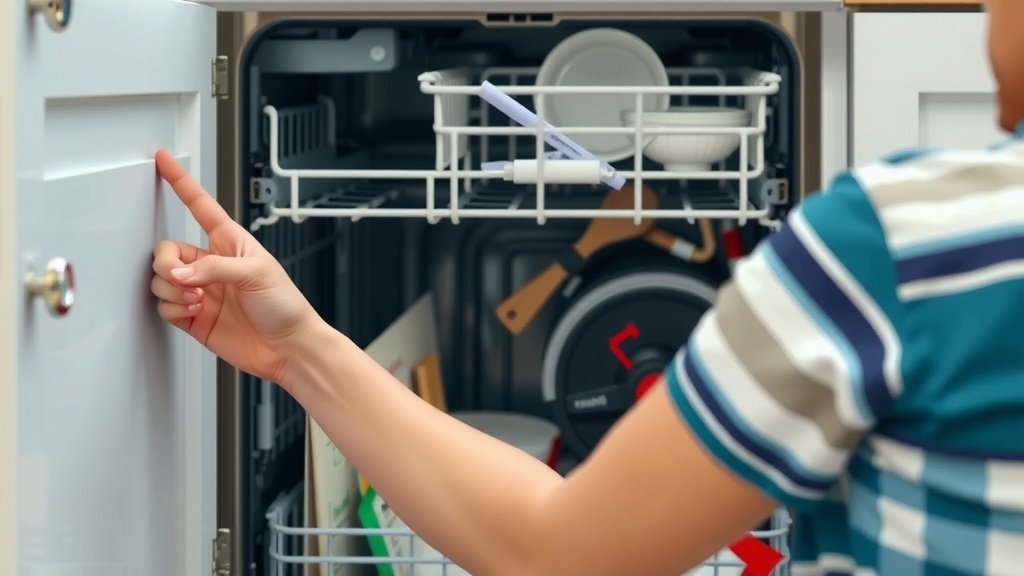
Dishwasher Smells Like Sewage: Causes & Fixes
Your dishwasher smelling like sewage likely means there’s food debris stuck in the filter or drain. This organic matter decomposes over time, creating that unpleasant odor. It could also be caused by a clogged drain hose or even a buildup of grease and grime in the sump area.
This common household issue can be quite startling, turning your normally clean appliance into a source of dread. Often, it’s a simple fix involving routine cleaning and maintenance. We found that many homeowners overlook these areas, leading to a smelly surprise after a wash cycle.
- Food particles build up in the filter.
- Grease and grime can clog the drain hose.
- A dry P-trap in the drain line can let sewer gas in.
- Regular cleaning prevents the sewage smell.
Let’s break down exactly why your dishwasher might be producing that sewage-like smell and how you can tackle it.
Understanding That Unpleasant Dishwasher Odor
It’s definitely not a pleasant surprise when your dishwasher starts smelling like sewage. You expect clean dishes, not a whiff of the sewer! Research and found that this is a surprisingly common problem for many homeowners. The good news is that it’s usually fixable with a little detective work and some elbow grease.
So, what’s really going on under the hood of your appliance? We found that the culprit is almost always a buildup of organic matter that starts to break down. Think of it like forgotten leftovers in a lunchbox – it doesn’t take long for them to get stinky. This can happen in a few key places.
The Filter: A Food Trap’s Hidden Secret
Your dishwasher has a filter designed to catch food particles. This prevents them from going down the drain and potentially causing clogs. However, if this filter isn’t cleaned regularly, it becomes a prime spot for decomposition. Small bits of food, grease, and other gunk get trapped there.
Over time, this trapped debris starts to rot. As it breaks down, it releases gases. These gases are what you’re smelling, and they can indeed smell a lot like sewage. We found that many people forget about this filter entirely until the odor becomes unbearable. It’s often the easiest fix and the first place you should check.
How to Clean Your Dishwasher Filter
Cleaning the filter is usually a straightforward process. First, you’ll need to locate it at the bottom of your dishwasher tub. Consult your dishwasher’s manual if you’re unsure. Most filters are easily removable. You’ll typically twist or lift them out.
Once removed, take the filter to your sink. You can usually rinse it under hot running water. For tougher grime, a soft brush (like an old toothbrush) and a little dish soap can work wonders. Make sure to get into all the nooks and crannies. After a good scrub, rinse it thoroughly and replace it in the dishwasher.
The Drain Hose: A Silent Culprit
Another area where odors can hide is the drain hose. This flexible tube connects your dishwasher to your kitchen sink’s plumbing or a separate drain. Food particles and grease can get stuck inside this hose, especially if it’s not draining properly.
If the hose has a sag or dip, it can create a low spot where water and debris collect. This stagnant water becomes a breeding ground for bacteria, leading to that foul smell. We found that a partially clogged drain hose is a very common reason for persistent dishwasher odors.
Checking and Clearing the Drain Hose
Inspecting the drain hose can be a bit more involved. You might need to pull your dishwasher out slightly from its usual spot to get a good look. The end of the hose that connects to your sink’s plumbing is often accessible by removing the kickplate at the bottom of the dishwasher or by looking under the sink.
You’re looking for any visible clogs or kinks. If you find debris, you might be able to dislodge it by gently squeezing the hose or by using a long, flexible tool. If you suspect a significant blockage, you may need to disconnect the hose (after shutting off the water supply to the dishwasher, if applicable) and flush it out with water.
The Sump Area: Grease and Grime Buildup
Beneath the filter, you’ll find the sump. This is where water collects before being pumped out. Like the filter, this area can accumulate grease, food particles, and soap scum. Over time, this forms a sticky layer.
This layer of grime is not only unsightly but also a source of odors. Bacteria thrive in this environment, breaking down the waste and producing those unpleasant gases. We found that a deep clean of the sump area can often resolve persistent smells that aren’t linked to the filter or drain hose.
Deep Cleaning the Sump
After removing the filter, you can typically access the sump area. You might see a small pump or impeller in this region. Use a sponge or cloth to wipe away any visible grease and food debris. A small brush can help get into tighter spots.
For a more thorough cleaning, you can use a dishwasher cleaner or a mixture of vinegar and baking soda. Run an empty cycle with the cleaner to help break down buildup. Remember to check your dishwasher’s manual for specific cleaning recommendations.
The P-Trap: A Plumbing Connection
Sometimes, the odor isn’t directly from your dishwasher itself, but from your home’s plumbing. Dishwashers are connected to your home’s drain system, which includes a P-trap. This is the U-shaped pipe under your sink designed to hold water.
The water in the P-trap acts as a seal, preventing sewer gases from coming up into your home. If this water seal dries out, or if there’s a clog in the line connected to the P-trap, you can get those sewage smells entering your kitchen, often mistaken for a dishwasher issue.
Ensuring a Proper Water Seal
This usually happens if the dishwasher (or the sink it’s connected to) hasn’t been used for a while. The water in the P-trap evaporates. Running your dishwasher or even just running water in your sink for a minute or two can help refill the P-trap and restore the seal.
If you suspect a plumbing issue, check the connection point where the dishwasher drain hose meets your sink’s drainpipe. Ensure there are no blockages there and that the connection is secure. A plumber can help if you suspect a problem with your main drain lines or the P-trap itself.
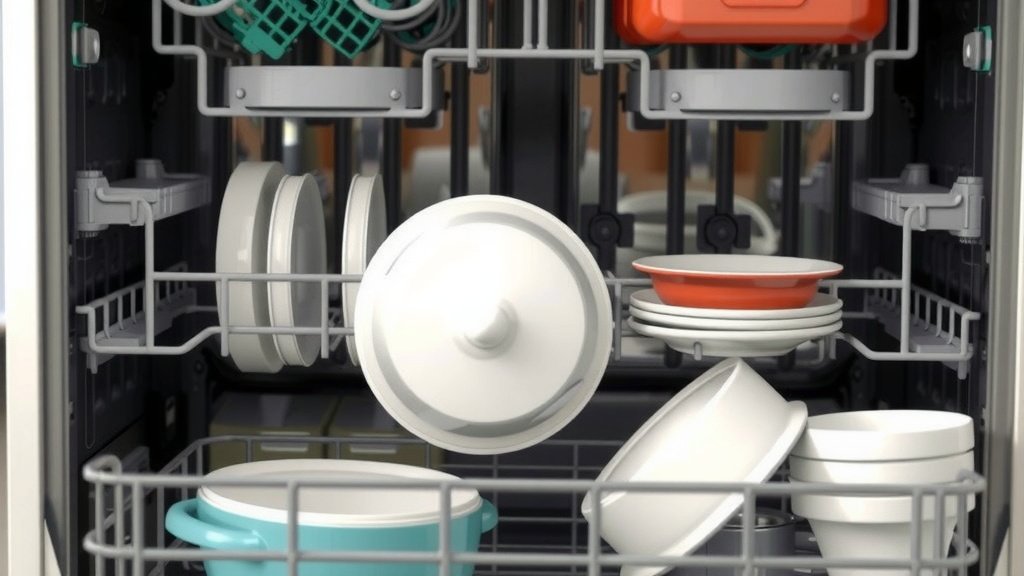
Preventative Measures for a Fresh Dishwasher
The best way to avoid that sewage smell is through regular maintenance. Think of it as giving your dishwasher a spa day to keep it smelling fresh. We found that simple, consistent cleaning habits make a huge difference.
Here’s a quick checklist to keep your dishwasher smelling great:
- Clean the filter weekly or bi-weekly.
- Scrape large food debris off dishes before loading.
- Run hot water in the sink before starting a wash cycle.
- Use a dishwasher cleaner monthly to tackle buildup.
- Check the drain hose for kinks periodically.
- Wipe down the door seal and interior with a damp cloth.
By addressing these common areas and incorporating a few simple cleaning routines, you can say goodbye to that unpleasant sewage smell and enjoy a truly clean dishwasher and sparkling dishes.
Conclusion
That sewage smell from your dishwasher doesn’t have to be a mystery anymore. You’ve learned that most odors stem from trapped food debris in the filter, a clogged drain hose, or grease buildup in the sump. Even a dry P-trap can let sewer gases creep back into your kitchen. The good news is that these are all fixable issues with simple cleaning. By making filter cleaning a regular habit and giving your dishwasher a periodic deep clean, you can keep it smelling fresh. Your next step is to grab a brush and tackle that filter – it’s the quickest way to a better-smelling kitchen.
Frequently Asked Questions
How often should I clean my dishwasher filter?
We recommend cleaning your dishwasher filter at least once a week, or every other week if you use your dishwasher less frequently. This simple routine prevents food particles from decomposing and causing that foul odor. A quick rinse under hot water usually does the trick.
Can I use bleach to clean my dishwasher?
While bleach can kill bacteria, it’s generally not recommended for regular dishwasher cleaning. Harsh chemicals can potentially damage parts of your dishwasher over time. Instead, try natural cleaners like vinegar or baking soda for a safer and effective deep clean.
My dishwasher still smells after cleaning the filter. What else could it be?
If cleaning the filter didn’t solve the problem, check your drain hose for kinks or clogs. You may also need to deep clean the sump area where grease and grime can build up. Don’t forget to ensure your sink’s P-trap has water to prevent sewer gas from entering your home.
Is it safe to run my dishwasher with a bad smell?
Yes, it’s generally safe to run your dishwasher even if it smells. The smell itself is from decomposing organic matter, not dangerous bacteria that would harm your dishes. However, addressing the odor promptly will make your kitchen a more pleasant place to be.
How can I prevent my dishwasher from smelling in the future?
Preventative care is key! Scrape large food scraps off dishes before loading, regularly clean the filter, and run hot water in your sink before starting a cycle. Using a dishwasher cleaner monthly can also help tackle unseen buildup and keep things smelling fresh.