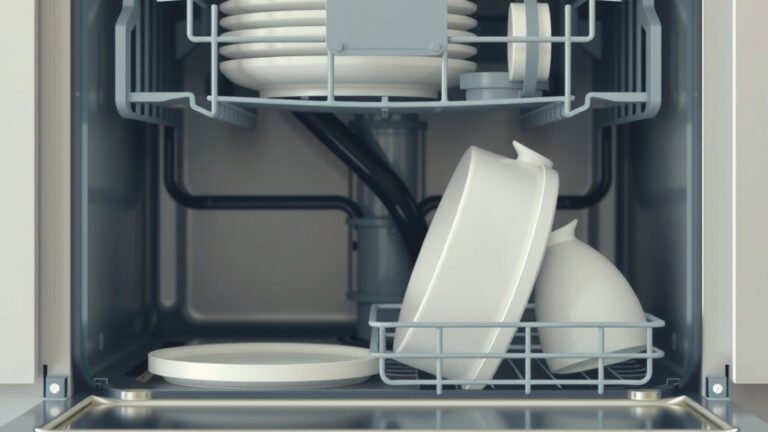

Drawer Dishwasher: What It Is & How It Works
A drawer dishwasher is a type of dishwashing appliance that looks like a large drawer. You pull it out to load dirty dishes. Then, you push it back in to start the wash cycle. It offers a more flexible and accessible way to clean your dishes compared to traditional dishwashers.
These unique dishwashers are perfect for smaller kitchens or for people who find bending down to load a standard dishwasher difficult. You can often run just one drawer, saving water and energy for smaller loads. They provide a modern solution for everyday cleanup needs.
- Drawer dishwashers are pull-out units for loading dishes.
- They can be more accessible than standard models.
- You can often run just one drawer for small loads.
- This saves energy and water.
Let’s walk through exactly how these innovative appliances work and what makes them a great choice for your home.
“`htmlUnderstanding the Drawer Dishwasher Concept
So, what exactly is a drawer dishwasher? Think of it as a dishwasher that’s built like a kitchen drawer. You simply pull it out, load your dirty dishes, and push it back in to start the wash cycle. It’s a surprisingly simple yet effective design.
How a Drawer Dishwasher Works in Practice
The operation is quite straightforward. You’ll see a handle, much like any other drawer. Pulling this opens the dishwasher compartment. Inside, you’ll find racks designed to hold your plates, bowls, cups, and cutlery. Once loaded, you push the drawer shut. This engages the seals and prepares the unit for operation.
When the cycle is complete, you pull the drawer out again to unload clean dishes. It’s a very user-friendly experience. Many people find this much easier than bending down to load a traditional, full-sized dishwasher. This accessibility is a key feature.
The Anatomy of a Drawer Dishwasher
While they look like drawers, they function just like standard dishwashers internally. You’ll find spray arms that rotate to blast water and detergent onto your dishes. Heating elements ensure the water is at the right temperature for effective cleaning. Pumps circulate the water and drain it when necessary.
The main difference is the form factor. Instead of one large cavity at floor level, you often have one or two smaller, independent units. These can be installed at various heights. This allows for more design flexibility in your kitchen layout. Some models even offer separate controls for each drawer.
Exploring the Benefits of Drawer Dishwashers
Why would you choose a drawer dishwasher over a traditional one? There are several compelling reasons that make them a smart choice for many households.
Unpacking the Accessibility Advantage
One of the most significant benefits is improved accessibility. For individuals with back problems, knee issues, or limited mobility, bending down to load a standard dishwasher can be a real challenge. Drawer dishwashers eliminate this need. You can load and unload them at a more comfortable height.
Imagine not having to strain your back every time you need to clear the dinner table. This ergonomic advantage is often the primary driver for choosing this type of appliance. It makes kitchen chores less physically demanding. Many users report a significant improvement in their daily comfort.
Efficiency for Smaller Households and Loads
Do you live alone or with just one other person? Or perhaps you find yourself running your dishwasher only half-full most of the time? Drawer dishwashers excel here. Most models come in pairs, but you can often run just one drawer at a time.
This means you can wash a small load of dishes without using the water and energy required for a full cycle. This can lead to substantial savings on your utility bills over time. It’s a more eco-friendly approach for smaller needs. You’re not wasting resources on a partially empty machine.
Flexible Installation and Design Options
Drawer dishwashers offer fantastic design flexibility. Because they are smaller units, they can be installed in a wider variety of kitchen layouts. They can be placed at standard dishwasher height, or even in upper cabinets for ultimate convenience.
This adaptability is great for kitchens with unique dimensions or where a traditional dishwasher just won’t fit. They can also integrate more smoothly into custom cabinetry. This creates a sleek, modern look. You can even have one drawer at a convenient height and a second one below, if space allows.
Capacity Considerations
It’s important to understand the capacity of drawer dishwashers. Since each drawer is smaller than a standard dishwasher tub, the total capacity might be less. A single drawer is typically designed for about 6-8 place settings. A pair of drawers would then offer a total capacity similar to a standard dishwasher.
However, the ability to run them independently means you might not feel the capacity difference. You simply run a drawer when it’s full enough. Many users find this system works perfectly for their needs. It’s about smart usage rather than sheer volume.
Comparing Drawer Dishwashers to Traditional Models
How do these drawer units stack up against the dishwashers you’re likely more familiar with? Let’s break it down.
The Key Differences Outlined
Here’s a quick look at the main distinctions:
| Feature | Drawer Dishwasher | Traditional Dishwasher |
|---|---|---|
| Loading Style | Pull-out drawer | Hinged door opening to a large tub |
| Accessibility | Excellent; easy to load at various heights | Requires bending down |
| Load Size Flexibility | Can run single drawers for small loads | Usually requires a full load for efficiency |
| Installation | More flexible, can be placed in multiple locations | Typically floor-level installation |
| Overall Capacity | Smaller per unit, but can have two drawers | Larger single tub |
Who Benefits Most from a Drawer Dishwasher?
Based on our research, a few groups really stand out as ideal candidates for drawer dishwashers:
- Individuals seeking better ergonomics: Anyone who finds bending difficult will appreciate the ease of use.
- Small households: Singles, couples, or small families can save energy by washing smaller loads.
- Design-conscious homeowners: Those looking for a sleek, modern kitchen with flexible appliance placement.
- People needing a secondary dishwasher: Some larger homes opt for a pair to handle extra capacity during entertaining.

Choosing the Right Drawer Dishwasher for Your Home
If a drawer dishwasher sounds like a good fit, what should you look for? Consider these points to make a wise decision.
Essential Features to Consider
- Noise Level: Look for models with low decibel ratings if your kitchen is near living areas.
- Wash Cycles: Ensure it has the cycles you need, like heavy-duty, quick wash, or sanitizing.
- Energy Efficiency: Check the Energy Star rating to ensure it’s economical to run.
- Drying Performance: Some use residual heat, while others have fan-assisted drying.
- Third Rack Options: Some advanced models may include a small top rack for silverware or utensils.
What to Expect Regarding Price
Drawer dishwashers can often come with a higher price tag than comparable traditional models. This is due to their unique design and often more advanced features. However, many consumers find the added benefits justify the cost, especially when considering long-term energy savings and improved convenience.
The initial investment might seem higher, but it’s worth evaluating your personal needs and budget. For many, the improved accessibility and efficiency make it a worthwhile upgrade.
“`Conclusion
You’ve learned that a drawer dishwasher offers a modern, accessible approach to cleaning your dishes. Its pull-out design makes loading and unloading easier, especially for those with mobility challenges. The ability to run single drawers provides excellent efficiency for smaller households, saving you energy and water. While they might have a higher initial cost, their flexible installation and ergonomic benefits make them a worthwhile investment for many homes.
Consider your specific kitchen needs and personal comfort. If ease of use and energy savings for smaller loads appeal to you, a drawer dishwasher could be your next smart kitchen upgrade. You can find models to fit almost any design aesthetic.
Frequently Asked Questions
Can a drawer dishwasher handle a full load of dishes for a family?
A single drawer is typically designed for about 6-8 place settings, which is smaller than a traditional dishwasher. If you choose a model with two drawers, the combined capacity can be comparable to a standard dishwasher. You’ll just load them independently.
Are drawer dishwashers more energy-efficient than standard models?
They can be, especially for smaller households. The key benefit is the ability to run just one drawer for smaller loads. This means you use less water and energy than running a full-sized dishwasher that isn’t completely full.
How does the installation of a drawer dishwasher compare to a traditional one?
Drawer dishwashers offer more installation flexibility. You can often install them at various heights, not just at floor level like traditional models. This can be helpful for custom kitchen designs or for improved ergonomics.
What kind of maintenance do drawer dishwashers require?
Maintenance is generally similar to traditional dishwashers. You’ll need to clean the filter regularly to prevent clogs and ensure optimal performance. Following the manufacturer’s instructions for cleaning the interior and spray arms is also important.
Can I get a drawer dishwasher in a stainless steel finish?
Yes, drawer dishwashers are available in a variety of finishes, including popular options like stainless steel, black stainless steel, and panel-ready models. You can usually find one that matches your existing kitchen appliances.