Why Dishwasher Detergent Leaves Residue and How to Fix It
Your dishwasher detergent leaves residue because it isn’t dissolving fully. Hard water minerals, cold water, or an overloaded dishwasher can stop detergent from breaking down completely, leaving that annoying white film or gritty bits on your dishes.
Sound familiar? You load the dishwasher, run a full cycle, and pull out glasses that somehow look dirtier than before. We researched the most common causes and found that issues like too much detergent, clogged spray arms, and a full rinse aid dispenser are usually to blame. The good news? Most of these fixes take less than five minutes.
- Hard water is the number one reason detergent leaves a white film.
- Using too much detergent can actually make residue worse, not better.
- Low water temperature stops detergent from dissolving properly.
- Overloading the dishwasher blocks water from reaching every dish.
- Simple fixes like rinse aid and cleaning the filter often solve the problem fast.
Below, we break down everything you need to know about why your detergent leaves residue and, more importantly, how to fix it. Grab a cup of coffee, and let’s get those dishes sparkling again.
What Causes That White Film on Dishes After Washing?
The white film is almost always undissolved detergent mixed with hard water minerals. When detergent can’t break down fully, it dries onto your dishes instead of rinsing away. The result? That chalky, cloudy mess nobody wants to scrape off with a thumbnail.
We found that the film shows up most often on glassware, since glass doesn’t hide anything. Think of it like dust on a dark shirt. It’s always there, but glass makes it obvious.
Hard Water: The Usual Suspect
Hard water carries extra calcium and magnesium. When those minerals meet detergent, they form a residue that sticks to everything. The CDC notes that about 85% of US homes deal with hard water, so if you’re fighting film, you’re in good company.
Here’s a quick way to check. Run your faucet and look for soap scum in the sink or spots on your shower door. Those same minerals are partying in your dishwasher too.
Too Much Detergent Makes Things Worse
It sounds backwards, but over-sudsing is a real problem. Extra detergent can’t dissolve in a fixed amount of water, so the leftovers dry right onto your plates. Many experts say using the recommended amount, or even a bit less in soft water areas, works better than dumping in more.
Modern dishwashers use very little water per cycle. That’s great for your utility bill, but it means every scoop counts.
Cold Water Kills Detergent Performance
Detergent needs warm water to dissolve fully. Most manufacturers suggest 120°F at the tap. If your water heater sits far from the kitchen, the first fill can arrive lukewarm, and your detergent barely wakes up before the cycle ends.
Try running the kitchen sink’s hot water for a few seconds before starting the dishwasher. That small habit pushes hot water to the machine right away.
Dishwasher Problems That Leave Detergent Behind
Sometimes the detergent is fine and the machine is the problem. A dishwasher that can’t spray, drain, or circulate properly will leave residue no matter what soap you buy. We found three machine issues that show up again and again.
Clogged Spray Arms and Filters
Spray arms have tiny holes that shoot water at your dishes. Food bits and mineral buildup clog those holes over time. When water can’t spray with force, detergent sits in the dispenser undissolved.
The filter at the bottom catches the big stuff, but it needs cleaning too. Pop it out, rinse it under hot water, and scrub gently with an old toothbrush. Most people forget this step for years. Don’t be most people.
Overloading Blocks the Water Flow
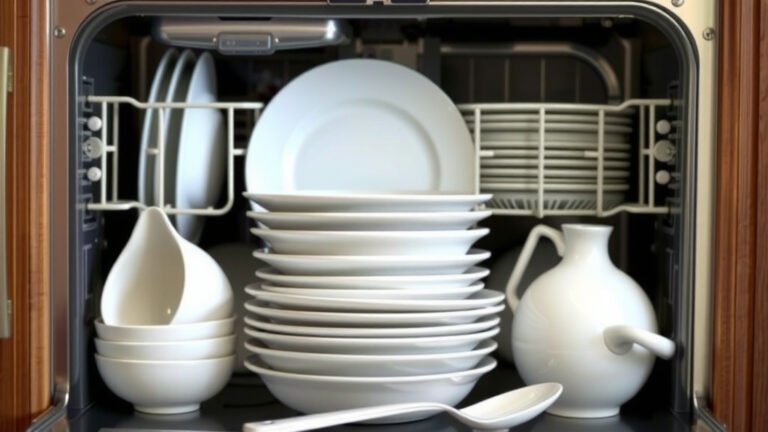
Packing dishes in like a game of Tetris feels efficient, but it backfires. When plates touch or bowls nest together, water can’t reach every surface. Detergent gets trapped between items and dries there.
Leave a little breathing room between dishes. Aim the spray arms’ path in mind, and never block the dispenser door with a pan.
Drainage Issues at the End of a Cycle
Dirty water that doesn’t fully drain redeposits residue as everything dries. Check the drain hose for kinks and the air gap for clogs. If you hear gurgling or find standing water at the bottom, drainage is likely your culprit.
Detergent Types and Why They Behave Differently
Not all detergents dissolve at the same speed. We found that the format you choose matters more than most people realize.
| Detergent Type | Dissolves Easily? | Best For | Watch Out For |
|---|---|---|---|
| Gel | Yes, quickly | Warm water homes | Loses power in cold water |
| Powder | Yes, if fresh | Controlling your dose | Clumps when damp |
| Pods | Only in hot cycles | Convenience | Fail to dissolve in short cycles |
Pods deserve a special mention. Their plastic film needs sustained hot water to break down. If you run short or eco cycles, the film may survive and smear across glasses. Many experts suggest pods work best in normal or heavy cycles. Our guide to a dishwasher pod not dissolving covers the five most common fixes.
Old or Clumpy Detergent Is a Hidden Culprit
Detergent expires. Powder absorbs moisture and turns into rocks. Gel separates. If your detergent looks off, smells weak, or clumps, replace it. Buy smaller containers and store them in a dry spot.
Rinse Aid: The Unsung Hero
Rinse aid does two jobs. It helps water sheet off dishes instead of pooling, and it carries leftover detergent away in the final rinse. If your dispenser is empty, residue has a much easier time sticking around.
Fill the dispenser and check it monthly. Many dishwashers have an indicator light, but it’s easy to ignore. We found that simply keeping rinse aid topped up fixes film for a lot of households. If you’re unsure it’s needed at all, our guide to dishwasher rinse aid explains when it matters.
When Hard Water Needs a Bigger Fix
If film keeps returning despite good habits, your water itself may need treatment. Options include:
- A whole-home water softener that removes minerals before water reaches any tap.
- Dishwasher-specific softening salts for machines with a built-in softener compartment.
- Boosters added directly to the detergent compartment each cycle.
The Mayo Clinic points out that hard water is safe to drink. It’s a cosmetic nuisance, not a health threat. Still, your glassware deserves better.

Your Quick-Fix Residue Checklist
Want to act today? Here’s the short list we put together from everything above.
- Run hot water at the kitchen sink before starting a cycle.
- Clean the filter and poke out spray arm holes with a toothpick.
- Use the recommended detergent amount, or slightly less.
- Refill the rinse aid dispenser and check it monthly.
- Space out dishes so water reaches every surface.
- Test your water hardness and add a booster if needed.
How to Tell If Residue Is Detergent or Something Else
Not all film is detergent. Etching, a permanent glass damage caused by soft water and harsh detergent, looks similar but never washes off. Try this test. Scrub one glass with straight white vinegar. If the cloudiness lifts, it was mineral or detergent residue. If it stays, that’s etching, and no cleaning will reverse it.
Knowing the difference saves you from chasing a problem that cleaning can’t fix. Vinegar is cheap. Peace of mind is cheaper.
Conclusion
That white film on your dishes isn’t a mystery anymore. It comes down to undissolved detergent, and the usual suspects are hard water, cold fills, overloading, and dirty machine parts. The good news is that nearly every cause has a simple fix you can handle yourself, often in under five minutes. We found that most households see clearer glassware within just a few cycles once they dial in their habits.
So here’s your next step: run the kitchen sink’s hot water, clean your filter, and top off the rinse aid dispenser tonight. Then run a normal cycle and check the results. Your dishes should come out sparkling again soon.
Frequently Asked Questions
Can I use vinegar in my dishwasher to remove residue?
Yes, but with care. Place a cup of white vinegar on the top rack and run a hot cycle without dishes to cut through mineral buildup inside the machine. Avoid pouring vinegar directly into the detergent dispenser regularly, as its acidity can wear down rubber seals over time.
Why do my dishwasher pods not dissolve completely?
Pods need sustained hot water to break down their outer film. Short, eco, or express cycles often don’t provide enough time or heat, so the film survives and smears across dishes. If pods keep failing, switch to a normal or heavy cycle, or try a gel or powder instead.
How often should I clean my dishwasher to prevent residue?
We found that a monthly routine works well for most homes. Rinse the filter every few weeks, wipe the door seals, and check the spray arm holes for debris. Once a month, run an empty hot cycle with a dishwasher cleaner or a cup of vinegar.
Does hard water leave residue on dishes even with good detergent?
It can, yes. Hard water minerals react with even the best detergent and stick to surfaces during the rinse. A rinse aid, a dishwasher detergent booster, or a machine with a built-in softener compartment usually solves the problem without replacing your favorite soap.
Is detergent residue on dishes safe to eat off?
Small traces are generally harmless, but nobody wants soap on their fork. A chalky film usually rinses off with a quick hand wash in vinegar water. If you taste soap or feel irritation, keep hand-rinsing affected dishes until you fix the underlying cause.