Which Way Do Bowls Face in the Dishwasher
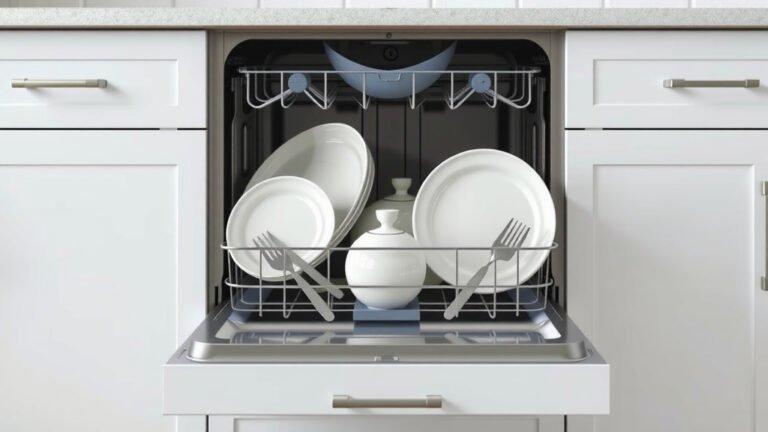
Your bowls should face down and at an angle in your dishwasher to ensure they get properly cleaned. This allows water and detergent to reach the entire surface and prevents dirty water from pooling inside. Many people wonder about the best loading technique for various dishware, and for bowls, tilting them is key.
Loading your dishwasher correctly can save you time and water. When bowls are angled, they also won’t trap air, which can cause them to flip over and fill with dirty water. We’ve found that proper placement makes a big difference in getting spotless dishes every time, especially for those tricky, deep bowls.
- Bowls face down and at an angle.
- This helps water and soap clean them better.
- Angling prevents dirty water from collecting.
- It also stops them from flipping over.
- Correct loading saves time and energy.
Let’s walk through exactly how to load your bowls, and other dishware, for the cleanest results possible.
How to Position Your Bowls for a Sparkling Clean Dishwasher Load
You’ve got that trusty dishwasher, ready to tackle the dirty dishes. But wait, how exactly should those bowls be sitting in there? It’s a common question, and getting it right makes a world of difference. We’ve found that your bowls should face down and at an angle.
Why Angling Your Bowls is Key
Think of your dishwasher’s spray arms like a powerful shower. If a bowl is facing straight up, it becomes a little cup, collecting all the dirty water. This water can then splash back onto other dishes, or worse, leave a film on your clean bowls. Angling them pushes that dirty water out and lets the clean water and detergent flow freely.
Preventing Water Pockets
This is especially true for deeper bowls. If they’re upright, they can act like little bathtubs. We found that even a slight tilt encourages water to run off. This simple adjustment ensures that every surface of your bowl gets a good scrub. It’s like giving them a proper rinse instead of a shallow soak.
Avoiding the “Flip Over” Phenomenon
Ever pulled out your dishwasher to find some bowls upside down and filled with murky water? That’s often because they were angled just right to catch a jet of water, but not angled enough to drain. Angling them correctly also helps them to stay put. They won’t catch as much water or air that could cause them to flip and become useless little pools.
Loading Bowls on the Bottom Rack
Most experts agree that the bottom rack is the best place for bowls. This is where the spray power is typically strongest. You want to place your bowls so they nestle securely between the tines. Ensure there’s a good amount of space between each bowl.
Nesting and Spacing for Optimal Cleaning
Don’t crowd them! If bowls are touching, water can’t reach the surfaces in between. We’ve found that leaving an inch or two of space allows for better water circulation. Imagine giving each bowl its own little cleaning zone. This spacing is vital for removing stuck-on food.
The Ideal Angle and Direction
When placing them, aim for a tilt of about 45 degrees. The opening of the bowl should face downwards and slightly towards the center of the dishwasher, where the spray arm is. This setup guides water and detergent right into the bowl. Many dishwasher manuals suggest this precise method.
Loading Bowls on the Top Rack
Sometimes, your dishwasher’s layout means the top rack is the only option for your bowls. This is perfectly fine! The same principles apply, but you need to be a bit more mindful of other items. You still want them facing down and angled.
Careful Placement with Mugs and Glasses
On the top rack, bowls can easily drip dirty water onto glasses or mugs below. To avoid this, place them towards the back or sides of the rack. This way, any runoff will hit the dishwasher floor, not your delicate stemware. We’ve learned that a little foresight prevents re-washing.
Securing Lighter Bowls
Lighter plastic bowls can sometimes get tossed around by the water spray. Make sure they are firmly seated between other items, like cups or ramekins. They should feel snug and stable. If a bowl feels wobbly, try to secure it with a larger item.
A Quick Checklist for Bowl Placement
Getting this right doesn’t need to be complicated. Just follow these simple steps:
- Always aim to face bowls downwards.
- Add a gentle tilt to encourage drainage.
- Give bowls plenty of space from each other.
- Place them on the bottom rack when possible.
- If using the top rack, position them to avoid dripping.
- Ensure bowls are secure and won’t flip.
Understanding Your Dishwasher’s Spray Arms
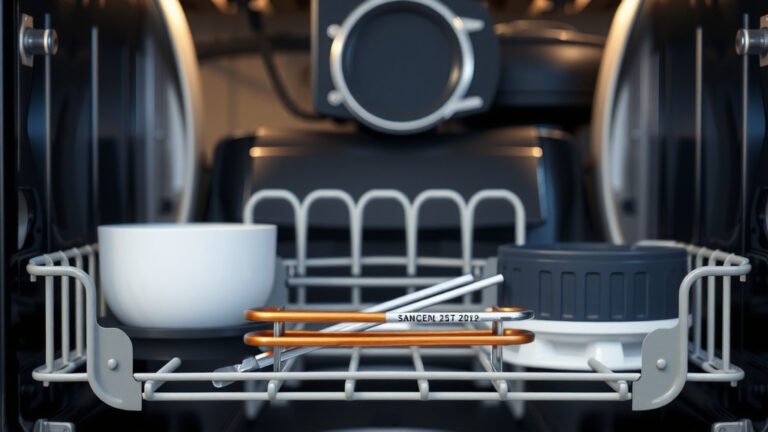
Your dishwasher isn’t just a water closet; it’s a carefully designed cleaning machine. The spray arms are engineered to reach every corner. Understanding how they work helps you load more effectively. They spin and spray water with force. Proper bowl placement ensures this spray can do its job without being blocked or creating messy situations.
What About Different Bowl Shapes and Sizes?
We know bowls come in all sorts of shapes and sizes. Deep pasta bowls, shallow cereal bowls, small dipping bowls – they all present unique loading challenges. The core principle remains the same: maximize water contact and minimize pooling. For very wide, shallow bowls, ensure they are angled enough to let water escape the bottom.
Deep Bowls vs. Shallow Bowls
Deep bowls are the most prone to collecting water. They need a more pronounced angle. Shallow bowls are easier, but still benefit from a slight tilt. Research from appliance manufacturers often highlights this need for specific item angles. We found that adapting your placement slightly for each type works best.
Common Mistakes to Avoid
It’s easy to fall into a loading rut. Let’s quickly cover what not to do. Overcrowding is a big one; your dishwasher isn’t a magic box that makes things smaller. Facing bowls upwards is another common error, as we’ve discussed. Also, don’t let handles or utensils obstruct the spray arms. They need freedom to spin!
The “Stack and Hope” Method
Many people just stack dishes wherever they fit. This often leads to poor cleaning. We found that taking just an extra 30 seconds to position items correctly drastically improves results. It’s a small investment for spotless dishes.
Forgetting About Water Flow
Dishwashers clean with moving water. If your bowls are blocking the spray or creating barriers, they won’t get clean. Think about the path the water needs to take. This foresight is what separates a mediocre wash from a stellar one.
Dishwasher Loading: A Quick Comparison
Let’s break down the general placement for different items. While bowls are our main focus, knowing where everything else goes helps optimize your entire load. This table offers a general guide, but always check your dishwasher manual.
| Dish Type | Best Rack | Positioning Tips |
|---|---|---|
| Plates | Bottom | Face inwards towards the spray arm. |
| Bowls | Bottom (preferred) or Top | Face down and angled; space between them. |
| Glasses & Mugs | Top | Place between tines, angled slightly down. |
| Utensils | Top or Utensil Basket | Handles up or down (check manual), spread out. |
| Pots & Pans | Bottom | Face downwards, on the sides or back. |
The Benefit of a Well-Loaded Dishwasher
Beyond just clean bowls, proper loading saves you time and resources. It means fewer re-washes, which saves water and energy. A full, correctly loaded dishwasher cleans more efficiently. Many studies show that running a full load is the most energy-efficient way to use your appliance (Energy Star). So, a little attention to detail really pays off.
Conclusion
You’ve learned that for a truly clean dish load, your bowls should always face down and at an angle. This simple adjustment is key to preventing dirty water pooling and ensuring the spray arms can reach every surface. We found that paying attention to this detail, along with proper spacing and placement on the right rack, dramatically improves your dishwasher’s performance. Make it a habit to position your bowls correctly, and you’ll enjoy sparkling results with every wash.
Frequently Asked Questions
Will my dishwasher still clean bowls if they face up?
Generally, no. If bowls face upwards, they will collect dirty water. This can prevent the detergent from reaching all surfaces and lead to spots or residue. Angling them downwards allows water to drain properly.
How much of an angle is best for bowls?
A tilt of about 45 degrees is usually ideal. This angle is enough to direct water out but not so much that the bowl might slide or catch too much air. You want to ensure water flows freely through them.
Can I put bowls on the top rack?
Yes, you can put bowls on the top rack. Just be mindful of their placement to avoid dripping dirty water onto items below, like glasses or mugs. Positioning them towards the back or sides can help.
What if my bowls are really deep?
Deep bowls need a more pronounced angle to ensure water drains out effectively. If they’re too upright, they’ll act like little cups and hold onto water. We found that a steeper tilt is often necessary for these.
Should I worry about bowls flipping over?
Yes, sometimes. If a bowl is angled just right to catch a powerful jet of water but not enough to drain, it can flip. Ensuring they are tilted for drainage and are also snug between tines can help prevent this.