Prevent Hard Water Spots: Simple Solutions
The best way to prevent hard water spots is to dry surfaces immediately after they get wet, especially in your bathroom and kitchen. For areas that already have spots, you can use a vinegar-based solution to break down the mineral deposits. This helps you keep your fixtures looking shiny and new.
Hard water contains high levels of dissolved minerals like calcium and magnesium. When this water dries on surfaces, these minerals are left behind as those stubborn, white spots. Many homeowners find these spots appearing on their shower doors, faucets, and dishes. We found that consistent cleaning and the right methods make a big difference in combating this common issue.
- Dry surfaces immediately after use.
- Use a vinegar solution for existing spots.
- Consider a water softener for your home.
- Wipe down shower doors and mirrors regularly.
- Clean faucets and sinks often.
Below, we’ll walk you through the most effective ways to tackle hard water spots and keep your home looking its best. You’ve got this!
Keeping Your Home Spotless: Tackling Hard Water Stains
Those pesky white spots you see on your glassware, shower doors, and faucets? They’re a common frustration for many homeowners. Hard water, rich in minerals like calcium and magnesium, is the usual culprit. When water evaporates, these minerals get left behind. They create those tough-to-remove spots. Fortunately, you can conquer these mineral deposits with the right approach. We’ve found that consistent, simple habits go a long way.
Everyday Habits to Prevent Water Spots
The best defense against hard water spots is a good offense. Making small changes to your daily routine can drastically reduce the number of spots you encounter. Think of it as a little upfront effort for a lot of long-term shine.
The Power of Immediate Drying
This is arguably the most effective way to prevent hard water spots. As soon as water touches a surface, minerals begin to set. Wiping down surfaces right after they get wet stops this process before it starts. You’ll notice a big difference on your shower doors, mirrors, and kitchen sinks.
Your Bathroom’s Best Friend: The Squeegee
After every shower, grab a squeegee. A quick pass over your shower doors and walls removes excess water. This prevents water from drying and leaving spots. It takes less than a minute and is incredibly effective. You can also use a clean microfiber towel for this purpose.
Kitchen Countertops and Sinks Need Love Too
Don’t forget about your kitchen! After washing dishes or rinsing produce, quickly wipe down your sink and faucet. Leaving water to air dry can lead to spots. A simple wipe-down with a towel keeps shiny surfaces looking their best.
Using the Right Cleaning Tools
The tools you use for cleaning matter. Some materials are better at preventing spots than others.
Microfiber Towels are Your Go-To
Microfiber towels are highly absorbent and gentle. They are excellent for drying surfaces without scratching. They can also pick up more water than traditional cotton towels. Keeping a few of these handy will make your spot-prevention efforts easier.
What to Avoid for Spot Prevention
Rough sponges or abrasive cloths can scratch surfaces. They can also leave lint behind. This can make your cleaning efforts less effective. Stick to soft cloths and squeegees for the best results.
Dealing with Existing Hard Water Spots
Even with the best preventative measures, you might still find some stubborn spots. Don’t worry, these can usually be tackled with natural cleaning solutions.
The Vinegar Solution: Your Natural Spot Buster
White vinegar is a fantastic natural cleaner. Its acidity helps to break down mineral deposits left by hard water. It’s safe for most surfaces when used correctly. Many homeowners rely on it as a go-to for tough spots.
How to Make and Use Your Vinegar Spray
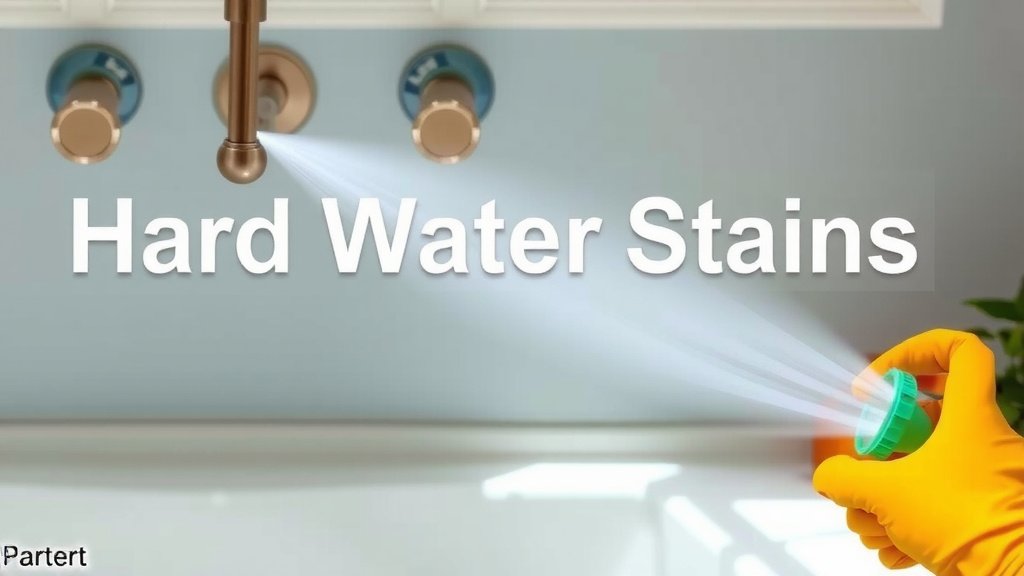
Mix equal parts white vinegar and water in a spray bottle. For tougher spots, you can use undiluted vinegar. Spray the solution directly onto the water spots. Let it sit for 5-10 minutes to allow the vinegar to work. Then, wipe the area clean with a damp cloth and rinse thoroughly. For faucets, you can soak a cloth in vinegar and wrap it around the fixture.
Vinegar for Shower Doors and Glass
Spray your vinegar solution on shower doors. Let it sit for a few minutes. Then, scrub gently with a soft cloth or sponge. Rinse well and dry immediately. This should remove most of the accumulated mineral buildup. You’ll be amazed at the shine!
Tackling Faucets and Fixtures
Soaking is key here. If you can remove the fixture, soak it in a bowl of vinegar. If not, wrap a vinegar-soaked cloth around it. Leave it for at least 30 minutes, or even overnight for very tough spots. Afterward, scrub with an old toothbrush and rinse. Your faucets will look brand new.
Baking Soda for Extra Scrubbing Power
Baking soda can be used alongside vinegar or on its own. It acts as a mild abrasive. It helps to scrub away stubborn mineral deposits. Create a paste by mixing baking soda with a little water. Apply the paste to the spots and let it sit briefly. Then, gently scrub with a soft cloth or sponge.
Long-Term Solutions for Hard Water Woes
If hard water is a constant battle in your home, you might want to consider more permanent solutions. These can save you a lot of time and effort in the long run.
The Benefits of a Water Softener
A whole-house water softener is the ultimate solution. It removes the minerals that cause hard water before it even enters your plumbing system. This means no more spots on dishes, sparkling shower doors, and longer-lasting appliances. While it’s a bigger investment, it offers significant relief from hard water problems.
Research from organizations like the Environmental Protection Agency (EPA) highlights the effectiveness of water softeners in reducing mineral content.
Installing Faucet Filters and Showerheads
For a less intensive approach, consider installing a filtered showerhead or faucet filter. These devices can reduce the mineral content of the water. They offer a good compromise if a whole-house system isn’t feasible. Many are easy to install yourself.
Quick Checklist for Spot-Free Living
Ready to put these tips into action? Here’s a quick reminder to keep those spots at bay:
- Always dry shower doors and mirrors after use.
- Wipe down sinks and faucets daily.
- Keep a microfiber cloth handy for quick cleanups.
- Use a vinegar-and-water spray for regular cleaning.
- Consider faucet filters for problem areas.
- Invest in a water softener if hard water is severe.
Conclusion
You’ve learned that preventing hard water spots is totally achievable. By incorporating simple daily habits like immediate drying with microfiber cloths, you can keep your surfaces gleaming. For those persistent spots, a DIY vinegar solution is your best friend for breaking down mineral buildup. If hard water is a constant battle, consider a water softener for a long-term fix. Start with the easy steps today, and enjoy a spot-free home!
Frequently Asked Questions
How often should I squeegee my shower doors?
You should squeegee your shower doors after every use. This simple habit is incredibly effective at preventing water from drying on the glass. It takes less than a minute and makes a huge difference in reducing spots.
Can I use other natural cleaners besides vinegar?
Yes, while vinegar is highly effective, you can also use a baking soda paste for scrubbing. Mix baking soda with a little water to form a paste. This mild abrasive can help lift stubborn mineral deposits when gently scrubbed onto the spots. You can also use a baking soda paste for scrubbing stubborn mineral deposits.
Will a water softener fix spots on my dishes?
A whole-house water softener is the most effective way to prevent spots on dishes. By removing minerals from your water supply, it stops the deposits from forming in the first place. This also protects your dishwasher and other appliances.
Are filtered showerheads as good as a whole-house system?
Filtered showerheads can help reduce mineral content and thus spots, but they are not as comprehensive as a whole-house water softener. They treat only the water from that specific showerhead, offering a partial solution for a specific area.
What’s the best way to clean mineral buildup from a faucet?
For faucets, soaking is often best. You can wrap a cloth soaked in a vinegar-water solution around the fixture, or if removable, soak the entire piece in vinegar. Let it sit for at least 30 minutes to break down the minerals before scrubbing gently and rinsing.