
Stop Dishwasher Mold: Easy Prevention Tips
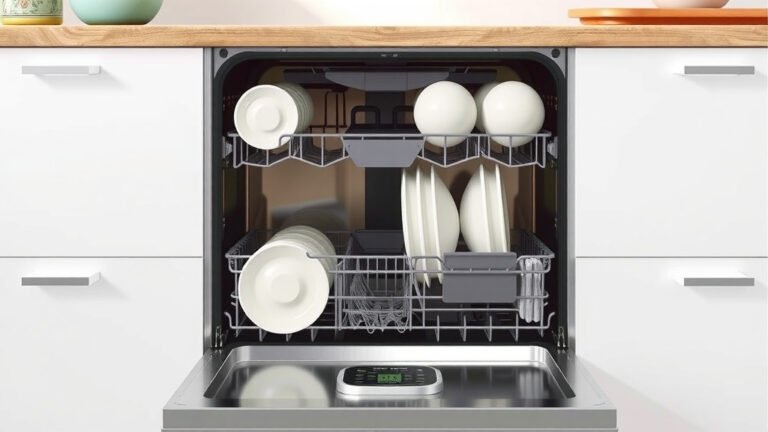
The easiest way to prevent dishwasher mold is to run your dishwasher regularly and keep the door ajar between cycles. Mold thrives in damp, stagnant environments, so these simple habits are your first line of defense. Addressing mold promptly also means cleaning the filter and the door seals to remove any lingering spores. Keeping your dishwasher clean helps prevent Addressing mold promptly also means cleaning the filter and the door seals to remove any lingering spores, which helps prevent unpleasant odors.unpleasant odors and potential health issues.
Beyond regular use, maintaining your dishwasher involves a few key practices. We found that leaving the door slightly open after a cycle allows air to circulate, which is vital for drying. Cleaning the interior, especially the drain filter and rubber gaskets, removes trapped food particles and moisture where mold loves to grow. Many experts agree that a clean dishwasher runs more efficiently and prevents hidden mold buildup.
- Run your dishwasher often to keep water moving.
- Leave the door open a bit after cycles for air flow.
- Clean the filter and door seals regularly.
- Wipe down the interior after unloading.
Ready to get your dishwasher sparkling and mold-free? Let’s walk through the best ways to tackle and prevent this common kitchen problem.
You’ve probably noticed a faint musty smell coming from your dishwasher, or maybe even seen a fuzzy patch or two. That’s the tell-tale sign of mold or mildew, and nobody wants that lurking around their dishes. The good news is, you can prevent it from taking hold with a few smart habits. Let’s get into how to keep your dishwasher smelling fresh and functioning at its best.
Keeping Your Dishwasher Mold-Free: A Practical Guide
Preventing dishwasher mold is all about denying it the conditions it needs to grow. Mold loves moisture and darkness, so we need to make your dishwasher as uninviting as possible for these tiny troublemakers. It’s not rocket science, just some simple, consistent care.
The Power of Regular Use and Airflow
You might be surprised to learn that one of the best defenses against mold is simply using your dishwasher regularly. When a dishwasher sits idle for too long, residual moisture can linger, creating the perfect breeding ground. Running it frequently flushes out old water and keeps things moving.
Beyond just running it, think about what happens after the cycle. We’ve found that leaving the door slightly ajar between washes makes a huge difference. This simple step allows for proper air circulation, helping to dry out the interior surfaces. Even a small gap is enough to let damp air escape.
Don’t Forget the Filter: A Mold’s Favorite Hangout
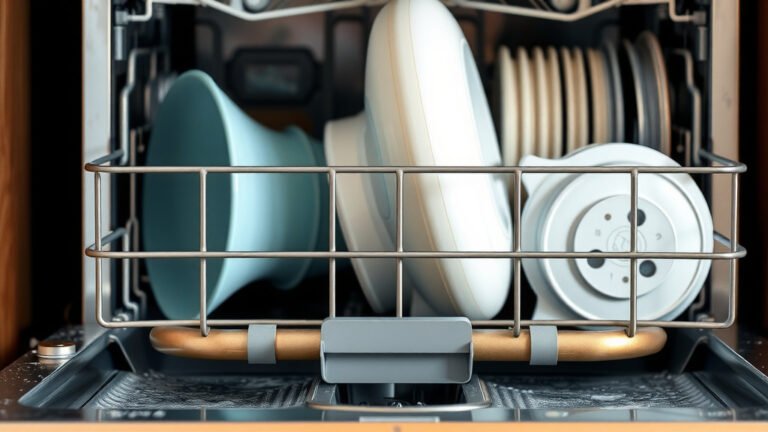
The dishwasher filter is often overlooked, but it’s a prime spot for food debris and moisture to collect. This gunk is a feast for mold. Cleaning it regularly is one of the most effective ways to prevent buildup and smells.
Where to Find and How to Clean Your Filter
Most dishwasher filters are located at the bottom of the tub. You’ll usually need to twist or lift them out. Consult your dishwasher’s manual if you’re unsure of its exact location or removal process. Once removed, rinse it thoroughly under warm running water. You can use a soft brush to gently scrub away any stubborn bits. For a deeper clean, a little dish soap can help.
We found that many manufacturers recommend cleaning the filter at least once a month, or more often if you notice any signs of odor or visible debris. A clean filter ensures water drains properly and reduces the chances of mold taking root.
Tackling Those Pesky Door Seals and Gaskets
The rubber seals around your dishwasher door are another place mold loves to hide. They trap moisture and food particles, creating a damp, dark environment. Regularly wiping these down is essential.
A Simple Wipe-Down Strategy
After unloading your clean dishes, take a damp cloth and wipe along the entire length of the door seal. Pay special attention to the crevices where moisture and food bits can get stuck. Many experts suggest using a diluted vinegar solution for this task, as vinegar has natural antimicrobial properties.
We found that making this a quick habit after every few loads can prevent mold from ever getting a chance to establish itself. It only takes a minute and can save you a lot of trouble down the line. This is a key step in maintaining a healthy appliance.
Deep Cleaning Your Dishwasher for Mold Prevention
Sometimes, a quick wipe-down isn’t enough. If you suspect mold has already started or want to give your dishwasher a thorough cleaning, a deeper approach is needed. This involves cleaning the entire interior, not just the parts you see every day.
The Vinegar Cleanse: Nature’s Mold Fighter
White vinegar is a fantastic, natural cleaner that can kill many types of mold and mildew. It’s also safe for use in your dishwasher and doesn’t leave behind any harsh chemical residues.
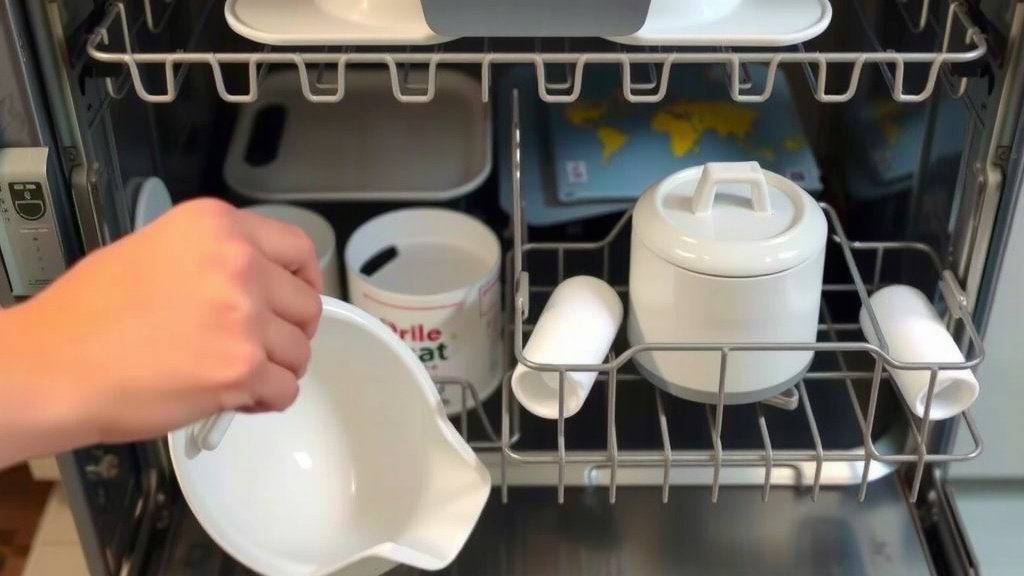
Here’s a simple way to do it: Place a cup of white vinegar in a dishwasher-safe bowl on the top rack of your empty dishwasher. Run the dishwasher on a hot water cycle. The vinegar will circulate throughout the machine, killing mold spores and deodorizing. We found this method to be very effective at tackling odors and mild mold issues.
Baking Soda for Extra Cleaning Power
For a bit more scrubbing power or to deal with tougher spots, baking soda is your friend. It acts as a mild abrasive and can help remove stains and lingering odors.
After the vinegar cycle, sprinkle about a cup of baking soda on the bottom of your dishwasher. Run it again on a short, hot water cycle. This combination of vinegar and baking soda is a powerful duo for keeping your dishwasher clean and fresh. Many cleaning guides recommend this two-step process for a For a deeper clean, consider using vinegar and baking soda; our guide explains how.thorough appliance refresh.
Don’t Forget the Spray Arms and Interior Surfaces
Mold can also grow on the spray arms themselves, potentially clogging the small holes and affecting cleaning performance. Regularly check these for any buildup and clean them with a toothpick or a small brush.
Wipe down all interior surfaces, including the walls, the bottom of the tub, and the inside of the door. A clean cloth, perhaps dampened with that diluted vinegar solution, will work well. We found that paying attention to these often-forgotten areas ensures a truly clean environment.
Preventative Maintenance Checklist
Keeping your dishwasher mold-free doesn’t have to be a chore. By incorporating these simple steps into your routine, you can ensure a clean, fresh-smelling appliance and sparkling dishes.
- Run your dishwasher at least once a week.
- Leave the door ajar after cycles to allow drying.
- Clean the filter monthly or as needed.
- Wipe door seals and crevices regularly.
- Perform a deep clean (vinegar/baking soda) every 2-3 months.
- Check spray arms for clogs.
By following these practices, you’re not just preventing mold; you’re also ensuring your dishwasher runs more efficiently and keeps your dishes cleaner. It’s a win-win for your kitchen and your peace of mind!
Conclusion
You’ve learned that keeping your dishwasher mold-free is simpler than you might think. It’s all about consistent habits and a little attention to detail. Regularly running your dishwasher and allowing for airflow are your primary defenses. Don’t forget to clean that often-overlooked filter and those tricky door seals. We found that a monthly deep clean with natural ingredients like vinegar and baking soda can really make a difference.
Your next step is to make these actions a part of your routine. Try adding a quick seal wipe-down after unloading. You’ll enjoy a fresher kitchen and cleaner dishes!
Frequently Asked Questions
How often should I run my dishwasher to prevent mold?
To keep mold at bay, aim to run your dishwasher at least once a week. This regular use helps flush out moisture and prevents stagnant water from lingering, which is key to mold prevention.
Can I use bleach to clean my dishwasher mold?
While bleach can kill mold, it’s generally not recommended for regular dishwasher cleaning. Harsh chemicals can damage some dishwasher components and leave residues. Vinegar and baking soda are safer, natural alternatives.
What if my dishwasher always smells musty, even after cleaning?
A persistent musty smell often indicates hidden mold or a drainage issue. Ensure your filter is thoroughly clean, check for clogs in the spray arms, and consider running a hot vinegar cycle to tackle any remaining spores.
How do I prevent mold on my dishes from the dishwasher?
Mold on dishes usually means mold is present in the dishwasher itself. Ensuring your dishwasher is clean, running hot cycles, and allowing dishes to dry completely after the cycle can help prevent this.
Is it okay to leave the dishwasher door open all the time?
Leaving the door slightly ajar after a cycle is great for air circulation and drying. However, keeping it fully open all the time might not be practical and could be a tripping hazard. Just a small gap is usually sufficient for airflow.