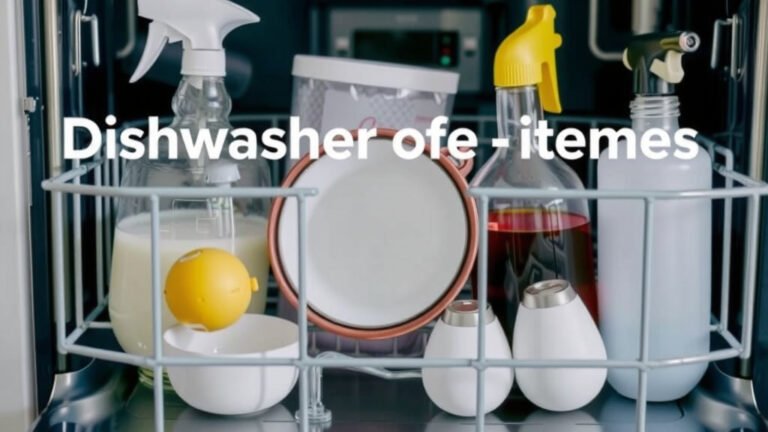
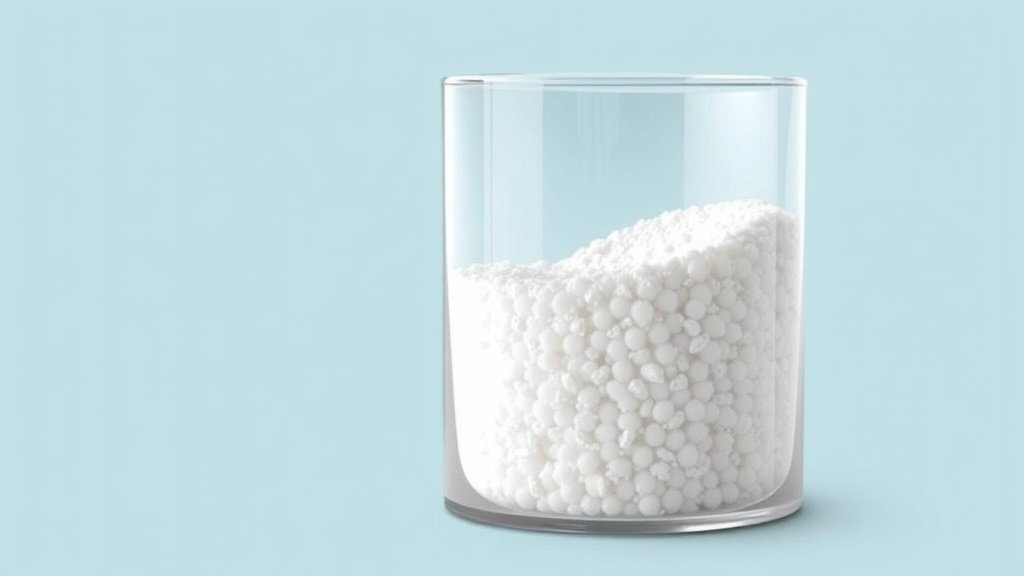
7 Dishwasher Salt Alternatives That Actually Work in 2026
Yes, you can use substitutes for dishwasher salt — the most common options are table salt mixed with water in a pinch, or a small amount of citric acid to fight hard water spots. But here’s the catch: real dishwasher salt is cheap, and some alternatives can actually hurt your machine over time. So before you raid your kitchen cabinet, it pays to know which swaps are safe.
Why does this even matter? If you live in a hard water area, your dishwasher relies on salt to soften the water and stop limescale from building up. We researched common household substitutes and found that while a few work in a pinch, many experts say cheap dishwasher salt is still the smartest long-term choice. Some swaps, like coarse rock salt, can damage the softener unit.
Quick rundown before we dig in:
- Table salt works as a short-term backup, but its additives can clog your softener.
- Citric acid or white vinegar can help with hard water spots in the rinse cycle.
- Road salt or water softener pellets are a hard no — they can wreck your machine.
- Dishwasher salt is surprisingly cheap, so substitutes usually aren’t worth the risk.
- Not sure if you even need salt? Check your water hardness level first.
Below, we break down every alternative worth considering, which ones to avoid at all costs, and how to keep your dishwasher running smoothly without spending extra.
Safe Swaps for Your Dishwasher’s Salt Compartment
When you’re out of dishwasher salt, your safest short-term options are dissolved table salt or a spoonful of citric acid in the rinse aid slot. Both can tide you over for a load or two. But they’re band-aids, not cures.
We researched what actually happens inside your machine when you swap things out. Here’s the honest picture, substitute by substitute.
Table Salt: The Emergency Backup
Regular table salt is sodium chloride, just like dishwasher salt. The difference? Table salt usually contains anti-caking additives and sometimes iodine. Those additives don’t dissolve well and can gunk up your softener unit.
If you must use it, we found that dissolving it fully in warm water first helps. Use it once or twice, then restock. Think of it like using a spare tire — fine to get home, bad as a daily plan.
Citric Acid: The Spot Fighter
Citric acid doesn’t soften water, but it dissolves mineral deposits left behind by hard water. Toss a tablespoon into the rinse cycle or run an empty cycle with it to cut down on cloudy glasses.
Many cleaning guides recommend citric acid for descaling dishwashers because it’s food-safe and cheap (Mayo Clinic notes its use as a common household acid cleaner). Just don’t pour it into the salt compartment — that’s not where it works.
White Vinegar: The Kitchen Classic
Vinegar works a lot like citric acid. A cup of distilled white vinegar in a dishwasher-safe bowl on the top rack can loosen limescale during an empty cycle.
One warning: vinegar is acidic enough to bother rubber seals if you use it constantly. Once a month? Sure. Every load? Your door gasket will eventually file a complaint.
Substitutes You Should Never Use
Some swaps sound smart but can cost you hundreds in repairs. We found that these are the ones experts consistently warn against.
Road Salt and Rock Salt
Road salt contains chemicals and impurities meant for melting ice, not for your appliances. Coarse crystals can jam the softener and corrode internal parts. Never put it anywhere near your machine.
Water Softener Pellets
Those big bags for whole-house softeners look tempting at the hardware store. But the pellets are pressed with binders and additives that don’t dissolve the way dishwasher salt does. They can clog the brine chamber. Skip them, even though the price per pound seems like a steal.
Kosher Salt and Sea Salt
Both are purer than table salt, which sounds great. The problem is grain size. Large flakes don’t dissolve evenly, so your softener gets inconsistent results. Plus, gourmet prices make this the most expensive bad idea on the list.
How Dishwasher Salt Actually Works
Your dishwasher has a built-in ion exchange softener. Hard water is full of calcium and magnesium, and the softener swaps those minerals for sodium. Salt is what “recharges” the resin beads so they keep working.
According to the U.S. Geological Survey, hard water is common across much of the country, so this little system matters more than most people realize. No salt means limescale builds up on heating elements, spray arms, and your dishes.
| Substitute | Safe to Use? | Where It Goes | Best For |
|---|---|---|---|
| Dissolved table salt | Short-term only | Salt compartment | Emergency backup |
| Citric acid | Yes, in rinse cycle | Detergent or rinse slot | Hard water spots |
| White vinegar | Yes, occasionally | Top rack bowl | Descaling |
| Road salt | Never | — | Nothing |
| Softener pellets | Never | — | Whole-house systems only |
Do You Even Need Dishwasher Salt?
Here’s a question worth asking before you buy any substitute: is your water actually hard? If you’re on soft municipal water or a whole-house softener, your dishwasher may barely touch its salt reservoir.
Many experts say checking your water hardness first can save you money and hassle. You can buy a cheap test strip at any hardware store, or check your local water quality report — the EPA requires water utilities to publish annual consumer confidence reports with mineral levels.
Reading Your Water Hardness Level
Hardness is measured in grains per gallon (GPG). Under 3.5 GPG, you can usually run your dishwasher with little or no salt. Between 3.5 and 7, use salt regularly. Above 7, salt is non-negotiable unless you want cloudy glassware and a crusty heating element.
Signs Your Dishwasher Needs Salt
Most modern machines have a salt warning light on the control panel. If yours doesn’t, watch for these clues instead:
- Glasses come out cloudy or streaked even with rinse aid.
- You notice a white, chalky film on the interior walls.
- Food residue sticks more than it used to.
- The water feels slippery or soap won’t lather properly.
- White crust builds up around the door and spray arms.
- Your machine runs but dishes feel squeaky-dry and gritty.

What Happens If You Skip Salt Entirely
Skipping salt won’t kill your dishwasher overnight. But over months, limescale slowly chokes the heating element and spray jets. That means longer cycles, higher energy bills, and eventually a repair call.
Research on hard water appliances, including studies summarized by the Water Quality Research Foundation, has found that soft water helps appliances run more efficiently and last longer. In other words, a few dollars of salt protects a machine worth several hundred dollars. The math isn’t close.
Buying Tips to Never Run Out Again
The easiest substitute is not needing one. We found that a little planning beats every hack on this list.
- Buy in bulk: a large bag costs about the same as two movie snacks and lasts months.
- Set a refill reminder: check the reservoir the first of every month.
- Store it near the machine: convenience beats willpower every time.
- Pair it with rinse aid: together they handle spotting and film.
- Check your hardness twice a year: water sources can change seasonally.
Keeping Your Dishwasher Healthy Without Overspending
Substitutes have their place, but your machine’s long-term health comes down to three habits: use the right salt, run a cleaning cycle monthly, and scrape plates instead of pre-rinsing. Manufacturers like Bosch and Miele include cleaning cycles for a reason — using them prevents most mineral-related problems before they start.
And if you’re staring at a salt-light warning right now with no salt in the house? A dissolved-table-salt mix will carry you through tonight’s load. Then do yourself a favor and grab a real bag this weekend. Your glasses — and your wallet — will thank you.
Conclusion
Here’s the bottom line: dishwasher salt alternatives exist, but most are stopgaps, not solutions. Dissolved table salt and citric acid can carry you through an emergency load or two. What they can’t do is replace a softener system running on the right salt, week after week. We found that the people with the healthiest dishwashers rarely hunt for hacks — they check their water hardness, keep a spare bag on hand, and refill before the light comes on. That’s it. So here’s your next step: test your water hardness this week, and if you’re above 3.5 GPG, add a bag of dishwasher salt to your next shopping run. It’s the cheapest insurance your machine will ever get.
Frequently Asked Questions
Can I run my dishwasher without salt at all?
You can, but only if your water is genuinely soft. Under about 3.5 grains per gallon, most machines do fine with an empty reservoir. In hard water areas, skipping salt leads to limescale buildup that shortens your dishwasher’s lifespan.
Can I use Epsom salt in my dishwasher’s salt compartment?
No — Epsom salt is magnesium sulfate, not sodium chloride, so it won’t recharge the softener resin. It may leave residue behind as well. Stick with proper dishwasher salt or a dissolved table salt mix in a true pinch.
Does dishwasher salt go into the detergent slot?
It doesn’t. Dishwasher salt goes into a separate reservoir, usually at the bottom of the tub near the spray arm or filter. Pouring it into the detergent dispenser just wastes it and can affect your wash.
How long does a bag of dishwasher salt last?
It depends on your water hardness and how often you run loads. For a typical household with moderately hard water, a standard bag often lasts several months. If your reservoir empties faster than expected, your water is probably harder than you thought.
Is dishwasher salt the same as the salt in dishwasher detergent tablets?
No, they do different jobs. Some all-in-one tablets contain small amounts of softening agents, but they can’t refill your machine’s built-in softener. If your dishwasher has a salt compartment, it still needs its own salt — even when you use multipurpose tablets.