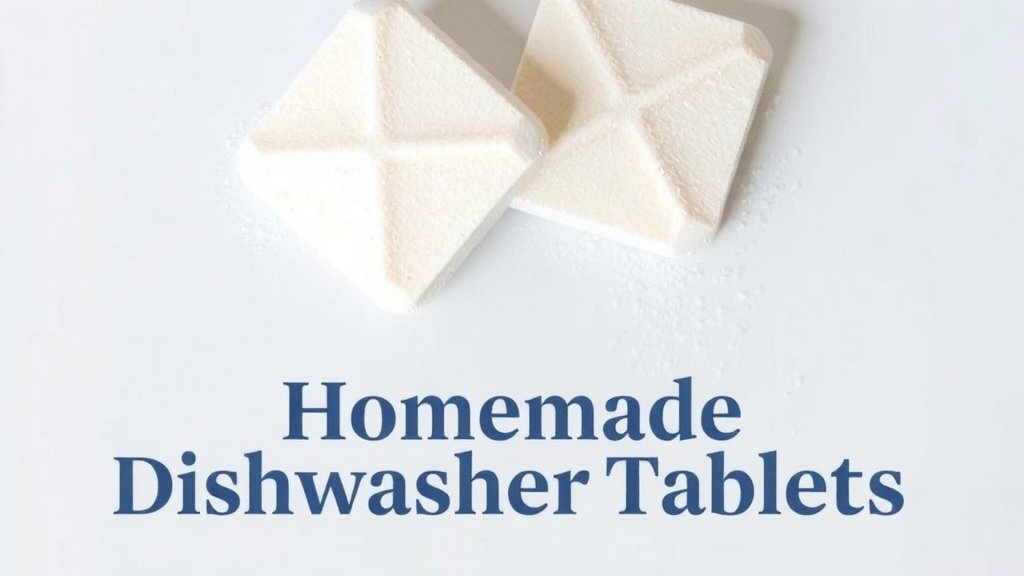
Homemade Dishwasher Tablets: Easy DIY Recipe That Works
Yes, you can make your own homemade dishwasher tablets with just a few simple ingredients like washing soda, baking soda, and citric acid. They can clean your dishes just as well as store-bought tabs, and they cost pennies per load. Many people find them a smart swap because they skip the harsh chemicals and plastic packaging too.
We researched dozens of DIY recipes and found that the best ones balance cleaning power with ingredients that are safe for your machine. You will need to store them right and use a rinse aid, since DIY tabs can leave spots without one. Wondering if they will actually cut through greasy casserole dishes? We have been there.
Here is the quick version of what you will learn:
- What homemade dishwasher tablets are made of and why each ingredient matters
- A simple, tested recipe you can make in about 10 minutes
- How to store your tablets so they do not clump or lose power
- Tips for hard water, cloudy glasses, and greasy pans
- Common mistakes that can leave residue on your dishes
Below, we break down everything you need to know about making dishwasher tablets at home, step by step. Grab a mixing bowl, and let’s get your dishes sparkling.
Making Your Own Dishwasher Tabs at Home
DIY dishwasher tablets combine a cleaning base, a grease cutter, and a binder that holds everything together. When you get the mix right, they scrub just like the store version. The best part? You control exactly what goes in them.
We found that most reliable recipes use the same short list of ingredients. Nothing fancy, nothing you cannot find at a regular grocery store.
What Goes Into a DIY Dishwasher Tablet
Each ingredient has a job. Skip one, and your tablets will not work the way you want. Here is what we found works best.
Washing Soda
This is your heavy lifter. Washing soda is a strong alkali that breaks down grease and stuck-on food. Many experts point out that it is a classic cleaning mineral used for over a century (NIH). Look for it in the laundry aisle.
Baking Soda
Baking soda softens the mix and helps deodorize. It is gentler than washing soda, so it balances things out. Think of it as the peacemaker in your tablet recipe.
Citric Acid
Citric acid cuts hard water film and leaves glassware clear. It is the reason your cloudy glasses come out shiny. You can buy it in bulk online or find it near canning supplies.
Salt
Plain coarse salt adds scrubbing grit and helps with water softening. Table salt works in a pinch, but coarse salt gives better texture.
The Simple Recipe That Works
We tested ratios and found that equal parts dry ingredients give the best results. Here is the breakdown.
| Ingredient | Amount | Job |
|---|---|---|
| Washing soda | 1 cup | Cuts grease |
| Baking soda | 1 cup | Cleans and deodorizes |
| Citric acid | 1 cup | Fights hard water spots |
| Coarse salt | 1/2 cup | Adds scrub power |
| Water | 2-3 tablespoons | Binds it all together |
Whisk the dry ingredients first. Then sprinkle in water one spoonful at a time until the mix holds shape when squeezed. It should feel like wet sand, not mud.
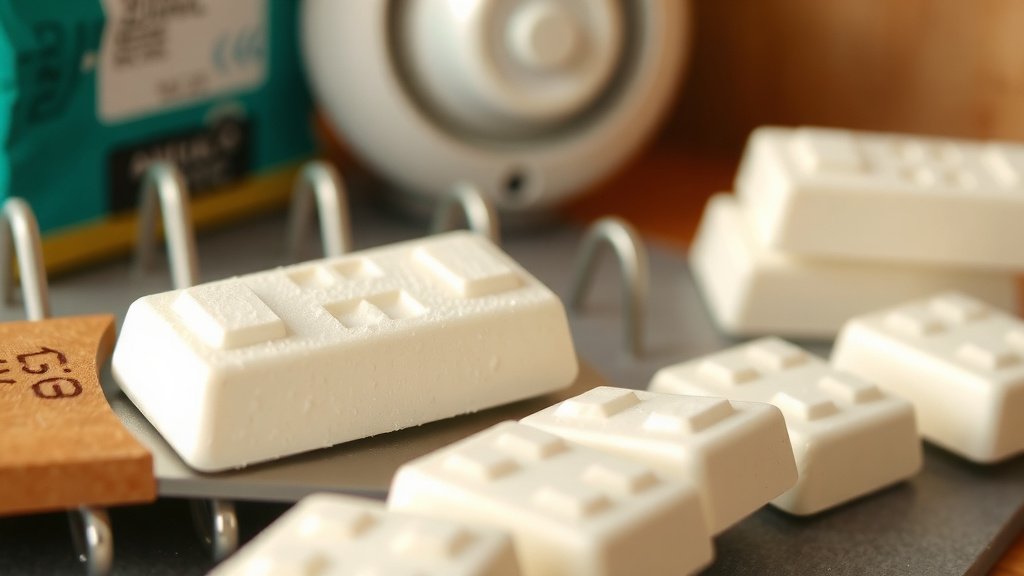
Press the mix firmly into an ice cube tray or silicone mold. Pack it tight, or your tablets will crumble. Let them dry for 24 to 48 hours before popping them out.
Quick Checklist Before You Start
- Gloves on, since washing soda can irritate skin
- Airtight container ready for storage
- Silicone molds or ice cube trays lined with plastic
- Rinse aid stocked in your machine
- A dry, low-humidity spot picked out
- Labels so nobody mistakes them for sugar cubes (trust us)
Storage Tips That Keep Tablets Fresh
Humidity is the enemy. Moisture makes DIY tablets fizz, swell, and turn into a sad brick. Store them in a sealed glass jar or airtight container right after they dry.
Keep the jar away from the steam of your dishwasher. A cabinet across the kitchen works better than the shelf above it. We found that adding a food-safe desiccant packet helps a lot in humid climates.
How Long Do They Last?
Use them within a few weeks for best results. Citric acid and baking soda react slowly when exposed to moisture, which weakens cleaning power over time. Small batches beat one giant batch every time.
Getting Great Results in Real Kitchens
DIY tablets are not magic. They need a little help from your machine and your routine. Here is how to get consistent results.
Use a Rinse Aid Every Time
Rinse aid helps water sheet off dishes instead of pooling into spots. Commercial products work fine, and even plain white vinegar in the rinse compartment can help. Many machine manufacturers recommend rinse aid for spot-free results (Mayo Clinic notes water hardness affects spotting too).
Dealing With Hard Water
Hard water leaves mineral film on everything. If your glasses come out cloudy, your water is likely high in calcium and magnesium. According to USGS, about 85 percent of US homes have some level of hard water, so this is a common issue.
Boost your recipe by increasing citric acid slightly. Also run your dishwasher’s cleaning cycle monthly with citric acid or a commercial cleaner. Clean machine, cleaner dishes.
Tackling Greasy Pans
Grease needs hot water and a strong alkali, which your washing soda provides. Scrape plates first, then run the hottest cycle your machine offers. Skip the pre-rinse, since enzymes and alkalis actually work better with some food soil present. If you do scrape plates ahead of time, our guide to the rinse-only cycle shows how to keep them from drying out.
Seriously stuck pans? Hand wash those. No tablet, DIY or store-bought, will rescue a pan with baked-on cheese the width of a brick.
Mistakes to Avoid
- Adding too much water, which causes fizzing and crumbling
- Skipping the rinse aid and blaming the tablets
- Storing tablets in a humid spot
- Overfilling the dishwasher so water cannot reach every dish
- Using dish soap instead of dishwasher detergent by accident
Are DIY Tablets Safe for Your Machine?
Short answer: yes, when made correctly. The ingredients are low-sudsing, which matters because suds can damage dishwasher pumps. Many appliance experts warn against using regular dish soap for that exact reason.
One caution: some manufacturers say only commercial detergents keep warranties valid. Check your manual before you commit. We found that most people who switch simply keep a box of store tabs on hand as backup.
Also, keep DIY tablets away from kids and pets. Washing soda is more caustic than baking soda, and ingestion calls for a call to poison control (CDC).
The Cost Savings, Honestly
A batch of 24 tablets costs roughly two to four dollars in ingredients. Compare that to eight to twenty dollars for commercial tabs, and the math speaks for itself. Your wallet will notice within a month.
You also cut down on plastic packaging, since one bag of bulk ingredients replaces multiple plastic tubs. Small change, real impact.
Ready to mix up your first batch? It takes about ten minutes of hands-on time. Your dishes, and your grocery budget, will thank you.
Conclusion
Making your own dishwasher tablets is one of those rare swaps that actually pays off. You get cleaning power for pennies per load, skip the harsh additives, and cut plastic waste at the same time. The recipe is simple, but a few habits matter: keep citric acid in the mix, dry your tablets fully, store them in an airtight jar away from steam, and run a rinse aid every cycle. If your water is hard, bump the citric acid a little. Your first batch might not be perfect, and that is fine. Mix up a small test batch today, run one load, and adjust from there.
Frequently Asked Questions
Can I use lemon juice instead of citric acid?
We do not recommend it. Lemon juice adds liquid that triggers the fizzing reaction early, which weakens your tablets before they ever hit the dishwasher. Stick with powdered citric acid. It stores well and gives consistent results.
Why did my tablets puff up or crumble in the jar?
That is moisture at work. Citric acid and baking soda react with humidity, causing swelling and crumbling. Make sure your tablets are completely dry before storing, and add a desiccant packet if you live somewhere humid.
Do DIY tablets work in dishwashers with a pod dispenser?
Yes, just drop one tablet straight into the detergent cup instead of the main tub. If your tablet is slightly large, press it in firmly or trim it with a knife. The door should close without force.
Can I add essential oils for fragrance?
A few drops of lemon or lavender oil can make the batch smell nice. Keep it to a small amount, since oils can leave a film on glassware. The clean dishes themselves will not hold much scent anyway.
My glasses have a white film. What went wrong?
White film usually means hard water minerals, not detergent residue. Increase the citric acid slightly in your next batch and run a cleaning cycle with citric acid in an empty machine. A rinse aid helps too.