Best Dishwasher Detergent for Baby Bottles: Safe Picks 2026
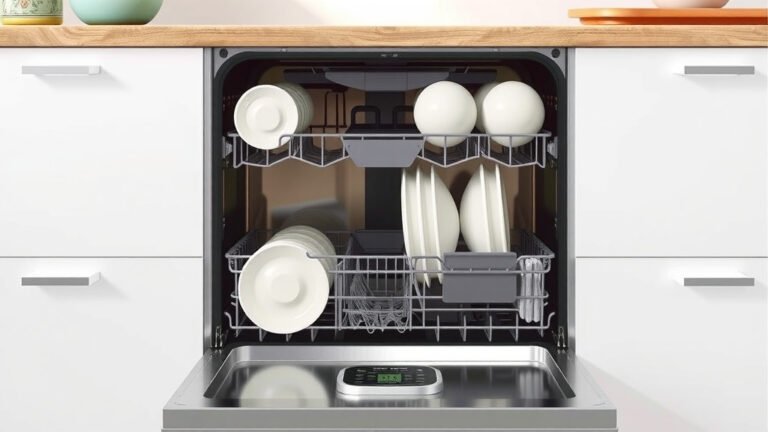
Yes, you can wash baby bottles in the dishwasher, and using regular dishwasher detergent is safe for most bottles — as long as you rinse them well and pick a gentle formula. Many experts say standard detergents work fine because bottles get rinsed and sterilized afterward anyway. The real trick is choosing a detergent without harsh dyes, fragrances, or residue.
We researched this topic and found that the biggest concerns for parents are soap residue, plastic damage, and whether dishwasher heat warps bottle parts. Good news: all three are easy to avoid with a few simple habits. From baby-safe detergent picks to bottle placement tips, there’s a lot you can do to make dishwashing work for you.
- Yes, most baby bottles are dishwasher-safe — check the label on yours.
- Pick a detergent that’s free of dyes, fragrances, and chlorine.
- Rinse bottles right after feedings so milk doesn’t dry on.
- Place small parts (nipples, rings, valves) in a closed basket.
- Sterilize bottles occasionally, even if the dishwasher does a hot cycle.
Below, we break down everything you need to know about dishwasher detergent for baby bottles — what to look for, what to skip, and how to get bottles truly clean. Let’s dig in.
Safe Dishwashing for Baby Bottles
You can safely wash most baby bottles in the dishwasher, but you must use a gentle, baby-safe formula for the best results. Always follow the manufacturer’s instructions on your bottle, but generally, the key is selecting a mild detergent and rinsing thoroughly after the cycle.
What You Need to Check on Detergent Labels
We want you to feel confident every time you load your rack. When you look at a bottle of detergent, don’t just look at how it looks on the shelf. You are looking for a specific list of ingredients that keep your baby healthy. Many experts suggest reading the label as if you are checking a food ingredient list.
Avoid Harsh Chemicals
The biggest red flag in any cleaning product is the presence of hard chemicals. These substances can linger on dishes and, when ingested by a baby, cause discomfort. We recommend steering clear of products containing chlorine bleach or strong ammonia. These chemicals are much stronger than what is needed for delicate baby plastic.
You should also look closely at fragrances. While some brands claim they smell “clean,” those scents are often strong synthetic perfumes. Babies have sensitive skin, and these artificial smells can sometimes irritate their digestive systems. Many guidelines point to selecting unscented options (Mayo Clinic).
Ingredient Types to Look For
Instead of focusing only on what to avoid, look for what to seek out. You want mild surfactants that break down milk and grease without leaving a sticky film. Formulas designed for newborns are your best friends here because they have been specifically tested for sensitive mouths.
A good, simple detergent will usually list “Plant-derived ingredients” or “pH neutral” on the bottle. A pH neutral cleaner is much less abrasive on plastic and less likely to leave residue. We found that these subtle ingredients make a huge difference in the final outcome.
Best Choices for Delicate Baby Gear
Selecting the right wash is part of the process of giving your little one the cleanest gear. We have researched various formulas to help you choose the safest option. Remember, the goal is clean, not just sparkling.
Liquid vs. Pods
When deciding between different product types, you must consider how residue might affect the bottle. Pods are convenient, but because they are concentrated into a small unit, they sometimes leave a stronger film, which is a risk we want to minimize. Liquid detergents allow you to precisely control how much soap hits the bottles during the wash cycle.
We recommend liquid detergents over pods when cleaning baby items. This gives you better control and reduces the risk of harsh chemicals sitting in one place, which can then transfer to the nipple. After all, your baby deserves the gentlest touch.
Managing Residue Concerns
Residue is our primary worry when dishwashing baby bottles. Even a tiny amount of soap can cause irritation. To mitigate this, you must adjust your washing habits slightly. Never just set the bottles in the machine and run it.
Think of your dishwasher as a heat-cleaning tool, not a magical sterilizer. The heat cleans, but a clean rinse ensures there is nothing left behind. This is a step that many new parents skip, and it’s a mistake we want you to avoid.
Here is a helpful comparison of the cleaning methods. Using this chart can help you weigh the pros and cons of different approaches to bottle cleaning.
| Feature | Liquid Detergent | Powder Detergent | Pods/Tablets |
|---|---|---|---|
| Residue Risk | Low | Medium | High |
| Cleaning Power | High | High | Very High |
| Ease of Use | Medium | Low | High |
How to Wash Bottles Safely in Your Dishwasher
Now that you know which detergents are safe, let’s talk about the actual process. The way you load the machine matters almost as much as the product you use. If you treat the dishwasher like a regular piece of kitchenware, you might run into cleaning challenges.
Tips for Detergent Application
You do not need to put a huge amount of soap into the machine. Using too much detergent only increases the likelihood of soap residue. Stick to the recommended amount on the bottle, or even slightly less when cleaning sensitive baby items. Quality detergents are concentrated enough for the job.
Make sure the water temperature setting on your dishwasher is high. While the manufacturer recommends a hot cycle, the intense heat helps break down milk proteins and oils far better than a lukewarm wash. This is a fundamental step for hygiene.
Managing Small Bottle Components
Nipples, rings, and valves are the most critical parts, and they are often the trickiest to clean completely. They are small enough to be easily missed in a standard wash. We suggest placing all these small parts in a dedicated, closed basket or even an old plastic container secured in the racks. This prevents them from getting lost or being damaged.
If you find that the valves or rings are heavily stained, consider giving those specific pieces a manual scrub in a bowl of warm, soapy water before putting them in the machine. This ensures deep cleaning before the machine even starts its job.

Beyond the Dishwasher: Post-Wash Safety Steps
The cycle is finished, but your job is not. The end of the dishwasher cycle is just one step toward perfect cleanliness. The final steps ensure that your baby is safe from germs and residue that might still be lurking.
Rinsing the Rinse
This sounds redundant, but it is where we see the most errors in the dishwashing process. After the dishwasher finishes its cycle, manually rinse every single bottle and component under cool, running water. This is the single most effective way to remove any lingering soap film or mineral deposits left by the hot water.
A quick, 30-second rinse is usually enough. It is such a simple task, yet it performs the greatest service in keeping your baby’s mouth safe and happy.
Sanitizing After the Cycle
Even with the best detergent and rinsing process, modern washing equipment does not always guarantee complete germ removal. Many experts recommend occasional sterilization. This step acts as a failsafe against any bacteria that might survive a hot wash. Sterilizers ensure complete peace of mind. We suggest doing this at least weekly, or when you change brands of formula.
Here is a simple checklist for a sanitary finish. Use this to track your cleaning habits and stay ahead of any bacteria:
- Rinse all parts thoroughly under cool running water.
- Wipe down the exterior of the bottle and parts.
- Allow parts to air dry upside down on a clean cloth.
- Steam sterilize parts weekly using a dedicated sterilizer.
- Ensure your dishwasher is clean and free of buildup itself.
Conclusion
You now have all the research and practical tips for washing baby bottles safely in your dishwasher. Remember that while the dishwasher is a great heat-cleaning tool, it needs your careful attention to work perfectly. The key takeaways are choosing a pH neutral liquid detergent, avoiding synthetic fragrances, and most importantly, performing that critical manual rinse after every cycle. We found that those few extra seconds of rinsing make all the difference for your baby’s health.
Your next step should be to test your current routine. Pick one or two mild, plant-derived detergents and dedicate a week to testing them with a simple rinse. You deserve to feel completely confident in the cleanliness of your baby’s gear.
Frequently Asked Questions
Can I use a generic store brand detergent for baby bottles?
You can use a generic brand, provided you read the ingredient list. Look for terms like “pH neutral” or “plant-derived surfactants” rather than relying on marketing terms. These specific labels tell you the cleaner is mild on plastics and sensitive skin.
How often should I replace my baby bottle nipples if I wash them in a dishwasher?
The recommended replacement schedule is usually based on the manufacturer’s guideline, not just how often you wash them. If the plastic feels foggy, worn, or your baby starts struggling with the flow, it is time to swap them out for a fresh piece.
Is it safe to wash bottles that have residue from non-formula substances, like pure water or juice?
Yes, you can absolutely wash bottles used with non-dairy liquids. Because those materials do not contain the proteins found in milk, they are less likely to leave a film. However, the washing and rinsing process remains the same to remove any mineral deposits.
Does the dishwasher damage the seals and valves in modern baby bottle rings?
Most modern baby bottle components are designed to withstand dishwasher heat, but excessive heat or sharp utensils can cause wear over time. To help the seals last, always place small parts in a closed basket to prevent them from being damaged by water jets.
What happens if I forget to rinse my bottles after running the dishwasher?
If you forget the manual rinse, tiny amounts of detergent or mineral buildup will remain inside the bottle. This can lead to a strong soap taste for your baby and can potentially irritate their digestive system, so the rinse is a non-negotiable step.