
Are Countertop Dishwashers Any Good? An Honest Review
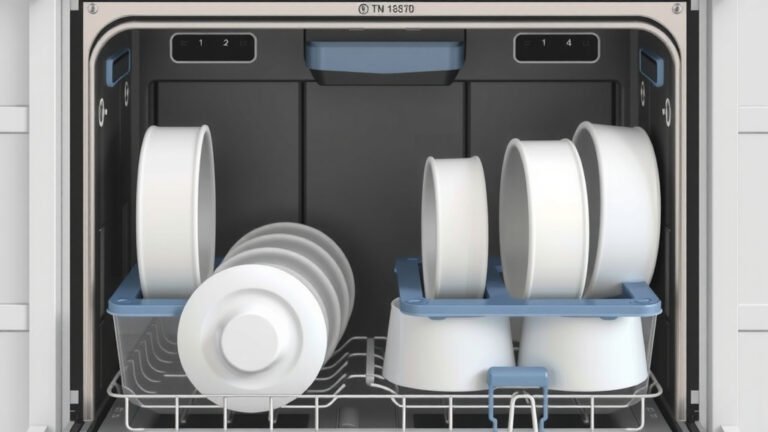
Yes, countertop dishwashers are good for small kitchens, renters, and households of one or two people. They clean dishes well and use far less water than hand washing, but they can’t handle big pots or a full family’s load.
We researched dozens of owner reviews and expert tests, and we found a clear pattern. If you have limited space or no dishwasher hookup, a countertop model is a smart buy. If you cook for a crowd, you’ll still want a full-size dishwasher.
So, are countertop dishwashers any good for you? Here’s the short version:
- They clean everyday dishes, glasses, and utensils just fine.
- They fit on most counters and plug into a regular outlet.
- Most use only 3 to 5 gallons of water per cycle.
- They struggle with large pots, pans, and big loads.
- Prices usually run between $250 and $500.
Below, we break down everything you need to know — how they perform, what they cost to run, and who should (and shouldn’t) buy one.
How Countertop Dishwashers Perform in Real Kitchens
Countertop dishwashers clean everyday dishes well, but their performance depends on what you load into them. We found that plates, glasses, forks, and bowls come out spotless in most models. Greasy casserole dishes? That’s where things get shaky. Not sure which items are safe to machine-wash? Our guide to what can go in a dishwasher sorts it out.
Think of these machines like a compact car. They handle the daily commute beautifully, but you wouldn’t haul furniture in one. Many owners report the same trade-off: great for daily use, frustrating for big jobs.
Cleaning Power on Everyday Dishes
For the dishes you use every day, performance is surprisingly strong. In owner reviews we read, most people gave cleaning results four or five stars. Rinse your dishes lightly first, and you’ll get near-perfect results.
The spray arms are smaller, so water hits a smaller area. That’s fine for standard plates and cups. It’s less fine for a lasagna pan crusted with cheese.
Where They Fall Short
Big cookware is the number one complaint. A 12-inch frying pan often won’t fit, and large stock pots are a lost cause. You’ll still wash those by hand. If you do wash cookware by machine, our guide to dishwasher-safe pots and pans explains which materials hold up.
Also, capacity runs about two to four place settings. If you cook dinner for four people nightly, you may run two cycles a day. That gets old fast.
Water and Energy Use: The Hidden Savings
Here’s where countertop dishwashers shine brightly. Hand washing a full sink of dishes can use 15 to 25 gallons of water, according to Energy Star estimates. A countertop cycle uses about 3 to 5 gallons.
That difference matters on your water bill, especially in cities with high utility costs. Many experts say running a full dishwasher load beats hand washing for both water and energy (Energy Star). Smaller capacity means smaller savings than a full-size unit, but the savings are still real.
What It Costs to Run Each Cycle
Electricity use per cycle is modest. Most models draw around 800 to 1,300 watt-hours, which often costs less than 25 cents per run. Water heating makes up the biggest share of that.
If you run one cycle daily, expect roughly $5 to $10 per month in combined water and energy costs. Your actual number depends on local rates.
| Washing Method | Water Per Load | Approx. Cost Per Cycle |
|---|---|---|
| Countertop dishwasher | 3–5 gallons | $0.15–$0.30 |
| Full-size dishwasher | 4–6 gallons | $0.20–$0.40 |
| Hand washing (running tap) | 15–25 gallons | $0.50–$1.00 |
Setup and Installation: Easier Than You Think
Good news: setup is genuinely simple. Most models connect to your kitchen faucet with a quick adapter, and no plumber is needed. Others have built-in water tanks you fill by hand.
Faucet-Connect Models
These hook to the faucet spout during a cycle, then disconnect so you can use the sink normally. It takes about a minute to attach. One catch: the adapter doesn’t fit every faucet, especially pull-down or designer styles, so check yours before buying.
Water-Tank Models
Tank models give you total freedom on placement. Fill the reservoir, plug into any standard outlet, and press start. Renters and RV owners love this style because there’s zero plumbing involved.
Sizing It Up: Will It Fit Your Counter?
Most units measure around 17 to 22 inches wide and stand 17 to 18 inches tall. That’s about the footprint of a large microwave. Measure your counter space and the clearance above before you order.
Don’t forget the door. It flips down to load dishes, so you need room in front for it to open fully. A unit wedged in a tight corner becomes a daily annoyance.
Noise Levels: Quieter Than You’d Expect
Modern countertop models run between 52 and 60 decibels. For context, that’s roughly the sound of a normal conversation. You can run one during dinner without shouting over it.
Older or cheaper units can be louder, so read the spec sheet before buying. If quiet matters to you, look for models listed at 55 decibels or below.

Who Should Buy One (And Who Should Skip It)
We found a clear pattern in reviews: the right buyer loves these machines, and the wrong buyer regrets the purchase. Here’s how to tell which camp you’re in.
Perfect Fit For These Situations
- You live in a small apartment with no dishwasher hookup.
- You’re a renter who can’t install appliances.
- You live alone or with one other person.
- You need a second unit for a bar, office, or RV.
- You want to save water without a full renovation.
When You’re Better Off Without One
- You cook for a family of four or more.
- You use lots of large pots and baking dishes.
- You already have a working full-size dishwasher.
- Your counter space is already crowded.
The Pre-Purchase Checklist
Before you click buy, run through this quick checklist. It’ll save you from a return shipping headache.
- Measure your counter, including door-swing clearance.
- Check your faucet type if you want a faucet-connect model.
- Confirm you have a free standard outlet nearby.
- Verify the capacity fits your daily dish count.
- Read the noise rating if the kitchen is open to living space.
- Look at the warranty length — aim for at least one year.
What Owners Say: The Honest Feedback
Scanning hundreds of verified buyer reviews, we found a consistent story. Happy owners call these machines lifesavers for small spaces. Unhappy ones mostly bought the wrong size for their household.
Common praise includes easy setup, sparkling glasses, and lower water bills. Common gripes include small racks, long cycle times (sometimes two hours or more), and the need to pre-rinse. One reviewer joked it’s “a dishwasher for people who don’t cook much” — which is honestly fair.
Are They Durable? What to Expect Long-Term
Most countertop dishwashers last five to eight years with normal care, based on what we found in long-term owner reports. That’s slightly shorter than the typical 10-year lifespan of full-size units, but the gap is narrowing as quality improves.
To keep yours running well, clean the filter monthly and run a cleaning cycle with dishwasher cleaner every few months. Descale it if you have hard water. These small habits prevent most of the problems owners report, and they cost you almost nothing.
Conclusion
So, are countertop dishwashers any good? For the right household, absolutely. They clean your daily dishes well, sip water compared to hand washing, and set up in minutes without a plumber. The trade-offs are real, though — small racks, long cycles, and big pots that still need your sink. If you live in a small space, rent your home, or cook for one or two, we think you’ll be genuinely happy with one. If you’re feeding a family of four or more, skip it and stick with a full-size model. Before you buy, measure your counter, check your faucet type, and pick a unit that matches your daily dish load. That’s the whole trick.
Frequently Asked Questions
Can you put a countertop dishwasher in a rental apartment?
Yes, and that’s one of the best places for it. Most models need nothing more than a standard outlet and a faucet connection, or a fillable water tank for zero plumbing. When you move out, you unplug it and take it with you. Just check your counter space first and confirm you can attach the adapter without damaging the faucet.
Do countertop dishwashers need hot water to work well?
It depends on the model. Many faucet-connect units pull from your tap, so they perform best when you run the water hot first. Some tank models include their own internal heater, which handles the warming for you. If yours heats its own water, you may notice slightly longer cycle times, but the results stay strong.
Can you use regular dish soap in a countertop dishwasher?
No — stick with dishwasher detergent only. Regular dish soap creates suds that can overflow the unit and leak onto your floor. It’s one of the most common beginner mistakes we saw in owner reviews. Dishwasher pods, powder, or gel designed for machines will keep things clean and dry.
Do countertop dishwashers leave dishes wet?
Usually, yes, but some models dry better than others. Many use a residual heat method that evaporates water off the dishes, which can leave plastic items damp. Ceramic and glass tend to come out drier. If dry dishes matter to you, look for a model with a heated drying function before you buy.
Is a countertop dishwasher worth it compared to hand washing?
If your dishes stack up daily and you hate the sink, we think it’s worth it. You’ll save water on every cycle, skip the scrubbing session after dinner, and free up time for anything else. If you only dirty a plate or two a day, though, hand washing might still be simpler. Your cooking habits should make the call.