
Crystal Clear: Prevent Cloudy Glassware with These Tips
The easiest way to prevent cloudy glassware is to use the right amount of detergent and ensure your dishwasher’s rinse aid dispenser is full. Cloudy glasses often result from mineral deposits or soap scum. We found that addressing these two key areas can make a big difference.
Cloudiness can make even your best crystal look dingy. It’s a common problem many people face after dishwashing. Understanding the causes, like hard water or improper loading, is key to getting your glassware sparkling again. We’ll help you avoid this frustrating issue.
- Use the correct detergent dosage.
- Always fill your rinse aid compartment.
- Pre-rinse glasses if your water is very hard.
- Load your dishwasher correctly to allow water flow.
Below, we’ll walk you through the simple steps you can take to keep your glassware perfectly clear and streak-free.
Keeping Your Glassware Crystal Clear in the Dishwasher
Are your drinking glasses coming out of the dishwasher looking milky or spotty? It’s a common frustration. You might wonder if you have to go back to handwashing. The good news is, you probably don’t! Most of the time, cloudy glassware is a fixable issue. Let’s look at why this happens and how you can prevent it. Understanding how you load the dishwasher is crucial for preventing cloudy glassware.
Understanding Why Glassware Gets Cloudy
Cloudy glass isn’t usually a permanent damage. It’s often a build-up. This build-up can be from mineral deposits in your water or residue from detergent and food particles. Your dishwasher’s hot environment can sometimes bake these on. We found that identifying the cause is the first step to a solution.
The Role of Hard Water
If you live in an area with hard water, you’re likely familiar with its effects. Hard water has a high mineral content, especially calcium and magnesium. When water evaporates in your dishwasher, these minerals can be left behind on your glasses. This creates a chalky, white film. Many experts suggest using a rinse aid if you have hard water.
Detergent Dos and Don’ts
Using the wrong amount of detergent is a leading cause of cloudy dishes. Too little detergent won’t clean effectively. Too much detergent can leave a residue. This residue can be sticky and trap other particles. It also makes glasses look dull. We found that using the recommended amount on your detergent’s packaging is key.
Dishwasher Temperature and Cycle Choice
Dishwasher temperatures play a role too. Very high heat can sometimes cause certain types of glass to etch. This is a permanent cloudiness. However, most modern dishwashers have cycles designed to be safe for glassware. We found that selecting a gentler cycle for delicate items can help prevent this.
Your Strategy for Streak-Free Glasses
Preventing cloudy glassware is all about a few key practices. It’s not complicated. You can achieve sparkling results with a few simple adjustments. Let’s break down the steps you can take.
Mastering the Detergent Load
As mentioned, detergent is a big factor. Modern dishwashers are efficient. You often need less detergent than you think. Overloading the dispenser can lead to excess soap. This excess soap doesn’t get fully rinsed away. It then clings to your glassware. Research suggests using high-efficiency (HE) detergents is also beneficial. Check your dishwasher manual for specific detergent recommendations.
The Power of Rinse Aid
Your dishwasher likely has a rinse aid dispenser. This is not just a fancy extra; it’s essential for preventing spots and cloudiness. Rinse aid works by reducing the surface tension of water. This helps water sheet off your glasses instead of forming droplets. Droplets, when they dry, leave mineral deposits. A full rinse aid compartment ensures effective drying. We found that refilling the rinse aid regularly makes a noticeable difference.
When to Refill Your Rinse Aid
Most rinse aid dispensers have a small window or indicator light. This tells you when it’s time to refill. Don’t wait until it’s completely empty. Topping it off when you notice it’s getting low is a good habit. Many people fill it every few weeks, depending on their dishwasher usage.
Proper Dishwasher Loading Techniques
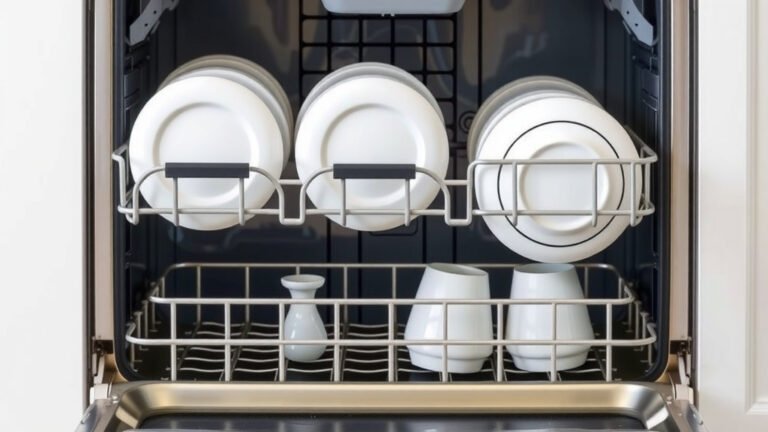
How you load your dishwasher matters a lot. Glasses should not touch each other. They also shouldn’t touch other items like plates or utensils. This allows water and detergent to reach all surfaces. It also prevents items from scratching each other. The spray arms need space to circulate water effectively. We found that ensuring adequate space between glasses is critical.
Top Rack is Your Friend
The top rack of your dishwasher is generally the safest place for glassware. The water spray is usually gentler there. Ensure glasses are placed securely. They should be angled slightly downward. This helps water drain out and prevents pooling. Avoid placing tall glasses where they might obstruct the spray arm.
Pre-Rinsing: A Hard Water Solution?
If you have very hard water, a quick pre-rinse might be necessary. This means rinsing off large food particles before loading. It can also help remove some surface minerals. However, many modern dishwashers are designed to handle this. Overly aggressive pre-rinsing can sometimes remove beneficial enzymes in dishwasher detergents. We found that for most users, thorough scraping is sufficient.
Choosing the Right Detergent and Dishwasher Settings
Not all detergents are created equal. Look for detergents specifically designed for dishwashers. Some also contain additives to combat hard water. Check reviews and consumer reports for recommendations. If your dishwasher has a specific “glassware” or “delicate” cycle, use it. These cycles often use lower temperatures and gentler spray patterns.
When to Consider a Dishwasher Cleaner
Over time, mineral deposits and soap scum can build up inside your dishwasher itself. This can affect its cleaning performance. Running a dishwasher cleaner every few months can help. Many are readily available and easy to use. This keeps the machine running efficiently. We found that this simple maintenance step can refresh your entire wash cycle.

Troubleshooting Persistent Cloudiness
Sometimes, even with these steps, you might still see some cloudiness. If your glasses look permanently etched or frosted, that’s a different issue. This is often caused by very hot water or harsh detergents over long periods. Unfortunately, etching can be irreversible damage to the glass surface.
However, if the cloudiness is a film or spots, these are usually fixable. Consider these additional checks:
- Check your dishwasher’s water inlet temperature. It should ideally be between 120-140°F (49-60°C) (CDC).
- Ensure your dishwasher isn’t overloaded.
- Try a different brand of dishwasher detergent.
- Make sure your dishwasher arms are not clogged with debris.
By focusing on detergent levels, rinse aid, and proper loading, you’re well on your way to consistently clear glassware. It’s a small effort for a much more enjoyable drink presentation!
Conclusion
You’ve learned that clear glassware is totally achievable. It really comes down to a few smart habits. Mastering your dishwasher’s detergent dosage and keeping that rinse aid dispenser full are your top tools. Proper loading ensures water can do its job. By making these simple adjustments, you’ll say goodbye to that frustrating cloudy film.
Your next step? Take a peek at your dishwasher’s rinse aid indicator right now. Top it off if it’s low. You’re on your way to consistently sparkling glasses for every occasion!
Frequently Asked Questions
Can I use regular dish soap in my dishwasher?
No, you should not use regular dish soap. Liquid dish soap creates too many suds. This can cause your dishwasher to overflow and not clean properly. Always use detergents specifically made for automatic dishwashers.
How often should I refill the rinse aid?
Most rinse aid dispensers need refilling every few weeks. This depends on how often you run your dishwasher. Check the dispenser’s indicator window or light regularly. Topping it off before it runs dry is a good habit.
Is it okay to put my crystal glasses in the dishwasher?
It depends on the crystal. Many modern dishwashers have a delicate or glassware cycle. This is often safe for less delicate crystal. However, very old or ornate crystal may still require handwashing. Always check the manufacturer’s care instructions for your specific items.
My dishwasher arms seem clogged. How do I clean them?
Clogged spray arms prevent water from reaching your dishes. Most arms can be removed. You can then rinse them under hot water. Use a toothpick or small brush to clear any blocked holes. Reattach them securely afterward.
What’s the difference between etching and cloudiness?
Cloudiness is usually a film or residue that can be removed. Etching, on the other hand, is permanent damage to the glass surface. It often looks like a frosted or milky appearance that doesn’t wipe off. Etching is typically caused by harsh detergents or very high temperatures over time.