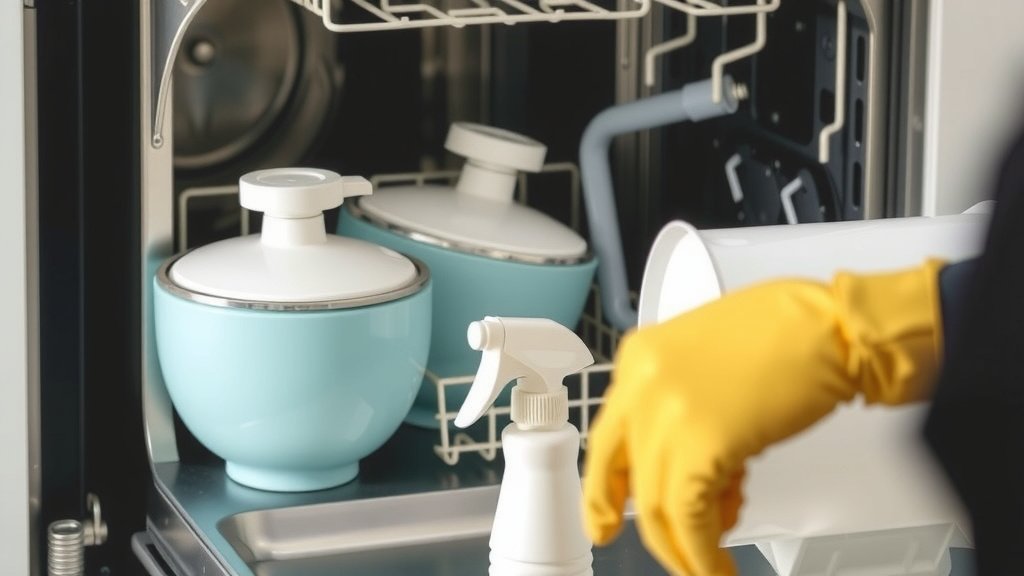
Natural Dishwasher Smell Removal Tips
Your dishwasher can start to smell pretty funky if you’re not careful. The good news is, you can easily remove dishwasher smell naturally using common household items like vinegar and baking soda. These simple solutions target the bacteria and mold that cause those unpleasant odors without harsh chemicals.
A persistent bad smell often points to food debris buildup or a developing mold issue. Ignoring it can lead to a smell that permeates your kitchen. We found that regular cleaning with natural ingredients is key to keeping your appliance smelling fresh and performing its best, protecting your home from unwanted odors.
TL;DR:
- Vinegar is great for sanitizing.
- Baking soda helps absorb odors.
- Clean the filter regularly.
- Run a cleaning cycle with natural products.
- Wipe down the door seal.
Ready to banish that bad smell for good? Let’s walk through exactly how to get your dishwasher smelling like new again, naturally.
Naturally Tackle That Pesky Dishwasher Odor
That unpleasant smell wafting from your dishwasher can be a real mood killer. It’s like a tiny, stinky ghost haunting your kitchen. But don’t worry, you don’t need a cabinet full of harsh chemicals to fix it. We found that simple, natural ingredients you probably already have at home can work wonders. These solutions are effective against the bacteria and mold that cause those odors. Let’s get your dishwasher smelling fresh and clean again.
Understanding Why Your Dishwasher Smells
Before we dive into the fixes, let’s talk about why this happens. Dishwashers aren’t always self-cleaning. Food particles can get trapped. Moisture lingers. This creates a perfect breeding ground for bacteria and mold. These microorganisms are the main culprits behind that lingering funk. Ignoring the smell can make it worse and even affect your dishes’ cleanliness.
The Usual Suspects: Food Debris and Trapped Moisture
Think of your dishwasher’s interior like a mini-ecosystem. Small food bits, grease, and even bits of labels can slip past the filter. These leftovers start to decompose. This process releases gases that smell bad. Then there’s the moisture. Dishwashers aren’t always bone dry after a cycle. Dampness allows mold and mildew to take hold, especially in dark, hidden areas.
Don’t Forget About the Filter!
One of the most common reasons for a smelly dishwasher is a dirty filter. Most dishwashers have a filter at the bottom to catch food particles. If this filter is clogged, it can’t do its job. It becomes a reservoir for grossness. Cleaning it regularly is a game-changer. We found that checking and cleaning the filter at least once a month is a great habit to develop.
Your Natural Cleaning Arsenal
Now for the good stuff! We’ve gathered the most effective natural cleaning agents. These are safe, affordable, and surprisingly powerful. They can break down grime and neutralize odors without leaving behind any chemical residue. You’re probably already using them in your kitchen!
Vinegar: The Sanitizing Champion
White vinegar is your best friend for this task. Its acidity helps to kill bacteria and break down mineral deposits. It’s like a natural disinfectant. Many cleaning experts recommend vinegar for its eco-friendly and effective properties (Cleveland Clinic). It can really cut through grease and grime.
How to Use Vinegar for a Sparkling Dishwasher
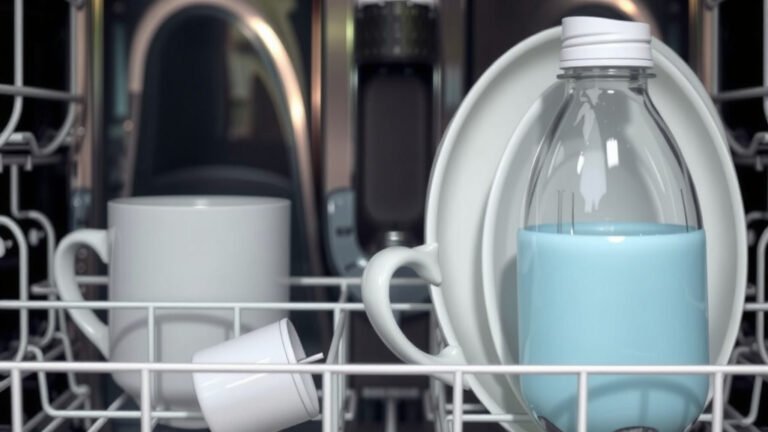
This is super simple. First, make sure your dishwasher is empty. Pour about one cup of white vinegar into a dishwasher-safe bowl or directly onto the bottom of the empty dishwasher tub. Run the dishwasher on a hot water cycle. The hot water will help distribute the vinegar, allowing it to work its magic on the interior surfaces and hoses. You might notice a slight vinegar smell after the cycle, but that dissipates quickly. You can run a second rinse cycle if you’re sensitive to the smell.
Baking Soda: The Odor Absorber Extraordinaire
Baking soda is famous for its ability to absorb odors. It’s mildly abrasive too, which helps with scrubbing. Think of it as a natural deodorizer for your appliance. It can neutralize acidic and alkaline odors effectively. We found it’s a fantastic partner to vinegar.
Using Baking Soda to Banish Smells
For this method, sprinkle about one cup of baking soda across the bottom of your empty dishwasher. Let it sit for a few hours, or even overnight, to really soak up any lingering smells. After it has had time to work, run a short, hot water cycle. This will help rinse away the baking soda and any odor-causing particles. Some people like to combine baking soda and vinegar. You can sprinkle baking soda first, then add vinegar to the rinse cycle. However, we found it’s best to use them in separate cleaning cycles to maximize their individual benefits.

Deep Cleaning Steps for Lasting Freshness
While vinegar and baking soda are great for general maintenance, sometimes you need a deeper clean. Addressing all the nooks and crannies is key. Let’s go through a more thorough process.
Don’t Skip the Filter and Drain!
As mentioned, the filter is critical. Most dishwasher filters are removable. Check your owner’s manual if you’re unsure how to remove yours. Once out, rinse it under warm running water. Use a soft brush or an old toothbrush to gently scrub away any stuck-on food or gunk. Make sure to clean the area where the filter sits too. You might find debris accumulated there as well. A clean filter means better drainage and less trapped moisture, which directly combats smells.
Wipe Down the Door Seal and Edges
The rubber seal around your dishwasher door is a prime spot for mold and mildew. It traps moisture and food particles. Use a damp cloth soaked in a vinegar-water solution (equal parts white vinegar and water) or just plain warm, soapy water. Wipe down the entire seal, paying attention to the creases. Don’t forget the area where the door meets the tub; grime can build up there too. This simple step can make a surprising difference in reducing odors.
Clean the Spray Arms
Are your spray arms clogged? Hard water deposits or small food particles can block the little holes. This reduces water pressure and efficiency. You can usually remove the spray arms (again, check your manual). Use a toothpick or a small piece of wire to clear out any blockages. Rinse them thoroughly before reattaching.
Your Dishwasher Cleaning Checklist
Ready to get your dishwasher smelling great? Follow these simple steps regularly:
- Empty and clean the dishwasher filter at least monthly.
- Run a vinegar cleaning cycle monthly to sanitize.
- Sprinkle baking soda in the bottom occasionally to absorb odors.
- Wipe down the door seal and edges weekly.
- Check and clear spray arm holes if you notice performance issues.
- Leave the dishwasher door ajar after a cycle to allow for air circulation.
Conclusion
You’ve learned how to naturally combat that unpleasant dishwasher odor. Simple ingredients like vinegar and baking soda are your secret weapons. They effectively tackle the bacteria and mold causing the smell. Regular cleaning of the filter, door seal, and spray arms is key to lasting freshness. By incorporating these easy, natural methods into your routine, you’ll keep your kitchen smelling clean and your appliance running efficiently. Start your natural cleaning routine today for a consistently fresh-smelling dishwasher!
Frequently Asked Questions
Can I use lemon juice instead of vinegar?
While lemon juice has some acidic properties, vinegar is generally more effective at sanitizing and deodorizing in a dishwasher. Lemon juice can leave sticky residue. We recommend sticking with white vinegar for the best odor-fighting results.
How often should I clean my dishwasher filter?
It’s a good idea to check and clean your dishwasher filter at least once a month. If you notice a smell or your dishwasher isn’t cleaning well, you might need to clean it more frequently. A clogged filter is a major cause of odors.
Will running a hot cycle with vinegar damage my dishwasher?
No, running a hot cycle with a cup of white vinegar is safe for most dishwashers. The acidity of vinegar helps clean and sanitize without harming the machine’s components. We found it’s a very effective cleaning method.
What if the smell persists after using vinegar and baking soda?
If the smell continues, there might be a more stubborn mold issue or a problem with your dishwasher’s drain line. You can try repeating the vinegar and baking soda cycles, or try a dedicated dishwasher cleaning tablet. Ensure you’ve thoroughly cleaned the filter and door seal.
Is it safe to leave the dishwasher door open after a cycle?
Yes, leaving the dishwasher door ajar after a cycle is a great habit. It allows air to circulate and helps the interior dry completely. This prevents moisture buildup, which is a common cause of mold and musty smells.