Why Your Dishwasher Won’t Latch: 6 Common Fixes Explained
Your dishwasher won’t latch because something is physically blocking the door, the latch is worn out or broken, or the door hinges and springs have shifted out of place. The good news? Most latch problems have simple fixes you can handle yourself in under an hour.
We researched the most common causes and found that a misaligned door rack, a stuck door latch assembly, or even a built-up layer of detergent residue are usually to blame. Sometimes it’s as silly as a plate leaning out too far. Other times, a small part has simply worn down after years of slamming shut.
- A blocked door rack or oversized dish is the number one reason a door won’t close.
- Worn hinges, springs, or a broken latch strike can stop the door from catching.
- Food gunk and soap buildup around the latch area cause more problems than you’d think.
- Simple tools like a screwdriver and some soapy water fix most cases.
- If the latch part itself is broken, replacing it is usually cheap and quick.
Below, we break down everything you need to know about why your dishwasher door won’t latch and how to fix it. Grab a flashlight, and let’s get that door shut.
Common Reasons Your Dishwasher Door Won’t Close
When your door refuses to shut, the cause usually falls into one of three buckets: something is in the way, a part is worn out, or the door itself has shifted out of alignment. We found that working through these in order saves the most time. Start with the easy stuff before you grab a screwdriver.
Think of it like a car that won’t start. Sometimes it’s the battery. Sometimes it’s a loose gas cap. You check the cheap and simple things first.
Something Is Blocking the Door
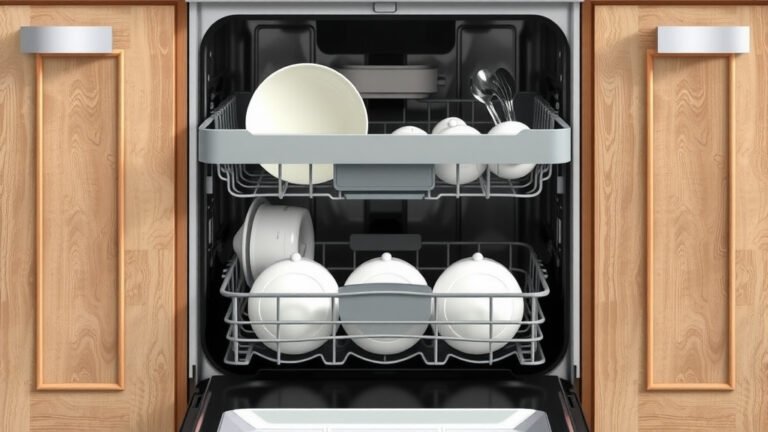
This is the most common culprit, and the fix costs nothing. Open the door and run your eyes along the racks. Look for a pot handle, a knife, or a cutting board poking out past the tub’s edge. Even a fork flipped the wrong way can push against the door’s inner panel.
Don’t forget the bottom of the tub, either. We’ve heard plenty of stories where a stray piece of silverware had fallen to the floor of the dishwasher and sat just tall enough to stop the door. A quick sweep with your hand often solves the mystery in ten seconds.
Gunk Around the Latch
The latch lives in a dusty, damp corner of your kitchen. Over months of use, it collects soap scum, food bits, and grease. That slimy film acts like glue, and the latch can’t click into place.
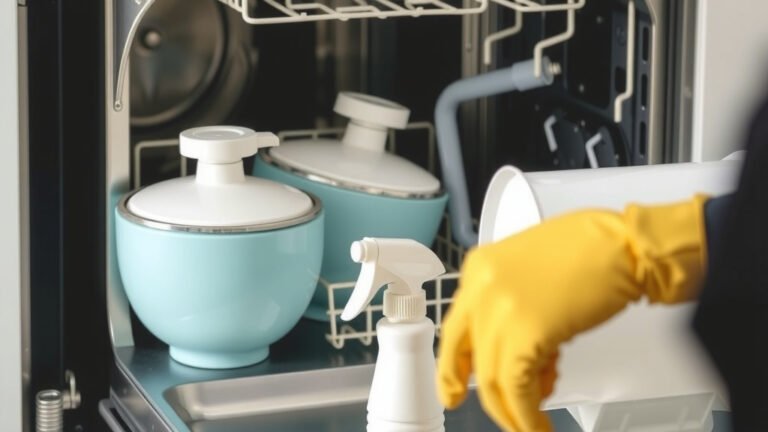
Many appliance repair guides suggest cleaning the latch area with warm, soapy water and an old toothbrush. Wipe the strike plate on the tub frame too. Dry everything with a towel, then try the door again. You’d be surprised how often a good scrub does the trick.
Worn or Broken Latch Parts
Latches take a beating. Every cycle, that little hook snaps shut, sometimes multiple times a day. After years of use, the spring inside the latch gets weak or the plastic housing cracks.
How to Spot a Bad Latch
Close the door slowly and listen. A healthy latch makes a firm, solid click. A tired one sounds weak, or you hear clicking with no catch. If the door closes but pops right back open, the latch strike or the door switch has likely failed.
Replacement latch assemblies are inexpensive for most brands. Many experts say this is a beginner-friendly repair. You usually just remove a few screws, swap the part, and reconnect a wire or two.
Hinge and Spring Problems
Your door hangs on hinges with tension springs that help it open and close smoothly. If a spring snaps or stretches out, the door can hang crooked. A crooked door lines up badly with the latch, and it won’t catch.
Check both sides of the door. Does one side droop lower than the other? Does the door feel heavy or slam down on its own? Those are classic signs of a broken door spring. Springs are cheap, but this repair takes a bit more patience since you may need to pull the dishwasher away from the cabinet.
Quick Checks Before You Call a Repair Service
Before you spend money on a service call, run through this short list. We found that these steps solve the majority of latch complaints:
- Empty the bottom rack and look for anything leaning past the tub edge.
- Wipe the latch and strike plate with warm, soapy water.
- Check the door seal for a twisted or bunched-up gasket.
- Test the door alignment by watching both hinges as you close it.
- Listen for the click to judge whether the latch is catching at all.
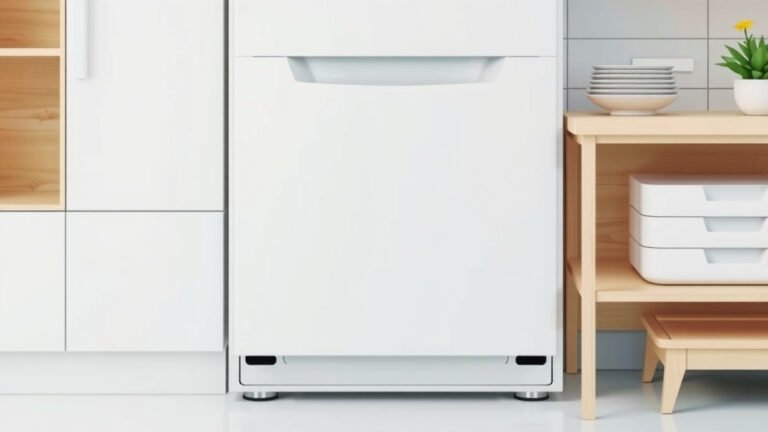
- Check your leveling feet, since an unlevel machine can twist the door frame.
The Door Gasket Matters More Than You Think
The rubber door gasket runs around the edge of the door and seals it shut. If it shifts out of its channel, it bulges outward and physically stops the door from closing flush. It’s like trying to shut a suitcase with a sock stuck in the seam. A misaligned gasket can also cause water escaping, and our guide to a dishwasher leaking from the door walks through seal fixes.
Run your finger along the full gasket. Press it back into its groove where it has popped out. If the rubber is cracked, stiff, or flattened, a replacement gasket is an easy, affordable fix.
Comparing the Causes: Cost and Difficulty at a Glance
Here’s a quick way to size up your situation before you start:
| Cause | Difficulty | Typical Cost | Time Needed |
|---|---|---|---|
| Dish or rack blocking door | Very easy | Free | Under 5 minutes |
| Dirty latch or strike plate | Easy | Free | 10–15 minutes |
| Shifted door gasket | Easy | Free to $25 | 15–30 minutes |
| Worn latch assembly | Moderate | $20–$60 | 30–60 minutes |
| Broken hinge spring | Moderate | $15–$40 | 45–90 minutes |
Safety First: Prepping Your Dishwasher for a Fix
Any time you work on an appliance, cut the power first. Unplug the unit or flip off the circuit breaker that controls it. Latches connect to a door switch wired into the machine, and you don’t want any surprises.
Many safety guidelines from government consumer safety agencies stress unplugging appliances before repairs, since even idle machines can hold stored electrical charge. Also, shut off the water supply valve under the sink if you plan to pull the dishwasher out. Water on the kitchen floor is nobody’s friend.
Tools You’ll Actually Need
Keep it simple. For most latch jobs, you need:
- A Phillips screwdriver (sometimes a Torx bit for some brands)
- An old toothbrush and dish soap
- A flashlight or headlamp
- A multimeter if you want to test the door switch
- A towel for cleanup
When the Problem Is the Door Switch Instead
Sometimes the door latches fine mechanically, but the machine still won’t start. That points to the door switch, a small part that tells the dishwasher the door is safely closed. When it fails, the control board thinks the door is open even when it isn’t.
If your door clicks shut but the cycle won’t begin, test the switch with a multimeter for continuity. No continuity means the switch is dead. These parts cost under $30 for most models, and swapping one takes about 20 minutes.
Preventing Latch Problems Down the Road
A little routine care goes a long way. Wipe down the latch area once a month. Load dishes with handles pointed inward so nothing leans past the rack. Avoid sl force-slamming the door; a gentle push lets the latch do its job without extra wear.
Also, run a cleaning cycle with a dishwasher cleaner every couple of months. It cuts down on the residue that gums up the latch and the door seal. Small habits like these keep the whole door assembly happier for years.
Conclusion
A dishwasher that won’t latch is annoying, but it’s rarely a reason to panic. We found that most cases come down to a blocked rack, a dirty latch, or a worn part, and the fix usually costs little or nothing. Work through the quick checks first: clear the tub, scrub the latch area, and inspect the gasket. If the door still won’t catch, a replacement latch assembly or door switch is a beginner-friendly repair you can do in under an hour with a screwdriver. Start with the free fixes today, and you’ll likely have that door clicking shut before your next load of dishes.
Frequently Asked Questions
Can I still run my dishwasher if the door doesn’t latch?
No, and you shouldn’t try. Most dishwashers won’t start a cycle unless the door switch confirms the door is fully closed. Forcing it or taping it shut risks water leaking onto your kitchen floor.
How much does a repair service charge to fix a dishwasher latch?
Service calls typically run between $100 and $250, depending on your location and the brand. Since the part itself often costs under $60, doing the swap yourself can save you a good chunk of change.
Why does my dishwasher door latch but pop back open?
This usually means the latch strike is worn down or the spring inside the latch has weakened. The hook catches for a moment but can’t hold tension. Replacing the latch assembly typically solves it.
Can I use WD-40 on my dishwasher latch?
We don’t recommend it. WD-40 can attract dust and grime, which makes the problem worse over time. Warm, soapy water and a toothbrush are safer for cleaning the latch area.
How long does a dishwasher latch usually last?
Most latch assemblies hold up for 8 to 10 years of normal use. Heavy slamming or frequent cycles can wear one out sooner. If yours fails earlier, check that the door hinges and springs are doing their job.