Dishwasher Water Usage Per Cycle: How Much Is It
Your dishwasher uses about 3 to 5 gallons of water per cycle. Modern dishwashers are incredibly efficient. They often use less water than hand-washing the same load. You can save a lot of water by using your dishwasher.
Did you know that older dishwashers could use 10 gallons or more per wash? That’s a huge difference! Energy Star certified models are even more water-wise. Choosing the right dishwasher can significantly impact your home’s water consumption and your utility bills.
- Modern dishwashers use 3-5 gallons per cycle.
- Older models used much more water.
- Energy Star models are the most efficient.
- Dishwashers can be more water-efficient than hand washing.
Let’s dive into the specifics of dishwasher water usage and how yours compares. We’ll cover what affects it and how to make sure you’re getting the most efficient clean.
“`htmlHow Much Water Does Your Dishwasher Actually Use?
It’s a great question to ask! Understanding your dishwasher’s water footprint helps you make smarter choices for your home and the planet. Let’s break down the numbers and see what’s really going on inside that cleaning machine.
Understanding Dishwasher Water Consumption
The amount of water a dishwasher uses can vary. But generally, you can expect most modern machines to use between 3 to 5 gallons per cycle. This number might surprise you, especially when you think about the sheer volume of water used when washing dishes by hand.
The Evolution of Dishwasher Efficiency
Dishwashers have come a long way. Early models were quite thirsty. We found that some older dishwashers, from the 1970s or even early 80s, could easily guzzle 10 to 15 gallons of water per wash. Imagine that! That’s nearly three times what a new machine uses.
Why the change? Technology and a growing awareness of resource conservation. Manufacturers have focused on improving wash mechanics and water recycling within the machine. This means you get sparkling clean dishes without the massive water bill or environmental impact.
Why Less Water is More
Using less water per cycle offers several benefits. First, it directly translates to lower utility bills. Water costs money, and your water heater also uses energy to heat that water. So, a more water-efficient dishwasher saves you money on both your water and energy bills.
Beyond your wallet, it’s a win for the environment. Conserving water helps protect local water resources. It also reduces the energy needed to treat and pump water to your home. Many studies show a strong link between efficient appliance use and overall household water savings (Environmental Protection Agency).
Factors Influencing Dishwasher Water Usage
While we’ve given you a general range, your dishwasher’s exact water usage can depend on a few things. It’s not just a one-size-fits-all number.
The Age and Model of Your Dishwasher
As we touched on, the age of your appliance is a big factor. Newer models are designed with water efficiency standards in mind. Older models simply didn’t have these mandates. If your dishwasher is over 15 years old, it’s likely using significantly more water than a modern equivalent.
The Wash Cycle You Choose
Did you know that not all cycles are created equal when it comes to water use? Running a normal wash is standard. But if you select an extra-heavy duty cycle, your dishwasher might use more water. This is to tackle tougher grime and baked-on food. Conversely, a quick rinse cycle might use less water but won’t clean as thoroughly.
Here’s a quick look at how different cycles might impact water usage, though these are general estimates:
| Wash Cycle | Estimated Water Usage (Gallons) |
|---|---|
| Normal/Everyday | 3-5 |
| Heavy Duty/Pots & Pans | 4-6 |
| Quick Wash/Rinse | 2-4 |
| Eco/Energy Saver | 3-4 |
Dishwasher Features and Technology
Modern dishwashers often have smart sensors. These sensors can detect how dirty your dishes are. They then adjust the water and energy used accordingly. If the water comes out relatively clean after a rinse, the machine might use less water for the main wash. This is a fantastic technological advancement for saving resources.
Some high-end models even feature advanced filtration systems. These systems can recirculate and reuse water during a single cycle. This dramatically reduces the amount of fresh water drawn for the wash.
Load Size and Soil Level
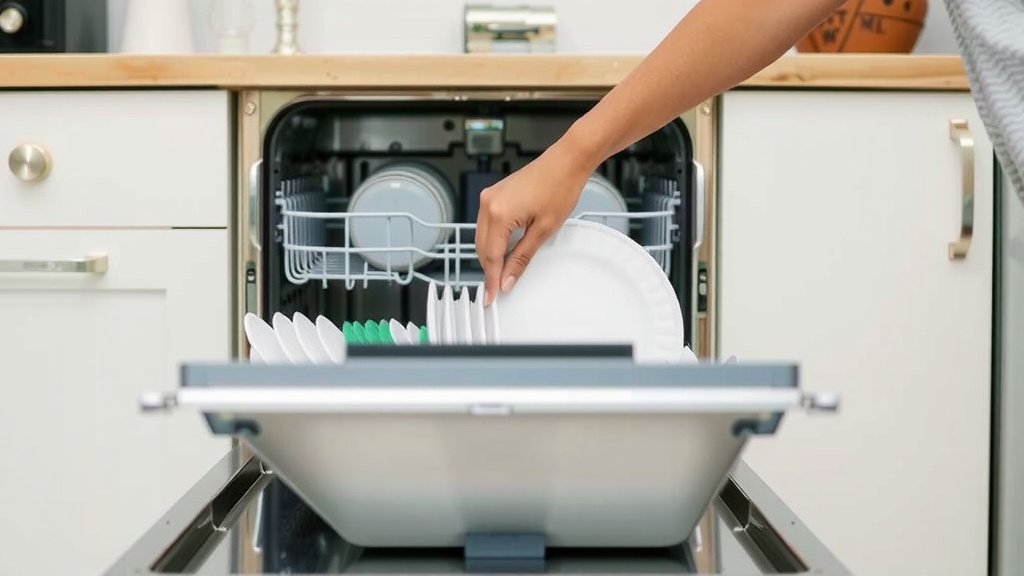
This is where you, the user, have the most control! Running your dishwasher only when it’s completely full is key. A half-empty load still uses nearly the same amount of water as a full one. You’re essentially wasting water and energy on a partial load. The key to saving water is to always run your dishwasher with a full load.
The level of soil on your dishes also plays a role. If you scrape off large food particles, your dishwasher won’t need to work as hard. It won’t need to cycle through as much water to get things clean. Some modern machines can even adjust their cycle length based on soil sensors.
Dishwasher vs. Hand Washing: The Water Debate
Let’s settle this age-old question: Is hand washing actually more water-efficient? For most people, the answer is a resounding no. We found that running a full dishwasher load uses far less water than washing the same number of dishes by hand in a sink.
Think about it: when you hand wash, you typically let the water run continuously. Or, you fill one basin with hot, soapy water and another with rinse water. This method can easily lead to using 20 gallons or more for a single meal’s worth of dishes. Compare that to your dishwasher’s 3-5 gallons, and the winner is clear!
Of course, there are exceptions. If you have a very old dishwasher and are meticulously efficient with your hand-washing technique, you might use less water. But for the average household, the dishwasher is the undisputed champion of water conservation.
Tips for Maximizing Your Dishwasher’s Water Efficiency
Want to make sure you’re getting the most out of your appliance? Here are some practical tips you can start using today:
- Always run your dishwasher with a full load.
- Scrape off large food scraps, but avoid pre-rinsing.
- Choose the appropriate wash cycle for the soil level.
- Consider using the eco or energy-saving mode when available.
- Maintain your dishwasher by cleaning the filter regularly.
- If you’re in the market for a new one, look for an Energy Star certified model.
Conclusion
You’ve learned a lot about how much water your dishwasher uses. Modern dishwashers are quite water-efficient, typically using just 3 to 5 gallons per cycle. This is a huge improvement over older models and often beats hand-washing. By choosing the right cycle, running full loads, and maintaining your machine, you can maximize savings. Making informed choices about your appliance usage directly impacts your bills and conserves precious water resources. So, continue to embrace your dishwasher as a smart, eco-friendly cleaning tool!
Frequently Asked Questions
Do newer dishwashers really use that much less water?
Yes, they do! Research shows that modern dishwashers are designed to be significantly more water-efficient. You can expect a new machine to use around 3 to 5 gallons per cycle, while older models could use 10 to 15 gallons or even more.
Is it better to hand wash or use the dishwasher if I only have a few dishes?
Generally, it’s still more water-efficient to run your dishwasher with a full load. Washing just a few dishes by hand, especially if you let the water run, can easily use more water than a full dishwasher cycle.
Does pre-rinsing dishes before loading the dishwasher save water?
Surprisingly, pre-rinsing can actually waste water. Most modern dishwashers are designed to handle food particles, and excessive pre-rinsing can use more water than the dishwasher itself. Just scrape off any large food debris.
How often should I clean my dishwasher filter to ensure water efficiency?
You should clean your dishwasher filter about once a month. A clogged filter can prevent your dishwasher from cleaning effectively and may cause it to use more water or run longer cycles.
Are eco-friendly or ‘green’ dishwasher cycles actually more water-efficient?
Yes, eco or energy-saving cycles are designed to use less water and lower temperatures. While they may take longer to complete, they are generally the most water-efficient option for normally soiled dishes.