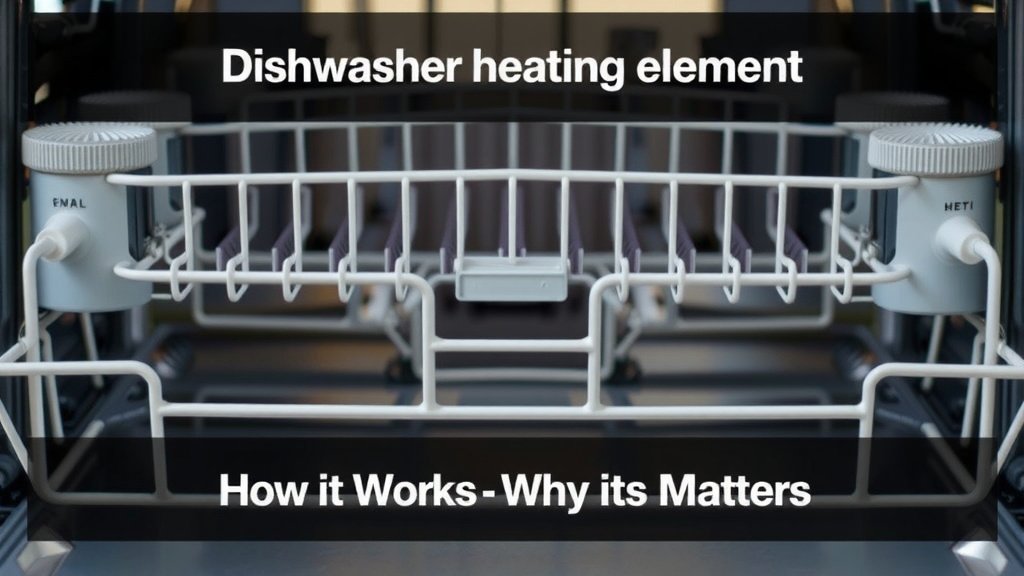
Dishwasher Heating Element: How It Works and Why It Matters
Your dishwasher’s heating element is the unsung hero of sparkling dishes. It’s the part that heats the water for washing and helps dry your dishes after the cycle. Without it, you’d be washing with lukewarm water and still have dripping plates.
This metal rod, often found at the bottom of your dishwasher tub, works by passing an electric current through a resistance wire. This resistance creates heat, just like in a toaster. Many people don’t realize how much work this one component does for your clean kitchen.
- The heating element warms wash water.
- It also aids in the drying process.
- Think of it as your dishwasher’s tiny water heater.
- A faulty element means cooler water and wet dishes.
Let’s get into the details of how this essential part functions and what happens when it needs a little attention.
How Your Dishwasher’s Heating Element Works
Think of your dishwasher’s heating element as a tiny, dedicated water heater. Its main job is to ensure your dishes get a good, hot wash. It also plays a role in making them nice and dry. We found that many people don’t give this component much thought until it stops working. Let’s dive into how this simple yet vital part keeps your kitchen chores manageable.
The Science Behind the Heat
At its core, the heating element is a resistor. It’s typically a metal rod bent into a U-shape or coil. Inside this rod is a wire made of a material that resists the flow of electricity. When electricity passes through this wire, the resistance causes it to heat up intensely. This is the same principle seen in toasters and electric ovens. The heat generated is then transferred to the water in your dishwasher. A burning smell could indicate an issue with the heating element.
Understanding Resistance
Resistance is like friction for electricity. Imagine trying to push a large group of people through a narrow doorway. It’s going to be slow and create a lot of heat. The heating element wire is designed to create this kind of electrical “friction.” Materials like Nichrome (a mix of nickel and chromium) are commonly used because they can get very hot without breaking. This process is often referred to as Joule heating.
From Wire to Water: Heat Transfer
Once the resistance wire heats up, it needs to transfer that heat to the water. The heating element is submerged in the bottom of the dishwasher tub. As it heats up, it warms the surrounding water through convection. Hot water rises, and cooler water sinks, creating a natural circulation that helps heat the entire tub of water. This hot water is essential for breaking down grease and food particles effectively.
Two Key Roles: Washing and Drying
Your dishwasher’s heating element isn’t a one-trick pony. It actively contributes to two critical phases of the wash cycle: getting dishes clean and getting them dry.
Heating the Wash Water
Most dishwashers don’t rely solely on your home’s hot water supply. While they do connect to it, the heating element provides an extra boost. It heats the water to the optimal temperature, typically between 130°F and 150°F (54°C to 66°C). This higher temperature is much more effective at sanitizing dishes and dissolving tough, greasy residues than lukewarm water. Many cleaning experts recommend this higher heat for truly clean results (CDC).
The Drying Function
After the wash and rinse cycles are complete, the heating element often kicks in again for the drying phase. It heats the air inside the dishwasher, creating a warm environment. This warmth helps water evaporate from your dishes. Some models also use a fan to circulate this hot air, speeding up the drying process. It’s like having a mini convection oven in your kitchen, just for your plates! If your dishes aren’t drying, check your dishwasher’s heating element.
When Things Go Wrong: Signs of a Failing Element
A malfunctioning heating element can really put a damper on your dishwashing routine. Fortunately, there are usually clear signs that something isn’t right.
Cold Water Washes
The most obvious symptom is dishes coming out less than sparkling clean, especially if they were heavily soiled. If the water inside the dishwasher feels lukewarm or even cold during or after the cycle, your heating element is likely not doing its job. You might notice food particles still stuck to plates.
Dishes Remain Wet
If your dishes are still dripping wet after the drying cycle, a faulty heating element is a prime suspect. While some residual moisture is normal, excessive dampness points to a lack of sufficient heat to evaporate the water. You might find puddles of water on the bottom of cups or standing water on the surfaces of plastic items.
Other Potential Clues
Sometimes, a failing heating element can cause other issues. You might notice a burning smell if the element is damaged or corroded. In some cases, a short circuit in the element could trip your home’s circuit breaker. It’s wise to pay attention to any unusual sounds or smells during operation.
Troubleshooting and Maintenance Tips
Keeping your dishwasher in good working order can prevent future problems. Here are a few things you can do.
Regular Cleaning
Food debris and mineral deposits can build up over time. This buildup can clog the filter and even affect the heating element itself. Regularly cleaning your dishwasher’s filter is a simple step that can improve overall performance. Many manufacturers recommend running an empty hot water cycle with a dishwasher cleaner once a month.
Water Temperature Check
Ensure your home’s water heater is set to a sufficient temperature. While the dishwasher’s element adds heat, starting with properly hot tap water helps. Aim for your home’s hot water to be around 120°F (49°C) to 140°F (60°C) before it even reaches the dishwasher. Guidelines from plumbing associations often suggest this range for efficiency and safety (EPA).
Visual Inspection (When Safe)
With the power off and the dishwasher unplugged, you can sometimes visually inspect the heating element. Look for obvious signs of damage, such as cracks, corrosion, or breaks in the element itself. If you see any damage, it’s a clear indication that replacement is needed.
Understanding the Cost of Repair or Replacement
If you determine your heating element needs to be replaced, you’ll likely be looking at a repair cost. The cost can vary depending on the make and model of your dishwasher and whether you use a professional service or attempt a DIY fix. Generally, a replacement heating element part is not excessively expensive, often ranging from $20 to $60. However, labor costs for a professional can add significantly to the total bill. It’s always a good idea to get a quote before proceeding.
When to Call a Professional
While some repairs are straightforward, replacing a dishwasher heating element involves working with electrical components and water. If you’re not comfortable with appliance repair or don’t have the right tools, it’s best to call a qualified appliance technician. They have the expertise to safely diagnose and fix the problem. Trying to fix it yourself without proper knowledge could lead to further damage or even safety hazards.
Safety First!
Before attempting any inspection or repair, always disconnect the power to your dishwasher. This usually means turning off the circuit breaker. Water and electricity are a dangerous mix. Ensuring the power is off is the most critical step for your safety.
The Lifespan of a Heating Element
With proper care and use, a dishwasher heating element can last for many years. However, like any mechanical part, they can eventually wear out. Factors like water hardness, the frequency of use, and the quality of the manufacturing all play a role in how long it will last. Most experts estimate a lifespan of 5 to 10 years for a typical heating element.
A Quick Checklist for Your Dishwasher’s Heat
To ensure your dishwasher’s heating element is functioning optimally, consider these quick checks:
- Confirm your dishwasher is getting hot water.
- Listen for any unusual noises during the cycle.
- Check if dishes are properly dry after the cycle.
- Inspect your dishwasher’s filter for debris.
- Ensure your home’s hot water heater is functioning well.

Conclusion
Your dishwasher’s heating element is a workhorse, essential for both sparkling clean dishes and effective drying. We’ve seen how its resistance creates heat for washing and helps evaporate water for drying. Understanding its function and knowing the signs of trouble can save you from future frustration. Pay attention to how your dishes come out – do they feel clean and dry? If you notice persistent issues, a quick check of your home’s hot water supply is a good first step. If problems persist, consider if it’s time for a professional eye or a DIY replacement part. Keeping your heating element in good shape means a happier kitchen and less hassle for you.
Frequently Asked Questions
Can I tell if my dishwasher’s heating element is broken just by looking at it?
While a visual inspection can sometimes reveal obvious damage like cracks or corrosion, it’s not always foolproof. A heating element might look fine but still not function correctly due to internal breaks or electrical issues. It’s best to combine visual checks with observing your dishwasher’s performance.
How does the heating element affect the drying of my dishes?
After the wash and rinse cycles, the heating element often reheats the air inside the dishwasher. This warm air helps moisture evaporate from your dishes. Some dishwashers also use a fan to circulate this hot air, speeding up the drying process. Without sufficient heat, dishes will remain damp.
Is it cheaper to replace a heating element myself or hire a technician?
Generally, the replacement part for a heating element is quite affordable, often between $20-$60. If you are comfortable and knowledgeable about appliance repair and safety, a DIY replacement can save you money on labor costs. However, if you lack experience, the cost of a technician might be worth the peace of mind and assurance of a proper repair.
What should I do if my dishwasher trips the circuit breaker often?
A frequently tripping circuit breaker can indicate a problem with your dishwasher’s electrical components, including the heating element. If the heating element has a short circuit or is failing, it can draw too much power and trip the breaker. You should always unplug the dishwasher before investigating and consider calling a professional technician.
How often should I clean my dishwasher’s heating element?
You don’t typically “clean” the heating element directly in the way you might clean a filter. However, it’s important to keep the bottom of your dishwasher tub free of food debris and mineral buildup. Regularly cleaning the filter and running an occasional hot water cycle with a dishwasher cleaner can prevent deposits from affecting the heating element’s efficiency.