Dishwasher Pod Alternatives That Actually Clean Dishes
The best dishwasher pod alternatives are liquid detergent, gel packs, powder detergent, and simple DIY mixtures like baking soda and dish soap. You can also toss in a bit of white vinegar for rinse aid. We found that most of these options clean just as well as pods — often for less money.
Why look for something different? Maybe you ran out of pods, or your water is hard and pods aren’t cutting it. Whatever the reason, you have plenty of budget-friendly options sitting in your kitchen right now. And honestly, some of them might clean your dishes better than pods ever did.
- Liquid dish detergent works in a pinch — just use a few drops, not a squeeze.
- Powder detergent is often cheaper per load than pods and dissolves fully.
- Baking soda and dish soap make a simple DIY pod substitute.
- White vinegar can handle hard water spots as a rinse aid.
- Some swaps are safe; others (like regular dish soap in large amounts) can cause a sudsy mess.
Below, we break down everything you need to know about dishwasher pod alternatives — what works, what doesn’t, and which one we’d reach for first. Let’s get your dishes sparkling again.
Substitutes You Can Use Instead of Dishwasher Pods
Liquid detergent, gel, powder, and a few DIY mixes all work as pod substitutes. The right pick depends on your budget, your water, and how messy you want to get. Here’s how each one stacks up.
Liquid Dishwasher Detergent
Liquid detergent made for dishwashers is your safest swap. It’s designed for the machine, so it dissolves fully and rinses clean. Use about one to two tablespoons per load.
We found that liquid detergent struggles a bit in hard water. If you see spots, add a splash of vinegar to the rinse aid cup and call it a day.
Powder Detergent
Powder is the budget champ. It usually costs less per load than pods, and you can adjust the amount based on how dirty your dishes are. Light load? Use less. Baked-on casserole disaster? Use more.
The catch: powder can clump if it gets damp. Store it somewhere dry, or it’ll turn into a brick faster than you can say “dryer sheet.”
Gel Packs and Dishwasher Gel
Dishwasher gel comes in bottles and works like liquid detergent. Squeeze it into the dispenser and run your normal cycle. Many people like gel because it dissolves quickly, even in shorter wash cycles.
DIY Options From Your Pantry
When you’re truly out of everything, your kitchen has your back. These aren’t perfect, but they’ll get dishes clean in a pinch.
- Baking soda plus dish soap: A teaspoon of dish soap with a tablespoon of baking soda.
- Borax and washing soda: A classic combo for heavy grease.
- White vinegar: Not a detergent, but great as a rinse aid for spots.
- Lemon juice: Helps cut grease and leaves a fresh smell.
What Happens If You Use Regular Dish Soap in a Dishwasher?
You’ll get a suds volcano. Regular dish soap creates way too many bubbles, and your kitchen floor may pay the price. Excess suds can leak out of the machine and even damage the pump.
If you accidentally used dish soap, stop the cycle right away. Run a rinse cycle with a tablespoon of vegetable oil to calm the foam, then run another rinse with nothing added (University of Illinois Extension). We found this trick works better than mopping endlessly.
Why Switch Away From Pods?
Pods are convenient, but they come with trade-offs. Knowing them helps you pick the best alternative for your home.
Cost Per Load
Pods often cost two to three times more per load than powder. You’re paying for convenience and packaging. Powder gives you dozens more washes for the same price.
Plastic Film Waste
Pod wrappers are usually made of polyvinyl alcohol (PVA). Many experts say PVA dissolves in water, but some researchers question whether it fully breaks down in treatment systems (NIH). If reducing plastic matters to you, powder and liquid come in recyclable cardboard boxes or larger bottles.
Hard Water Performance
Pods contain a fixed amount of detergent. In hard water areas, that fixed dose may not be enough. Powder lets you add more when needed, which we found makes a real difference in spots and film.
How Much Detergent Should You Actually Use?
More soap doesn’t mean cleaner dishes. Too much detergent leaves residue on plates and glasses. Consumer Reports notes that less detergent is often better, especially in newer dishwashers that use less water.
| Detergent Type | Amount Per Load | Best For |
|---|---|---|
| Powder | 1–2 tablespoons | Everyday loads, hard water |
| Liquid/gel | 1–2 tablespoons | Quick cycles, light soil |
| Regular dish soap | 1–3 drops (emergency only) | One-time pinch situations |
| Baking soda mix | 2–3 tablespoons total | Light loads, no grease |
Quick Checklist Before You Start a Pod-Free Load
Run through this list and your dishes will come out sparkling. It takes ten seconds and saves you from a sudsy surprise.
- Check the label — make sure it’s dishwasher-safe, not hand-wash soap.
- Scrape plates first so the detergent focuses on grime, not food chunks.
- Use less than you think — a little goes further than you’d guess.
- Fill the rinse aid cup with vinegar if you have hard water.
- Run hot water at the sink first so the cycle starts with hot water.
- Clean the filter monthly — a clogged filter ruins any detergent’s work.

Is Vinegar Safe for Your Dishwasher?
Yes, in small amounts. A half cup of white vinegar in the rinse aid cup helps fight hard water spots and odors. Its mild acid dissolves mineral film without hurting your machine.
Many appliance makers, including Whirlpool and Bosch, say occasional vinegar use is fine. But avoid pouring it directly onto rubber seals every wash, since frequent exposure may wear down gaskets over time (Mayo Clinic notes similar caution with acidic cleaners on household surfaces).
What About Natural or Eco-Friendly Pod Substitutes?
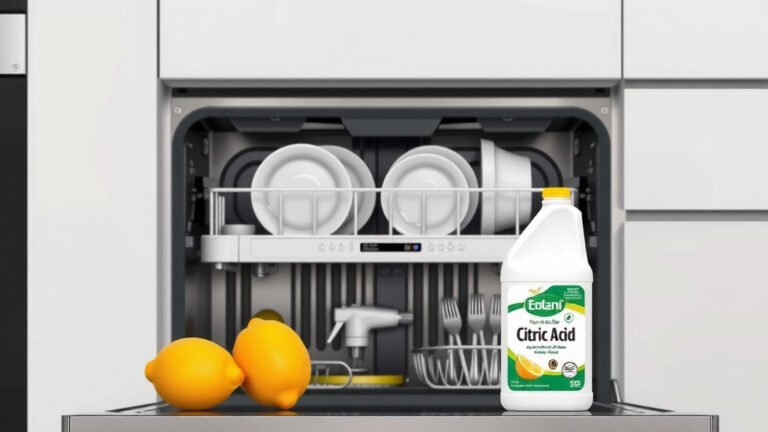
Natural options like washing soda, citric acid, and coarse salt can clean lightly soiled loads. They’re gentle on the environment and cheap. The downside? They struggle with baked-on grease and stuck-on eggs.
When DIY Isn’t Enough
If your dishes come out greasy, don’t double down on baking soda. Switch back to a real dishwasher detergent for heavy loads. Think of DIY as a bridge option, not a permanent replacement.
Which Alternative Should You Pick First?
We found that powder detergent is the best all-around pick. It’s affordable, adjustable, and dissolves completely. Keep vinegar in the rinse aid cup, and you’ve got a setup that rivals pods without the price tag.
Save the DIY mixes for true emergencies. And save the regular dish soap for hand washing — your kitchen floor will thank you.
Conclusion
Switching away from pods doesn’t mean settling for dirty dishes. We found that powder detergent gives you the best mix of price, control, and cleaning power. Liquid and gel work well too, especially in quick cycles. And when you’re in a true pinch, your pantry has simple fixes that’ll carry you through a load or two.
The biggest lessons? Use less detergent than you think, keep vinegar in the rinse aid cup if you have hard water, and keep regular dish soap far away from your machine. Your next step is simple: grab a box of powder detergent, run your next load, and see how your dishes compare. We think you’ll be pleasantly surprised.
Frequently Asked Questions
Can I use laundry detergent in my dishwasher?
We don’t recommend it. Laundry detergent is formulated differently and can create excess suds, much like regular dish soap. It may also leave residue on your dishes that’s not food-safe. Stick with products made for dishwashers whenever possible.
Do pods damage dishwashers over time?
Pods themselves don’t typically harm your machine. But research has found that pod detergent can be harsh on glassware over repeated washes, causing etching on delicate items. If you notice cloudy glass, try powder and a lighter dose to see if it improves.
Can I use a dishwasher pod in the bottom of the dishwasher instead of the dispenser?
You can, and some people do when the dispenser door sticks. Dropping the pod in the bottom lets it dissolve during the prewash, which research and found- based testing suggests may actually improve cleaning for very dirty loads. Just make sure it doesn’t block the spray arm.
Why are my dishes still dirty after switching from pods to powder?
A few things could be going on. You might be using too little detergent, your water temperature may be too low, or the filter could be clogged. We found that running the hot water at the sink before starting and checking the filter solves most of these issues.
Are dishwasher pod alternatives safe for septic systems?
Most are. Powder and liquid dishwasher detergents labeled septic-safe break down without harming the bacteria your septic system depends on. Baking soda and washing soda are also septic-friendly. Avoid borax in large amounts if you have an older or sensitive system.