Fix Clogged Dishwasher Spray Arm Easily
If your dishwasher isn’t cleaning your dishes properly, a If your dishwasher isn’t cleaning your dishes properly, a dishwasher not cleaning is likely the culprit.clogged spray arm is likely the culprit. Food debris, mineral buildup, and even small objects can block the tiny holes, preventing water from reaching your dishes. Fortunately, clearing a dishwasher spray arm is a simple DIY fix you can do yourself in minutes.
When the spray arm is clogged, you might notice water spots or food particles left on your plates and glasses. This common issue affects how effectively your dishwasher can circulate water. Addressing it promptly ensures your appliance keeps your dishes sparkling clean.
- Clogged spray arms prevent effective water circulation.
- Food debris and mineral buildup are common causes.
- This issue leads to poorly cleaned dishes.
- Clearing it is a simple DIY task.
Ready to get your dishwasher back to its best? Let’s walk through how to clear that clogged spray arm step by step.
Troubleshooting a Clogged Dishwasher Spray Arm
When your dishwasher fails to deliver sparkling results, a When your dishwasher fails to deliver sparkling results, dishes still dirty is often the prime suspect.clogged spray arm is often the prime suspect. These ingenious arms are responsible for distributing water forcefully onto your dishes. If their tiny holes get blocked, that powerful spray turns into a weak dribble, leaving food behind.
But don’t worry! This is a common issue many homeowners face. The good news is that clearing a clogged dishwasher spray arm is usually a straightforward DIY task. You can likely fix it yourself without calling a repair person. We’ll guide you through the simple steps to get your dishwasher back in tip-top shape.
Why Your Dishwasher Spray Arm Gets Clogged
Think of your dishwasher spray arm like a sprinkler system for your dishes. It needs clear pathways for water to flow freely. Over time, several things can impede this flow. Understanding the causes can help you prevent future blockages.
Common Culprits Behind Blocked Spray Arms
The most frequent offenders are food particles and grease. When you load your dishwasher, small bits of food can get dislodged and make their way to the spray arm holes. These can bake on over time, creating stubborn blockages.
Another major cause is mineral buildup, often referred to as limescale. If you have hard water in your home, dissolved minerals like calcium and magnesium can deposit inside the spray arm. This is similar to what happens in your coffee maker or kettle. Over time, these deposits harden and restrict water flow.
Occasionally, small items like seeds, toothpicks, or even broken glass can find their way into the spray arm. These can cause a sudden and complete blockage. It’s always a good idea to scrape excess food off plates before loading, but sometimes even small particles slip through.
How Clogs Affect Dishwashing Performance
When the spray arm is blocked, the water pressure is compromised. This means water won’t reach all surfaces of your dishes effectively. You might notice:
- Food residue clinging to plates and bowls.
- Greasy films on glassware.
- Water spots, especially if the water isn’t reaching the detergent dispenser properly.
- Dishes that simply don’t come out clean.
Many dishwasher manuals suggest checking the spray arms first when performance issues arise. It’s often the simplest explanation for poor washing results.
Steps to Unclog Your Dishwasher Spray Arm
Ready to tackle this? It’s less daunting than it sounds. You’ll likely only need a few common household items.
1. Identify and Remove the Spray Arm
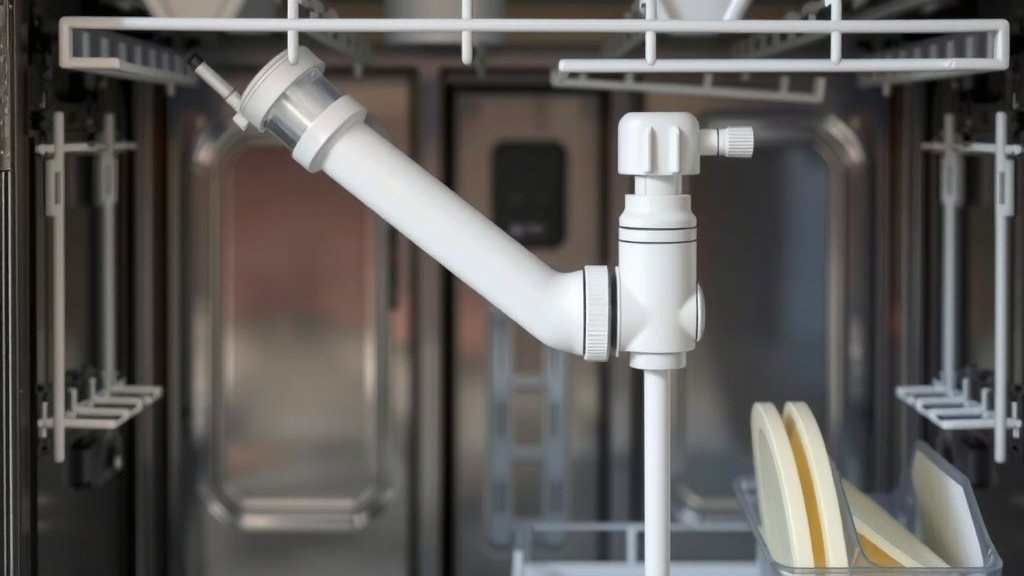
First, you need to get to the spray arm. Most dishwashers have at least one spray arm, often located at the bottom and sometimes another at the top. You’ll need to open the dishwasher door and pull out the racks to get clear access.
Locating the Spray Arm(s)
The lower spray arm is usually the one that swivels at the very bottom of the dishwasher tub. The upper spray arm, if your model has one, is typically attached to the bottom of the upper rack or the ceiling of the dishwasher. Consult your dishwasher’s manual if you’re unsure where to find them.
Detaching the Spray Arm
Removing the spray arm is usually quite simple. The bottom arm often screws off counter-clockwise or simply lifts off after a central nut is removed. The top arm might have a clip or a screw holding it in place. You should hear a click or feel it release. Don’t force it; if it seems stuck, check your manual or look for a small retainer clip.
Pro Tip: Take a quick photo with your phone before you start. This can help you remember how everything fits back together.
2. Clear the Debris from the Holes
Once the spray arm is in your hands, it’s time for the real work: clearing those holes. You’ll want to work in a well-lit area where you can see clearly.
Using a Toothpick or Pin
For stubborn food particles, a toothpick or a sewing pin works wonders. Gently insert the tip into each spray hole and poke around. Try to dislodge any visible debris. Be careful not to enlarge the holes, as this could affect the water pressure.
Rinsing the Spray Arm
After poking, rinse the spray arm thoroughly under warm running water. Hold it under the faucet and let the water flow through the holes. This will help flush out any loosened debris. You might see bits of food or gunk come out.
Dealing with Mineral Buildup
If you suspect mineral buildup, a soak in white vinegar can be very effective. Fill a bowl or your sink with enough vinegar to submerge the spray arm. Let it soak for at least 30 minutes, or even a few hours for tougher buildup. The acidity of the vinegar helps to break down the mineral deposits.
After soaking, use your toothpick or pin again to clear any remaining softened deposits. Rinse it again under warm water. You should notice the holes look much clearer.
3. Reassemble and Test
With the spray arm clean and clear, it’s time to put it back where it belongs. Reattach it following the reverse steps of how you removed it.
Make sure it’s securely fastened. If it’s loose, it might not spin correctly during the wash cycle. Once it’s back in place, load your dishwasher as usual, making sure not to overpack it. Run a short, hot water cycle. Listen for the spray arm to swivel freely. Once the cycle is complete, check your dishes. They should be much cleaner!
Here’s a quick checklist to help you through the process:
- Gather tools: toothpick, pin, white vinegar, bowl/sink.
- Remove the spray arm carefully.
- Poke out visible debris from spray holes.
- Rinse the arm thoroughly under warm water.
- Soak in vinegar if mineral buildup is suspected.
- Reinstall the spray arm securely.
- Run a test cycle and check results.
If after these steps your dishwasher still isn’t cleaning properly, the issue might be with the other spray arm, the water inlet valve, or a more serious component. However, a clogged spray arm is such a common problem that fixing it first is always the best starting point.
Conclusion
You’ve learned that a clogged dishwasher spray arm is a common issue. Luckily, it’s also a fixable one! By taking a few simple steps, you can restore your dishwasher’s cleaning power. Remember to gently clear debris with a toothpick or pin. If mineral buildup is the problem, a vinegar soak is your best bet. Always reattach the spray arm securely.
Don’t let dirty dishes get you down. If you’ve tried these steps and your dishwasher still struggles, it’s time to consult your owner’s manual or consider calling a professional. But for most cases, a clean spray arm means clean dishes. Give it a try and enjoy your sparkling results!
Frequently Asked Questions
How often should I clean my dishwasher spray arm?
It’s a good idea to inspect your spray arm for clogs every few months. If you notice dishes aren’t coming out clean, check it immediately. Regular cleaning prevents major buildup and ensures your dishwasher runs efficiently.
Can I use a wire hanger to unclog the spray arm?
It’s best to avoid using a wire hanger or anything sharp that could enlarge the spray arm holes. A toothpick or a fine needle is safer. You want to clear debris, not damage the arm and affect water pressure.
What if the spray arm is completely stuck and won’t detach?
If the spray arm feels stuck, double-check your dishwasher manual. There might be a specific clip or locking mechanism. Avoid forcing it, as you could break the plastic. A gentle wiggle or a bit of patience might be needed.
Will soaking the spray arm in vinegar damage my dishwasher?
No, soaking the spray arm in white vinegar is safe for most dishwashers. Vinegar is a natural cleaner that breaks down mineral deposits. Just make sure to rinse the arm thoroughly afterward before reassembling.
My dishwasher still doesn’t clean well after cleaning the spray arm. What else could it be?
If cleaning the spray arm didn’t solve the problem, there could be other issues. Check the filter at the bottom of your dishwasher, ensure the upper spray arm is also clean, or look for blockages in the water inlet valve. Your dishwasher’s manual can offer more troubleshooting tips.