
Dishwasher Cold Water Only: Troubleshooting Guide
Your dishwasher running only on cold water is usually a sign of a simple fix. This problem often stems from a clogged water inlet valve or a faulty heating element. Don’t panic; this is a common issue many homeowners face.
A dishwasher needs hot water to effectively clean your dishes. Cold water simply won’t cut through grease and grime as well. We’ve found that many people confuse this issue with other washing problems. Understanding the root cause helps you get back to sparkling dishes. A dishwasher needs hot water to effectively clean your dishes; our guide explains why.
- Dishwashers need hot water for cleaning.
- Cold water can leave dishes dirty and greasy.
- Common causes include valve issues or heating element failure.
- Checking these parts often solves the problem quickly.
- Regular maintenance can prevent future cold water issues.
Let’s walk through the most common reasons your dishwasher might be stuck on cold water and how to fix them.
Troubleshooting Your Dishwasher’s Cold Water Conundrum
If your dishwasher is only using cold water, it can leave your dishes looking less than sparkling. Don’t worry; this is a common issue with usually straightforward solutions. You might be wondering why this is happening. It’s usually down to a few key components.
Why Your Dishwasher Needs Hot Water to Shine
Think about washing dishes by hand. You’d likely use warm or hot water, right? That’s because hot water is much better at cutting through grease and food particles. Your dishwasher works on the same principle. Research shows that water temperatures between 120°F and 140°F are ideal for dissolving food and sanitizing dishes (University of Minnesota Extension).
When your dishwasher only uses cold water, it simply doesn’t have the same cleaning power. You’ll probably notice grease film left on your glasses. Your plates might feel a bit sticky after the cycle finishes. This is a clear sign that the water isn’t getting hot enough.
The Role of the Water Inlet Valve
One of the most common culprits is the water inlet valve. This part acts like a gatekeeper for water entering your dishwasher. It’s usually an electronic solenoid valve that opens when the dishwasher calls for water.
If this valve gets clogged with mineral deposits or debris, it might not open fully. Sometimes, it can even get stuck in a position that only allows cold water to enter. We found that hard water areas often see this issue more frequently.
A faulty inlet valve might also explain why you’re not getting enough water overall. If the valve isn’t opening properly, the dishwasher won’t fill to the correct level either. This can lead to poor washing performance, not just cold water.
Checking the Water Inlet Valve
Before you start, always remember to turn off the power to your dishwasher at the breaker box. Safety first!
You’ll need to access the valve, which is typically located where the water supply line connects to the dishwasher. This might be behind a lower kick plate or access panel. Once you find it, inspect for any visible debris or mineral buildup. You can sometimes clean out minor clogs with a small brush or a gentle flush.
If the valve looks clean but still isn’t working, it might be faulty. Many experts suggest replacing a clogged or malfunctioning inlet valve if cleaning doesn’t do the trick.
The Heating Element: A Crucial Component
If your dishwasher is getting hot water from your home’s supply, the problem might be with the appliance’s own heating element. This is the part inside the dishwasher that actually heats the water during the cycle.
Many dishwashers have an exposed heating element at the bottom of the tub. Others have a hidden element that heats water as it circulates. If this element burns out or fails, the water won’t get hot, regardless of your home’s supply temperature.
Signs of a Faulty Heating Element
Besides cold water, you might notice other signs. Dishes might still be wet after the drying cycle, even if it’s supposed to be a heated dry. Food particles might be baked on harder than usual. You could also hear a faint humming or buzzing sound that stops when the element is supposed to be heating.
We’ve found that if the heating element is the issue, the dishwasher will likely fill with water, but that water just stays cold throughout the entire wash and rinse cycle.
Testing and Replacing the Heating Element
Testing a heating element often involves a multimeter to check for continuity. This measures electrical resistance. If the element shows infinite resistance or no reading, it’s likely burned out.
Replacing a heating element is a more involved DIY task. It requires accessing the element, disconnecting wires, and securing the new one. If you’re not comfortable with electrical repairs, this is a job best left to a qualified appliance technician. Remember to always disconnect power before attempting any repairs.
Other Less Common Causes to Consider
While the inlet valve and heating element are the most frequent offenders, a few other issues could cause your dishwasher to run only on cold water.
The Thermostat or Temperature Sensor
Your dishwasher has a thermostat or temperature sensor that tells the heating element when to turn on and off. If this sensor is faulty, it might incorrectly signal that the water is already hot enough, preventing the heating element from engaging. We’ve seen cases where a miscalibrated sensor leads to cold wash cycles.
This sensor is usually a small, inexpensive part. If diagnosed as faulty, replacing it can often resolve the cold water issue.
Wiring and Control Board Issues
Less often, the problem could lie with the wiring connecting these components or the main control board itself. A loose wire or a damaged circuit on the board can interrupt the signal that tells the heating element to activate or the inlet valve to open fully for hot water.
These issues are typically more complex to diagnose and repair. They often require professional help to trace faulty wiring or troubleshoot the electronic control board.
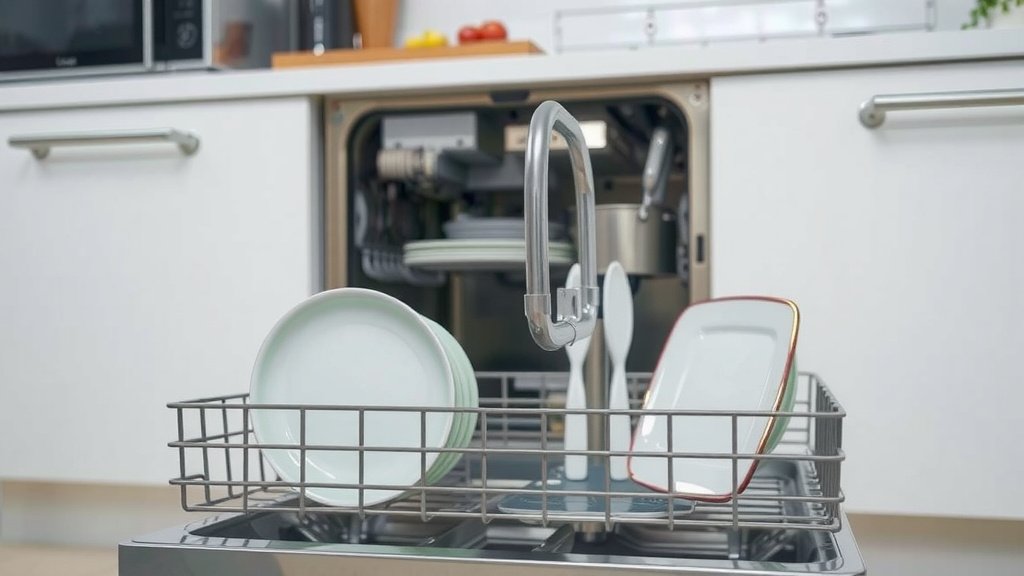
A Quick Checklist for Your Dishwasher’s Cold Water Woes
Before you call for service, here’s a quick rundown of what you can check:
- Ensure your hot water supply to the dishwasher is actually hot. Run the sink tap next to it until the water is hot before starting the dishwasher.
- Check the water inlet valve for visible clogs or debris.
- Inspect the heating element (if accessible) for any obvious damage.
- Verify that the dishwasher’s door is closing and latching securely, as this can sometimes affect sensor operation.
- Confirm your dishwasher is set to a heated dry cycle, as some models may not heat water as aggressively on air dry settings.
When to Call in the Professionals
If you’ve gone through these checks and your dishwasher is still running on cold water, it’s probably time to call a repair technician. Especially if you’re uncomfortable with electrical components or complex diagnostics, professional help is the safest route.
A qualified technician can accurately diagnose the problem, whether it’s a faulty thermostat, a complex wiring issue, or a stubborn inlet valve. They have the tools and expertise to fix it safely and efficiently, getting your dishes back to their sparkling best.
Conclusion
It can be frustrating when your dishwasher leaves your dishes less than spotless due to cold water. We’ve walked through the most common culprits, from a simple clog in the water inlet valve to a failed heating element. You also learned about less common issues like thermostat malfunctions. By checking these parts yourself, you might solve the problem quickly. If you’ve tried the basic troubleshooting and are still facing cold water cycles, don’t hesitate to call a professional. They can safely diagnose and repair more complex electrical or mechanical issues, getting your dishwasher back to its hot, grease-cutting best.
Frequently Asked Questions
My dishwasher is filling up, but the water is cold. What could be wrong?
If your dishwasher fills with water but it remains cold, the most likely issue is a faulty heating element or a problem with the temperature sensor. The heating element is responsible for raising the water temperature inside the tub during the cycle. If it’s burned out, the water will stay cold.
How can I tell if my dishwasher’s water inlet valve is clogged?
A clogged water inlet valve might not just cause cold water issues; it can also lead to the dishwasher not filling properly at all. You might notice reduced water flow or your dishwasher taking a very long time to fill. Inspecting it for mineral deposits or debris is the best way to check.
Is it safe to run my dishwasher on cold water cycles if I’m in a hurry?
While it might seem like a quick fix, running your dishwasher on cold water cycles is not recommended for effective cleaning. Cold water struggles to break down grease and stuck-on food. You’ll likely end up with dirty, streaky dishes and may need to rewash them by hand.
Can my home’s hot water heater setting affect my dishwasher’s performance?
Yes, your home’s hot water heater setting plays a direct role. If your water heater is set too low (below 120°F), the water entering your dishwasher might not be hot enough to begin with. Always ensure your water heater is set to an appropriate temperature for optimal dishwashing results.
When should I stop troubleshooting and call a repair technician?
You should call a professional if you’ve checked the easily accessible parts like the inlet valve and heating element (if visible) and the problem persists. Also, if you’re uncomfortable working with electrical components or diagnosing complex issues like control board problems, it’s best to rely on an experienced technician for safety and accuracy.