How to Start Your Dishwasher: A Simple Guide
Starting your dishwasher is a simple process. You just need to load your dishes, add detergent, close the door, select a wash cycle, and press start. Many people worry about doing it wrong, but it’s designed to be straightforward. It’s easy to get clean dishes with just a few steps.
Ensuring your dishwasher runs efficiently means more than just pushing a button. It involves proper loading techniques for maximum cleanliness and careful selection of wash settings. Understanding these basics can help you avoid common mistakes and keep your dishes sparkling. We’ve found that a little attention upfront saves a lot of re-washing later.
- Load dishes properly.
- Add the correct amount of detergent.
- Close the door securely.
- Select the right wash cycle.
- Press the start button.
Ready to get your dishes squeaky clean? Let’s walk through exactly how to start your dishwasher step by step.
Getting Your Dishes Sparkling: How to Properly Start Your Dishwasher
You’ve done the loading and the pre-rinsing (or decided not to!). Now it’s time to actually *start* the thing. It might seem like just pushing a button, but there are a few key steps to ensure you get those sparkling dishes without any fuss. We’ve found that following a simple routine makes all the difference.
Step 1: Add the Detergent Correctly
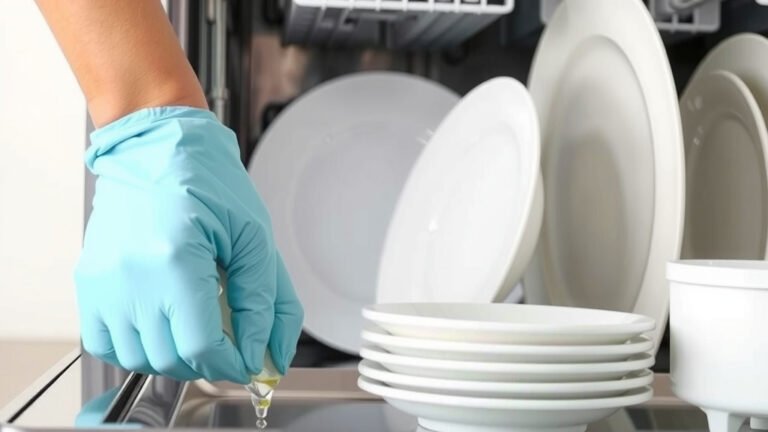
This is where the magic happens! Dishwasher detergent is specially formulated to cut through grease and food particles. Too little, and your dishes might not get clean. Too much, and you could end up with a sudsy mess or residue.
Where Does the Detergent Go?
Most dishwashers have a designated detergent dispenser. This is usually a small compartment located on the inside of the door. You’ll often see a little symbol that looks like a water droplet or a soap bubble to help you find it. Open it up – there might be a little latch or button.
How Much Detergent Should You Use?
The amount depends on the type of detergent and how dirty your dishes are. For pod-style detergents, it’s simple: one pod per load. For powder or liquid detergents, check the detergent packaging. It usually provides a guide, often marked with lines or scoops. We generally recommend starting with the manufacturer’s recommendation. If your dishes aren’t coming out clean, you can try a little more next time. Conversely, if you see white residue, use less.
A common guideline is to fill the main compartment about two-thirds full for powder or liquid. Always ensure the dispenser door can close properly after you’ve added the detergent. Some older models might have a spot on the bottom rack, but the door dispenser is far more common now.
Step 2: Close the Door Securely
This might sound obvious, but a securely closed door is vital for the dishwasher to even begin its cycle. Think of it like closing the lid on a washing machine; the machine won’t start if it senses the door is ajar.
Listen for a distinct click when you close the door. This tells you it’s latched properly. If your dishwasher has a handle, give it a gentle tug to ensure it’s sealed. Some people find that pressing the door shut firmly helps get that satisfying click. A poorly sealed door means water can leak out, and the wash cycle might not perform as intended.
Step 3: Select Your Wash Cycle
Dishwashers aren’t one-size-fits-all. They have different cycles to handle various loads. Choosing the right one can make your dishes cleaner and save energy.
Common Wash Cycles Explained
Here are some of the most frequent options you’ll find on your control panel:
- Normal/Everyday: This is your go-to for a standard load of dishes with typical food soil. It balances water usage and wash time effectively.
- Heavy/Pots & Pans: For those really tough, baked-on messes. This cycle uses hotter water and a longer wash time to tackle stubborn grime. Think lasagna pans or greasy baking sheets.
- Light/China/Delicate: Use this for lightly soiled items or delicate glassware. It uses less water and a gentler wash action to protect fragile items.
- Quick/Express: Need a few plates in a hurry? This cycle is shorter and uses less water, perfect for lightly soiled dishes that don’t need a deep clean. Don’t expect miracles on heavy soil, though.
- Rinse Only: If you’re not ready to run a full cycle but want to prevent food from drying on, this option rinses the dishes without detergent.
When to Use Which Cycle?
We found that most people stick to the ‘Normal’ cycle, which is fine for everyday use. However, experimenting with ‘Heavy’ for tough jobs or ‘Light’ for your good china can yield better results. For example, running a ‘Heavy’ cycle on lightly soiled dishes is often a waste of water and energy. Likewise, using ‘Normal’ on a pot with burnt cheese might leave you disappointed.
Check your dishwasher’s manual if you’re unsure about specific cycles. Many modern dishwashers also have eco-friendly or energy-saving options that can be a great choice for routine washes.
Step 4: Set Additional Options (If Applicable)
Beyond the basic cycle, your dishwasher might offer extra features to customize your wash.
Common Additional Options
You might see buttons for:
- High-Temp Wash: This boosts the water temperature for better sanitation and grease removal. It’s great for baby bottles or cutting boards.
- Sani Rinse/Sanitize: Similar to high-temp wash, but this option is specifically designed to kill bacteria. It often meets NSF standards for sanitization.
- Heat Dry: This uses the heating element at the bottom of the tub to dry your dishes. Some dishwashers have an option to turn this off to save energy.
- Delay Start: Want your dishwasher to run overnight or during off-peak hours? This lets you set a timer for when the cycle should begin.
Consider using these options based on your needs. For instance, if you’re washing items that need extra hygiene, a sanitize cycle is a good investment. If you’re trying to reduce your electricity bill, skipping the ‘Heat Dry’ and letting dishes air dry can help.
Step 5: Press Start!
You’ve done it all: loaded, added detergent, closed the door, and selected your cycle. Now for the grand finale – pressing the start button. This is usually a clearly marked button, often separate from the cycle selection buttons.
Give it a firm press. You should hear the dishwasher begin to fill with water, or see the lights indicate it’s in operation. If nothing happens, don’t panic! Double-check that the door is securely latched and that you’ve selected a cycle and pressed ‘Start’. Sometimes, a second press is needed. If it still doesn’t go, consult your manual or check for any error codes.
What to Expect After You Press Start
Most dishwashers will make a sound as they begin to fill. You might hear water running. The display panel will likely show the estimated time remaining for the cycle. It’s a good idea to check occasionally, especially at first, to ensure it’s running smoothly and not making any unusual noises. We found that knowing what sounds to expect can prevent unnecessary worry.
Dishwasher Troubleshooting Quick Checklist
If your dishwasher isn’t starting, here are a few quick things to check:
- Is the door completely shut and latched? Listen for the click.
- Did you select a wash cycle and then press “Start”?
- Is there power to the dishwasher? Check your circuit breaker if unsure.
- Is the water supply turned on to the dishwasher?
- Are there any error codes displayed on the panel?
Conclusion
You’ve now got the simple steps to starting your dishwasher down pat. Remember, it’s all about adding the right amount of detergent, ensuring that door clicks shut securely, and choosing the wash cycle that best suits your load. These few actions make a big difference in getting your dishes truly clean.
Next time you have a full load, confidently select your cycle and press start. You’re well on your way to enjoying spotless dishes with minimal effort. Your kitchen routine just got a little bit easier!
Frequently Asked Questions
What happens if I don’t close the dishwasher door all the way?
If the door isn’t securely latched, your dishwasher simply won’t start its cycle. It’s a safety feature to prevent water from spraying everywhere. You might hear a click when it’s properly closed, and the machine won’t run until it’s sealed.
Can I use regular dish soap instead of dishwasher detergent?
No, you absolutely should not. Regular dish soap creates far too many suds and will likely cause a foam overflow, making a huge mess in your kitchen. Always use detergent specifically made for dishwashers.
Do I need to rinse dishes before putting them in the dishwasher?
Most modern dishwashers are designed to handle food particles. You generally only need to scrape off large chunks. Pre-rinsing can actually hinder the dishwasher’s detergent from working effectively, as it needs something to cling to.
My dishwasher won’t start. What’s the first thing I should check?
The most common reason is a door that isn’t shut completely. Listen for that distinct ‘click’ when you close it. Also, ensure you’ve selected a wash cycle and pressed the ‘Start’ button firmly. Sometimes a second press is needed.
How do I know if I’m using too much or too little detergent?
If your dishes come out with food still stuck on them, you might be using too little detergent. If you notice white residue or film on your dishes and glassware, you’re likely using too much. Adjust the amount accordingly.