Dishwasher Cycle Too Long? Why 3 Hours Is Normal
Your dishwasher taking 3 hours to complete a cycle is usually not a problem, but it can be a sign of deeper issues. Modern dishwashers often have longer, more efficient cycles to save water and energy. Some specialized cycles, like sanitize or heavy-duty, are naturally longer.
While a long cycle can be normal, it’s worth understanding why it might be happening. Factors like water temperature, the amount of soil on your dishes, and even your home’s water pressure can affect cycle length. We’ve found that sometimes, a simple fix can bring that time down.
- Dishwashers can run for 3 hours due to energy-saving eco cycles.
- Sanitize or heavy-duty washes also take longer.
- Soil level and water temperature impact cycle duration.
- Sometimes, a long cycle means something needs attention.
- Check your manual for typical cycle times.
Let’s look at why your dishwasher might be taking so long and what you can do about it.
Why Your Dishwasher Cycle Lasts So Long
You might be surprised to see your dishwasher running for a full three hours. It can feel like an eternity when you’re waiting for clean dishes. But before you panic, let’s explore why this happens. Many modern dishwashers are designed with efficiency in mind. They use less water and energy. This often means longer wash cycles.
Think of it like a slow cooker versus a microwave. The slow cooker takes longer, but it might produce a more tender result. Similarly, your dishwasher’s long cycle can mean it’s using a gentler, more effective method. We’ve found that understanding your dishwasher’s settings is the first step. Sometimes, a three-hour cycle is simply the default for an eco-friendly wash.
Understanding Different Dishwasher Cycles
Not all dishwashing needs are the same. Your dishwasher has different cycles to tackle various levels of dirt and specific needs. Knowing what each cycle does can explain that extended run time.
The Eco Cycle: Saving the Planet, One Load at a Time
The “Eco” or “Energy Saver” cycle is probably the most common culprit for a long wash time. This cycle uses lower water temperatures. It also relies on longer wash and rinse times to compensate. The goal is to use less electricity for heating water and less water overall. Many studies show these cycles can save you money on utility bills (Energy Star). While it takes longer, it’s generally considered a good option for lightly soiled dishes. You might find this cycle lasts between 2.5 to 3.5 hours. It’s a trade-off for lower energy consumption.
Heavy-Duty and Sanitize Cycles: When Grime Needs Extra TLC
For those baked-on casserole dishes or pots with stubborn residue, the “Heavy-Duty” cycle is your go-to. This cycle uses higher water temperatures and longer wash times to break down tough grease and food particles. It’s designed for maximum cleaning power. Some models also have a “Sanitize” cycle. This uses extremely hot water, often over 150°F, to kill bacteria. These cycles are naturally longer, sometimes reaching three hours or more. They ensure your dishes are not only clean but also germ-free.
Normal and Quick Wash Cycles: For Everyday Needs
Your “Normal” cycle is usually somewhere in the middle, typically lasting 1.5 to 2.5 hours. It’s designed for everyday loads. A “Quick Wash” cycle is for lightly soiled items that you need in a hurry. These cycles are much shorter, often under an hour. If your normal cycle is suddenly taking 3 hours, that might indicate a problem. We’ve found that using the wrong cycle for your dishes is common. Opting for Heavy-Duty when a Normal cycle would suffice can unnecessarily lengthen the wash time.
Factors Influencing Dishwasher Cycle Length
Besides the cycle you choose, several external factors can affect how long your dishwasher runs. These are often overlooked but can make a significant difference.
Water Temperature: The Unsung Hero of Clean Dishes
Dishwashers rely on hot water to break down grease and food. Your dishwasher’s internal heating element heats the water, but it’s most efficient when starting with warm water. If your home’s water heater is set too low, or if the dishwasher is far from the heater, the water might not reach the optimal temperature quickly. The dishwasher then has to work harder and longer to heat the water itself. Many appliance manufacturers recommend a minimum water temperature of 120°F (49°C) entering the dishwasher (ASHARE). If your water heater is set lower, your dishwasher might take longer to compensate. Your home’s water heater setting can impact cycle length, as dishwashers rely on hot water for effective cleaning.
Water Inlet Valve Issues: A Bottleneck for Your Wash
The water inlet valve is the component that allows water to enter your dishwasher. If this valve is partially clogged or faulty, it can restrict the flow of water. When the dishwasher doesn’t fill with water fast enough, it can trigger a longer cycle to compensate. It might wait for more water or extend the wash phase to ensure enough water is used. This can be a sneaky reason for extended cycle times. You might also notice the dishwasher isn’t filling up as much as it usually does.
Home Water Pressure: The Flow of Cleanliness
Believe it or not, your home’s water pressure plays a role. Low water pressure can slow down how quickly the dishwasher fills. If the pressure is too low, the dishwasher might not sense it has enough water. This can lead to extended cycles. According to the U.S. Department of Energy, typical household water pressure should be between 40-60 PSI. If yours is consistently lower, it could impact your dishwasher’s performance. You can often test your home’s water pressure with a simple gauge attached to an outdoor faucet.
Sensor Issues: When Your Dishwasher Gets Confused
Many modern dishwashers have sensors that detect the level of soil on your dishes. If these sensors are dirty or malfunctioning, they might incorrectly signal that the dishes are dirtier than they are. This can cause the dishwasher to automatically switch to a longer, more intensive cycle. For example, a sensor might think there’s heavy grease when it’s just a bit of sauce. This can add significant time to a normal wash. Cleaning these sensors, if accessible, can sometimes resolve the issue.
Troubleshooting a Dishwasher That Takes Too Long
When your dishwasher’s cycle time seems excessive, it’s time to do a little detective work. You can often fix this yourself without calling a repair person.
Check Your Dishwasher Manual: Your First Line of Defense
The first and most important step is to consult your dishwasher’s owner’s manual. It will list the typical cycle times for each setting. This will help you determine if your dishwasher is indeed running longer than it should. The manual will also provide specific troubleshooting tips for your model. Don’t underestimate the power of this simple booklet. We’ve found that many users skip this step and end up frustrated.
Inspect for Blockages: Clearing the Path for Water and Air
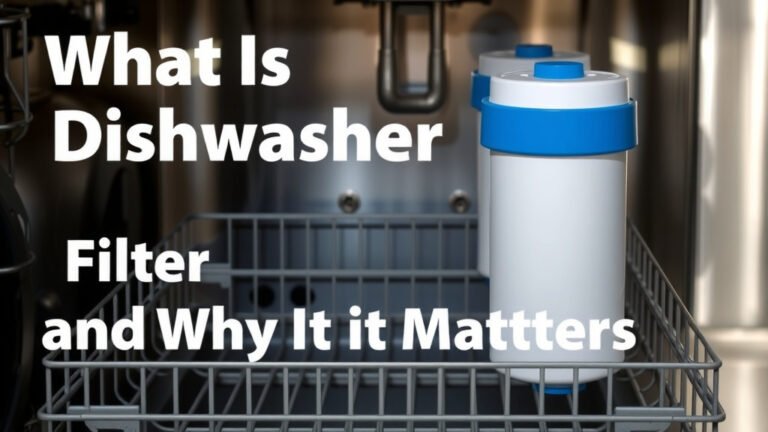
Check the spray arms for clogged holes. Food particles can block the small openings, reducing water spray efficiency. Also, inspect the filter at the bottom of the dishwasher. A clogged filter can impede water circulation. Make sure your dishwasher’s drain hose isn’t kinked or blocked. Any blockage can cause the machine to work harder and longer. Clearing these simple blockages can often speed things up.
Rinse Dishes Adequately: Give Your Dishwasher a Head Start
While modern dishwashers are designed to handle some food debris, excessive scraping can be an issue. If your dishes are caked with large amounts of food, the dishwasher’s sensors might interpret this as heavy soiling. This can trigger longer cycles. A quick scrape to remove large chunks is usually sufficient. You don’t need to pre-rinse every speck of food. This small step can help ensure your dishwasher uses the appropriate cycle length.
Is Your Dishwasher’s Long Cycle a Problem? A Quick Checklist
Let’s summarize what to look for:
- Is the 3-hour cycle an “Eco,” “Heavy-Duty,” or “Sanitize” setting? (This is usually normal.)
- Did you recently change your dishwasher detergent?
- Are your dishes coming out clean and dry after the long cycle?
- Do you hear the dishwasher filling and draining normally?
- Is your home water heater set to at least 120°F (49°C)?
- Have you checked the dishwasher filter for clogs?
If you’ve gone through these checks and your dishwasher is still taking an unusually long time, or if dishes aren’t getting clean, it might be time to investigate further. Sometimes, a simple adjustment can bring that cycle time back to normal. Other times, a component might need attention. We’ve found that most issues can be identified with a little patience and a systematic approach.
Conclusion
Your dishwasher taking up to three hours to run can be perfectly normal, especially with modern eco or heavy-duty cycles designed for efficiency. We’ve learned that factors like water temperature and soil levels also play a role. If your dishwasher’s cycle time has suddenly increased, check your manual first. Simple things like clearing the filter or ensuring adequate water pressure can often resolve the issue. If you’ve tried these steps and suspect a deeper problem, it might be time to contact a professional.
Frequently Asked Questions
Why is my dishwasher’s normal cycle taking 3 hours now?
If your normal cycle has suddenly extended to three hours, it’s worth investigating. This could indicate an issue with sensors, water fill levels, or even a partially blocked inlet valve. Your dishwasher might be compensating for something it perceives as a problem, leading to a longer run time. Consult your manual for troubleshooting steps specific to your model.
Can my home’s water heater setting affect dishwasher cycle time?
Yes, your home’s water heater setting can impact cycle length. Dishwashers rely on hot water for effective cleaning. If your water heater is set too low, the dishwasher’s internal heater has to work harder and longer to reach the optimal temperature. Many manufacturers recommend a water heater setting of at least 120°F (49°C) for best dishwasher performance.
Do I need to rinse my dishes completely before loading?
You don’t need to pre-rinse every speck, but scraping off large food debris is helpful. Excessive food soil can trick your dishwasher’s sensors into thinking the dishes are dirtier than they are. This can prompt the dishwasher to automatically switch to a longer, more intensive cycle. A quick scrape is usually enough for most modern dishwashers.
What’s the difference between an eco cycle and a heavy-duty cycle in terms of time?
Eco cycles are designed for energy and water savings, often using lower temperatures and longer wash times, typically 2.5 to 3.5 hours. Heavy-duty cycles are for tougher jobs, using higher temperatures and longer durations to tackle baked-on food, also often reaching three hours or more. Both are intentionally longer than a normal cycle.
My dishwasher filter is clean, but the cycle is still too long. What else could it be?
If your filter is clean and your cycle is still lengthy, consider other factors like home water pressure, potential sensor issues, or a partially clogged water inlet valve. Also, ensure your dishwasher’s spray arms aren’t blocked and that the drain hose isn’t kinked. Sometimes, a simple reset of the dishwasher can also help.