How to Remove Dishwasher Mold on Door Seal
Yes, you absolutely can clean mold from your dishwasher door seal, and it’s important to do so for hygiene. Mold can thrive in the dark, moist environment of a dishwasher seal. Regular cleaning prevents its spread, ensuring your dishes come out truly clean, not just wet. We found that tackling it early makes the job much easier and less smelly!
That unsightly black or gray gunk on your dishwasher’s rubber gasket is likely mold or mildew. It loves to hide in the folds and crevices of the door seal. Left unchecked, it can cause a musty odor and potentially transfer to your dishes. Many homeowners worry about the health risks, so knowing how to deal with it is key.
- Mold on your dishwasher door seal is common.
- It’s caused by moisture and food debris.
- You can clean it effectively with household items.
- Regular cleaning prevents odors and health concerns.
- A clean seal means cleaner dishes.
Let’s walk through exactly how to get your dishwasher door seal looking and smelling fresh again. You might be surprised at how simple it is!
Tackling Mold on Your Dishwasher Door Seal
Seeing mold or mildew on your dishwasher door seal is a common, though unwelcome, sight. It thrives in damp environments, and the seal is a prime location. You’re likely wondering how to get rid of it and keep it from coming back. We’ve got you covered!
Why Does Mold Grow on Dishwasher Seals?
Your dishwasher door seal is a flexible rubber gasket. Its job is to create a watertight barrier. This means it’s always in contact with water. Food particles and grease from dirty dishes can get trapped in its folds. This creates a feast for mold and mildew spores. These spores are everywhere in the air. When they land on a moist, nutrient-rich surface, they start to grow. Research suggests that dark, humid areas are ideal for mold growth (CDC). Your dishwasher seal fits this description perfectly.
The Role of Moisture and Food Debris
Moisture is essential for mold. Every wash cycle leaves water behind. The seal traps this water. Food particles, like tiny bits of sauce or cheese, provide the nutrients mold needs. Over time, these combine to create the perfect breeding ground. It’s not about having a dirty dishwasher; it’s about the natural conditions inside it. Many experts point out that a lack of airflow can also contribute. This allows moisture to linger longer.
Common Types of Dishwasher Mold
The most common culprit is typically a species of black mold or a gray-green mildew. These are generally harmless in small amounts but can become a nuisance. They don’t usually pose a serious health risk in this context. However, some people can be sensitive. It’s always best to clean it up. You might also notice a slimy film. This is often a bacterial biofilm, which can accompany mold growth.
How to Clean Mold from Your Dishwasher Seal
Cleaning mold from your dishwasher door seal is straightforward. You likely have the necessary cleaning agents already in your home. You don’t need harsh chemicals. Mild solutions work wonders. Make sure to wear gloves and open a window for ventilation. This protects your hands and ensures fresh air circulation.
Gathering Your Cleaning Supplies
Here’s what you’ll need:
- Gloves: To protect your skin.
- Soft cloth or sponge: For wiping.
- Old toothbrush: To get into crevices.
- Cleaning solution: White vinegar or a mild dish soap.
- Warm water: For rinsing.
Step-by-Step Cleaning Process
First, pull out your dishwasher racks. This gives you better access to the seal. You can also open the dishwasher door wide. This helps you see all the affected areas. You want to be able to reach every nook and cranny.
Using White Vinegar (A Natural Disinfectant)
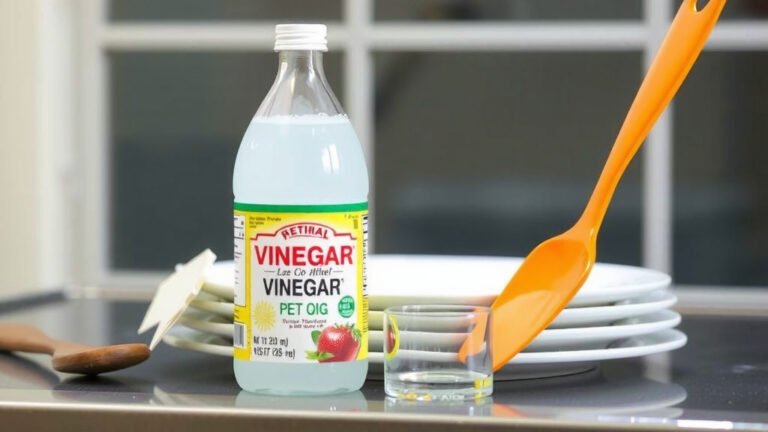
White vinegar is a fantastic natural cleaner. It’s acidic and can kill many types of mold. Many sources recommend it for household cleaning (EPA). Dampen a cloth with undiluted white vinegar. Gently wipe down the entire door seal. Pay close attention to the folds. For stubborn spots, dip an old toothbrush in vinegar. Scrub gently. The toothbrush bristles can reach deep into the seal. After cleaning, wipe the seal with a damp cloth. This removes any vinegar residue. You want to ensure no lingering smell. Many found this to be very effective.
Using Mild Dish Soap and Water
If vinegar isn’t your preference, mild dish soap works too. Mix a few drops of dish soap with warm water. Dip your cloth or sponge into the solution. Wring it out so it’s damp, not dripping. Wipe the seal thoroughly. Use the toothbrush for any difficult areas. Rinse the seal with a clean, damp cloth. Make sure to remove all soap. A clean rinse is important. This method is gentle yet effective for light mold.
Rinsing and Drying the Seal
Once you’ve cleaned the seal, it’s crucial to rinse it well. Use a clean cloth dampened with plain water. Wipe away all traces of your cleaning solution. If you used vinegar, you want to remove the odor. If you used soap, you don’t want suds left behind. After rinsing, dry the seal thoroughly with a clean, dry cloth. Moisture is what allows mold to grow, so drying is a key step. You want the seal to be completely dry.
Preventing Mold from Returning
The best way to deal with mold is to stop it before it starts. Prevention is far easier than cleaning. A few simple habits can make a big difference. You can keep your dishwasher smelling fresh. You can also ensure your dishes get truly clean.
Wipe Down the Seal Regularly
After each wash cycle, take a moment. Open the dishwasher door. Use a dry cloth to quickly wipe down the door seal. This removes residual moisture and any loose food particles. It only takes a few seconds. We found this simple step dramatically reduces mold growth. It’s a habit worth adopting.
Run Your Dishwasher More Often
Infrequent use can be a problem. If your dishwasher sits unused for days, moisture can stagnate. Running it at least every couple of days helps. This keeps things moving. It also rinses away potential food debris. This reduces the time mold has to establish itself. Experts suggest running it regularly to maintain hygiene.
Clean Food Traps and Filters
Your dishwasher has filters. These catch larger food particles. If these get clogged, they can contribute to odors and mold. Consult your dishwasher’s manual for instructions. Cleaning these filters regularly is essential. It’s usually a simple process. Many manuals show you how to remove and rinse them.
Leave the Door Ajar After Cycles
Once a cycle is complete, leave the dishwasher door slightly open. This allows for better air circulation inside. It helps dry out the interior more effectively. It prevents that lingering dampness. You can prop it open with a towel or a dishcloth. This simple act combats humidity. Leaving the door ajar to allow for better air circulation helps prevent moisture buildup.
Deep Cleaning Your Dishwasher Occasionally
Beyond the seal, your dishwasher needs a deeper clean periodically. Run an empty cycle with a dishwasher cleaner. Or, use a cup of vinegar placed on the top rack. This helps clean the interior walls and spray arms. It flushes out any buildup. Doing this monthly can prevent bigger issues.
Here’s a quick checklist for keeping your seal mold-free:
- Wipe the seal dry after each use.
- Run your dishwasher regularly.
- Clean the filter and food trap.
- Leave the door ajar to air out.
- Perform a deep clean monthly.
Conclusion
You’ve learned that dishwasher door seal mold is a common issue. It’s caused by moisture and food particles in a hidden spot. Thankfully, you can easily tackle it with household items like vinegar or dish soap. Remember, the best defense is a good offense. By wiping down the seal after use, letting it air out, and keeping your dishwasher clean, you can prevent mold from returning.
Make cleaning the seal a regular habit. Your dishes, and your nose, will thank you for it. Start by giving your seal a good clean today, and then put those prevention tips into practice!
Frequently Asked Questions
How often should I clean my dishwasher door seal?
We recommend wiping down your dishwasher door seal after each use to remove moisture and food debris. A deeper clean with vinegar or soap can be done monthly or whenever you notice any signs of mold or odor.
Can dishwasher mold make me sick?
While typical dishwasher mold found on seals is usually not a serious health hazard, it can trigger allergies or respiratory issues in sensitive individuals. It’s always best to keep it clean for hygiene reasons.
What’s the difference between mold and mildew on my dishwasher seal?
Mold and mildew are both types of fungi. Mildew often appears as a flat, powdery growth, while mold can be fuzzy or slimy and may grow in more complex patterns. Both thrive in damp environments like your dishwasher seal and can be cleaned using similar methods.
Are there specific dishwasher cleaning products for mold?
While specific mold removers exist, we found that common household cleaners like white vinegar or mild dish soap are highly effective for dishwasher seal mold. These natural options are often safer and just as powerful for this particular job.
My dishwasher still smells musty after cleaning the seal, what else could it be?
If the musty smell persists, the mold might be elsewhere in your dishwasher. Check the filter, drain, and spray arms. Running an empty hot cycle with vinegar or a dishwasher cleaner can help address hidden mold or grime throughout the machine.