Dishwasher Energy Saving Tips for Lower Bills
Yes, you can save a lot of energy and money by using your dishwasher more wisely. Simple changes to how and when you run it can make a big difference to your utility bills. Making a few tweaks means you’re being kinder to your wallet and the planet.
Many people overlook how much electricity and water their dishwasher uses. But with a few smart habits, you can easily reduce its environmental impact. You might be surprised at how much energy you’re currently using without realizing it.
- Always run a full load.
- Scrape, don’t rinse, plates.
- Use the air-dry setting.
- Run cycles during off-peak hours.
- Choose an eco-friendly cycle when possible.
Ready to become a dishwasher energy-saving pro? Let’s walk through some super simple tips that will help you cut down on waste.
Mastering Your Dishwasher for Maximum Energy Savings
Want to make your dishwasher more eco-friendly and slash your energy bills? You’re in the right place! We’ve gathered some super effective ways to save energy without sacrificing a sparkling clean load of dishes.
Many of us use our dishwashers daily, but we might not think about their energy footprint. Research shows that dishwashers can account for a noticeable portion of your home’s water and energy use (Energy Star). But don’t worry, making a few smart adjustments can lead to big savings.
The Power of a Full Load
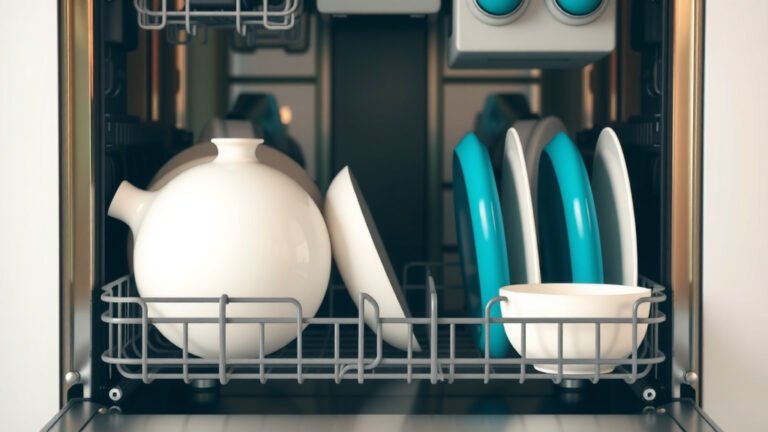
This might seem obvious, but it’s the golden rule of dishwasher efficiency. Always wait until your dishwasher is completely full before running a cycle. Running it half-empty wastes water, energy, and detergent.
Think of it like doing laundry. You wouldn’t wash just two shirts, right? The same logic applies to your dishes. A full load means you’re getting the most cleaning power for the energy and water used.
How to Know If Your Dishwasher is Truly Full
Don’t just stuff it in! A full load means dishes are arranged properly so water and detergent can reach all surfaces. We found that a good rule of thumb is to ensure no large items are blocking the spray arms’ rotation. Make sure you can’t easily fit more in without it being a squeeze.
Scraping vs. Rinsing: What’s the Difference?
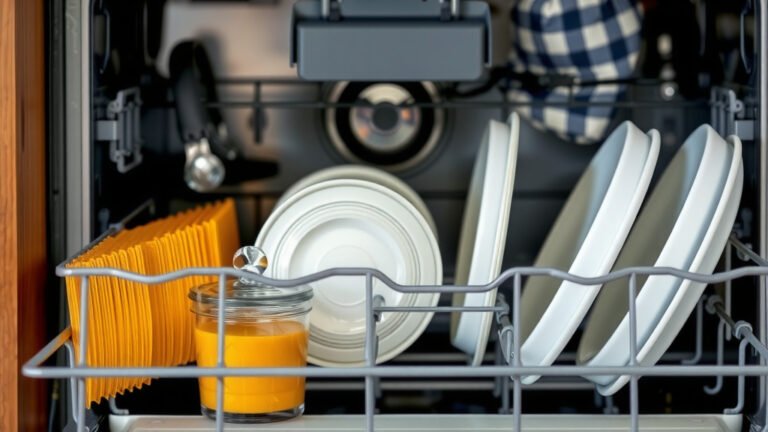
Many dishwashers today are powerful enough to handle food scraps. You should scrape off any large food particles, but avoid pre-rinsing your dishes under the tap. Running the water to rinse plates uses extra energy and water, often for little benefit.
Modern dishwashers have sophisticated spray jets and detergents that are designed to break down even tough, dried-on food. Some experts note that a bit of food residue can even help the detergent bind better, leading to a cleaner wash (Consumer Reports). So, go ahead and trust your machine!
When Pre-Rinsing Might Be Necessary
Are there exceptions? Yes. If you have large, hard items like bones or seeds, it’s best to scrape those away. Also, if you know you won’t be running the dishwasher for a day or two, a quick scrape prevents food from hardening too much. But for everyday loads, skip the rinse!
Harnessing the Air-Dry Option
Did you know that the heated dry cycle on your dishwasher uses a significant amount of energy? It’s often the biggest energy guzzler in the cycle. This feature uses a heating element to dry your dishes, much like a small oven.
The simplest way to save energy here is to bypass the heated dry altogether. Most dishwashers have an “air dry” or “no heat” option. When you open the door slightly after the wash cycle, your dishes will air dry naturally.
Tips for Effective Air Drying
To speed up air drying, we found that tilting cups and bowls so they face downwards helps water drain off more quickly. Also, opening the dishwasher door fully right after the cycle finishes allows for better air circulation. It might take a little longer, but your wallet and the planet will thank you.
Timing is Everything: Off-Peak Energy Use
Many utility companies offer lower electricity rates during off-peak hours. These are typically times when energy demand is lower, such as late at night or early in the morning. Running your dishwasher during these periods can lead to Running your dishwasher during off-peak hours can lead to noticeable savings.noticeable savings on your electricity bill.
Check with your local utility provider to see if they have time-of-use pricing plans. If they do, it’s worth considering running your dishwasher and other high-energy appliances overnight. You might be sleeping, but your dishwasher is hard at work saving you money!
Understanding Your Utility Bill
Take a look at your electricity bill or log into your utility account online. You should be able to see if different rates apply at different times of the day. This information will help you plan your dishwasher usage strategically.
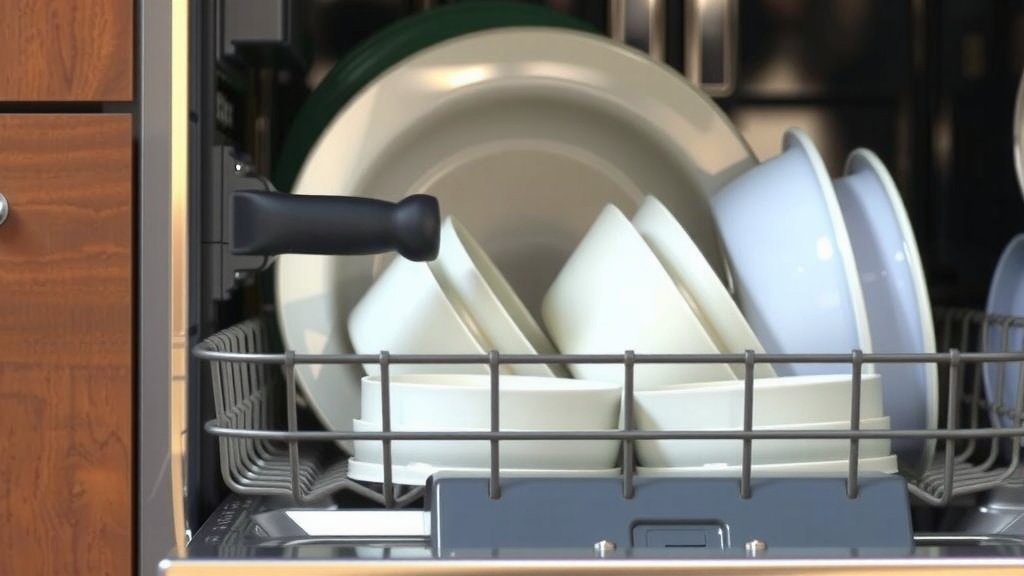
Choosing the Right Wash Cycle
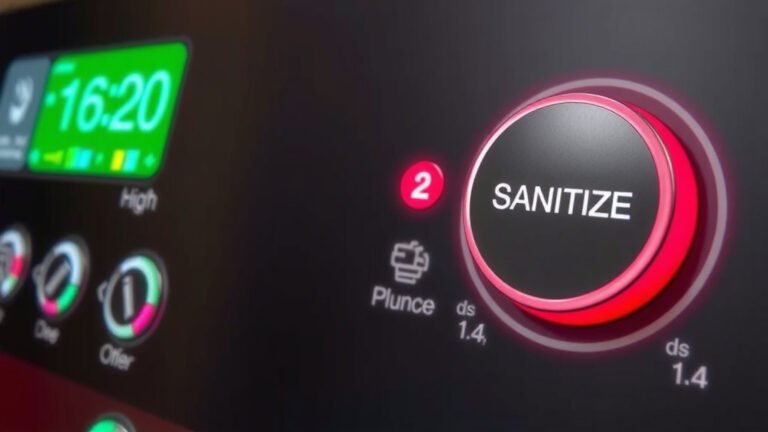
Your dishwasher likely has several wash cycle options. For most everyday loads, a standard or “normal” cycle is sufficient. However, for lightly soiled items, consider using a lighter or eco-friendly setting if your model offers one.
These cycles use less water and a lower temperature, which translates directly to less energy consumption. We found that many modern dishwashers have dedicated “eco” modes that are specifically designed for energy efficiency without compromising on cleanliness.
When to Use Heavy Duty Cycles
Save your heavy-duty or pots-and-pans cycles for when they’re truly needed. These cycles use more water and heat, so they consume more energy. Only opt for them when dealing with heavily soiled dishes that absolutely require extra cleaning power.
Dishwasher Maintenance for Efficiency
A well-maintained dishwasher runs more efficiently. Regularly clean the filter at the bottom of your dishwasher. This filter traps food particles, and a clogged one can make your machine work harder.
We found that cleaning the filter monthly, or more often if you notice reduced performance, is a good habit. Also, check the spray arms periodically to ensure they aren’t blocked by debris. This simple maintenance ensures water can flow freely and clean your dishes effectively.
Table: Energy Usage Comparison of Dishwasher Cycles
Here’s a general idea of how different cycles can impact energy use. Keep in mind that exact figures vary by model and water temperature.
| Cycle Type | Estimated Energy Use (Relative) | Water Use (Relative) |
|---|---|---|
| Heavy Duty | Highest | Highest |
| Normal/Standard | Medium | Medium |
| Light/Eco | Low | Low |
| Quick Wash | Medium (can be higher if heating water longer for shorter time) | Low/Medium |
| Air Dry Option (instead of Heated Dry) | Very Low (only pump energy) | N/A |
Your Dishwasher Energy Saving Checklist
Ready to put these tips into action? Here’s a quick checklist to keep you on track:
- Always run full loads.
- Scrape, don’t rinse, your dishes.
- Use the air-dry setting whenever possible.
- Run cycles during off-peak hours.
- Select an eco-friendly cycle for lighter loads.
- Clean the filter regularly.
Conclusion
You’ve learned how easy it can be to make your dishwasher a star player in your home’s energy-saving efforts. By simply running full loads, scraping instead of rinsing, and choosing the right cycle, you’re already making a big impact. Remember to utilize the air-dry setting and time your cycles for off-peak hours if your utility offers it. These small shifts in habit can lead to lower utility bills and a lighter footprint on the planet. Start implementing these tips today, and you’ll be well on your way to a more efficient and cost-effective way of doing dishes.
Frequently Asked Questions
How much energy does my dishwasher actually use?
Your dishwasher’s energy consumption varies by model and how you use it. The heated dry cycle and frequent, short washes tend to use the most energy. By following the tips in this guide, you can significantly reduce this usage.
Is it really necessary to scrape dishes before loading?
For most modern dishwashers, you only need to scrape off large food particles. Pre-rinsing under running water uses extra energy and water. Your dishwasher is designed to handle typical food residue effectively.
Will air-drying my dishes make them less clean?
No, air-drying will not affect the cleanliness of your dishes. The wash cycle already removes food and grime. Air-drying simply uses natural airflow to remove moisture instead of a heating element.
When should I use a heavy-duty cycle on my dishwasher?
You should reserve heavy-duty cycles for pots, pans, or dishes with heavily baked-on or dried-on food. These cycles use more water and higher temperatures, so they consume more energy and should be used sparingly.
How often should I clean my dishwasher’s filter?
It’s a good practice to clean your dishwasher’s filter monthly, or even more often if you notice your dishes aren’t coming out as clean. A clogged filter makes your dishwasher work harder and less efficiently.