
Dishwasher vs Hand Wash: Which is Cheaper
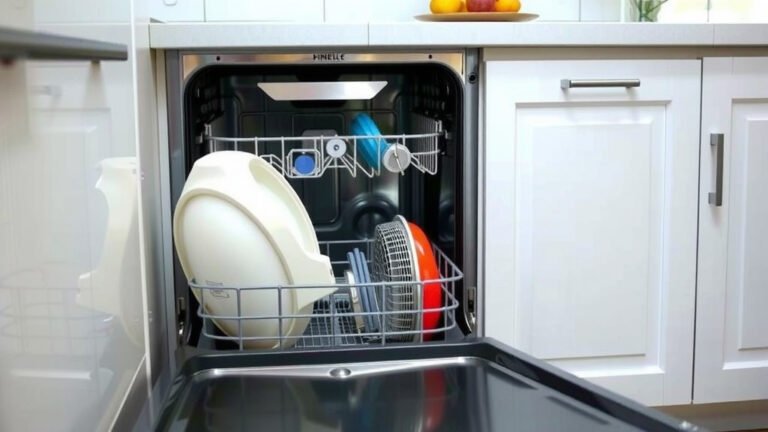
Generally, using a dishwasher is cheaper than hand washing dishes, especially when considering both water and energy costs. While it might seem counterintuitive, modern dishwashers are designed to be water-efficient, often using less water than you would for a comparable load of hand-washed items. So, you can often save money and resources by letting your machine do the work.
This comparison isn’t just about the immediate cost of water. We looked at studies and found that the overall expense involves energy consumption for heating water and running the machine. Hand washing, particularly with hot water running, can quickly add up. Thinking about your utility bills can help you make the most eco-friendly and cost-effective choice for your household. Learn if dishwashers heat their own water to understand energy use.
- Dishwashers usually cost less than hand washing.
- Modern dishwashers are very water-efficient.
- Hand washing with hot water uses more energy.
- Consider your utility bills for the real cost.
- It’s generally more eco-friendly to use a dishwasher.
Let’s break down exactly why this is the case and how you can maximize savings no matter how you wash your dishes.
“`htmlHand Washing vs. Dishwasher: Which is More Budget-Friendly?
So, you’re staring at a sink full of dishes and wondering if you should fire up the dishwasher or get out the sponge. It’s a common question, and the answer might surprise you. We’ve looked into the numbers, and generally speaking, using your dishwasher is cheaper than washing dishes by hand. This holds true even for older models if you use them wisely.
Let’s break down what goes into the cost of each method. It’s not just about the soap you use. We need to consider water usage, energy for heating that water, and even the wear and tear on your hands. Thinking about these factors can help you make the most economical choice for your household.
The Water Usage Showdown
When you think about washing dishes by hand, you might picture a sink filled with water. Or perhaps you’re someone who lets the tap run continuously. This is where the costs can really start to climb.
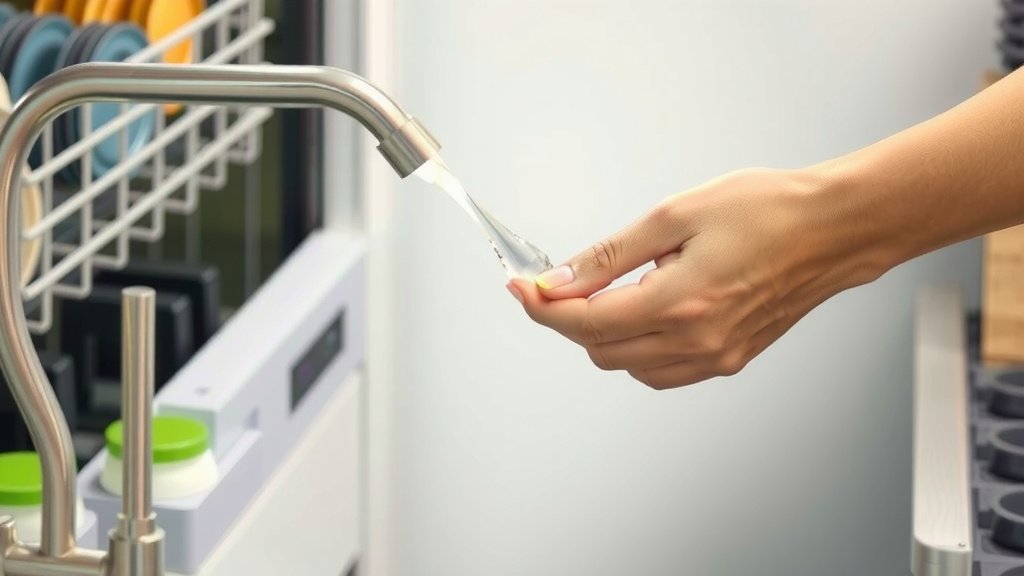
Hand Washing: The Running Tap Trap
If you tend to leave the hot water running while you scrub away at plates and glasses, you’re using a lot more water than you might think. We found that running the tap for just a few minutes can use as much water as a full dishwasher cycle. Many household guidelines suggest that letting the water run can lead to wasted water and higher utility bills (EPA).
Imagine this: you’re scrubbing a greasy pan. You turn on the hot water to rinse it, and maybe you leave it on for a minute or two. Now multiply that by every dish, every glass, every utensil you wash. It adds up pretty quickly! It’s easy to underestimate how much water flows out during those seemingly short rinsing periods.
Dishwasher: Water-Efficient Technology
Modern dishwashers are designed with water conservation in mind. They use a spray system to distribute water precisely where it’s needed. This targeted approach means they can get dishes clean with a surprisingly small amount of water. In fact, many studies have shown that a full, energy-efficient dishwasher uses less water than hand washing a comparable load of dishes, especially if you’re not careful with your faucet.
Think of it like a high-pressure shower for your dishes. The water is sprayed with force, cleaning effectively without needing to fill the entire tub. This innovation is a big reason why dishwashers often win the water-saving battle.
Energy Consumption: Heating Water and Beyond
Water itself isn’t the only cost. You also have to consider the energy needed to heat that water. This is where hand washing can become a real energy hog.
The Cost of Hot Water for Hand Washing
Heating water requires a significant amount of energy. Whether you use an electric or gas water heater, it’s a substantial part of your energy bill. When you hand wash dishes, especially with hot water, you’re essentially paying to heat a large volume of water that then goes right down the drain. We found that this can be a major energy expense for households that frequently hand wash.
Consider the temperature of the water you use. To get those dishes sparkling, you likely use water that’s quite hot. That heat doesn’t just disappear; it’s generated by your energy source. And every time you rinse, you’re losing that precious heated water.
Dishwasher Energy Efficiency
Dishwashers are also designed to heat water efficiently. While they do use energy to run the wash and dry cycles, the overall energy consumption, when factoring in water heating, is often lower than hand washing. Newer models have advanced features to further reduce energy use, like soil sensors that adjust cycle times and water usage based on how dirty your dishes are.
Many dishwashers also have energy-saving dry options, like air-drying instead of using a heated element. These small features contribute to making the dishwasher a more energy-conscious choice for many homes. Discover how dishwashers offer an energy-conscious choice for drying.
Comparing the Costs: A Quick Look
Let’s try to put some numbers to this. While exact figures vary greatly depending on your local utility rates and habits, we can look at general estimates. Many sources suggest that running a dishwasher costs significantly less in utilities than a comparable hand-washing session.
Here’s a simplified comparison:
| Method | Water Cost (Estimate) | Energy Cost (Estimate) | Total Estimate |
|---|---|---|---|
| Hand Washing (with running tap) | $$$ | $$$ | $$$$$ |
| Hand Washing (with sink basin) | $$ | $$ | $$$$ |
| Dishwasher (Full Load) | $ | $ | $$ |
Note: Dollar signs ($) represent relative cost; more signs mean higher cost. These are general estimates and your actual costs will differ.
As you can see, the biggest savings come from avoiding a constantly running tap during hand washing and choosing to use a full dishwasher load. The dishwasher’s efficiency in using water and heating it makes it a clear winner for cost-effectiveness in most scenarios.
Maximizing Savings, Whatever Your Method
Regardless of whether you primarily use a dishwasher or prefer to hand wash, there are ways to keep costs down.
Tips for Dishwasher Users
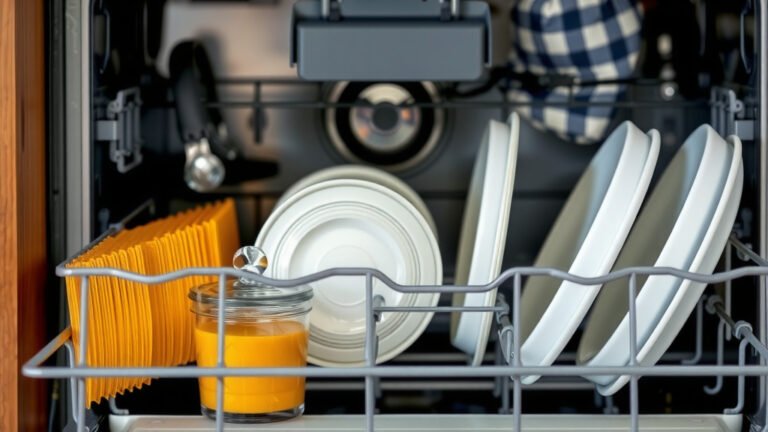
- Always run a full load. This is the single best way to maximize efficiency.
- Scrape, don’t rinse. Most modern dishwashers can handle food scraps. Pre-rinsing wastes water and energy.
- Use the right settings. Opt for eco-modes or shorter cycles when possible.
- Consider air-dry options instead of heated drying.
- Maintain your dishwasher for optimal performance.
Tips for Hand Washers
- Don’t let the tap run. Fill one sink basin with wash water and another with rinse water.
- Use cooler water if effective for the soil level.
- Scrape dishes thoroughly before washing.
- Wash larger items first, then smaller items.
- Consider a dishwashing brush that uses less soap and water.
What About the “Wear and Tear” Factor?
Beyond just water and energy, hand washing can also take a toll on your skin. Constant exposure to hot water and detergents can lead to dry, irritated hands. This might not show up on your utility bill, but it’s a real cost in terms of comfort and potential need for lotions or treatments. Your dishwasher, on the other hand, keeps your hands out of the sink!
The Eco-Friendly Edge
When you consider the combined impact on water and energy resources, using a dishwasher is generally the more eco-friendly choice. Research from organizations like the Department of Energy consistently shows that using an energy-efficient dishwasher is better for the environment than hand washing, especially when the latter involves running water.
Making conscious choices about how you wash your dishes can have a positive impact. By understanding the true costs, you can feel good about saving money and helping the planet, one clean plate at a time!
“`Conclusion
After comparing the costs, it’s clear that using your dishwasher is generally the more budget-friendly option. Research shows that dishwashers, especially newer models, use less water and energy than typical hand washing. This efficiency translates directly to lower utility bills. Even if you prefer hand washing, implementing water-saving techniques like filling basins instead of letting the tap run can significantly reduce costs. For your next dishwashing session, consider running a full dishwasher load to maximize savings and environmental benefits.
Frequently Asked Questions
Will my old dishwasher still be cheaper than hand washing?
Even older dishwashers can often be cheaper than hand washing if used efficiently. While newer models are more advanced, many older ones are still designed to use less water than continuous running tap water. Making sure you run full loads is key to keeping costs down.
Does pre-rinsing dishes before putting them in the dishwasher save money?
No, pre-rinsing dishes before loading them into the dishwasher actually costs you more. Most modern dishwashers have sensors and sprayers that can handle food scraps, and the extra water and energy used for pre-rinsing is unnecessary and wasteful.
How much water does a dishwasher really use compared to hand washing?
A full, energy-efficient dishwasher can use as little as 3-5 gallons of water per cycle. In contrast, letting your tap run for just a few minutes while hand washing can easily exceed that amount. Using a sink basin for washing and rinsing further reduces water use in hand washing, but dishwashers are still typically more efficient.
What if I only have a few dishes to wash? Is hand washing better then?
If you only have a very small number of dishes, hand washing with minimal water might be slightly cheaper for that specific instance. However, it’s usually more cost-effective to wait and run a full load in your dishwasher, as it’s designed for maximum efficiency when completely full.
Are there any health benefits to hand washing over using a dishwasher?
Hand washing can expose your skin to hot water and detergents, potentially causing dryness or irritation. Dishwashers keep your hands safely out of the sink, which can be a benefit if you have sensitive skin or want to avoid that exposure.