Running a Half Empty Dishwasher: Is It Okay
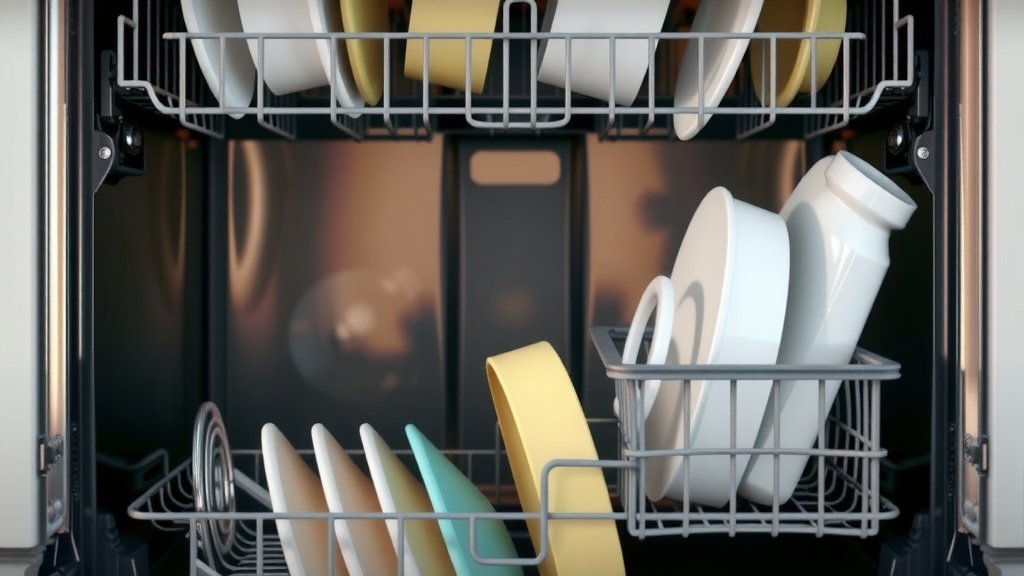
Yes, you can absolutely run a half-empty dishwasher! It’s a common question, and the good news is that you don’t need to wait for a full load to get your dishes clean. Many dishwashers are designed to work effectively even when not completely full, saving you both time and water.
Running your dishwasher with fewer dishes is a smart way to manage your chores. It helps ensure you have clean dishes when you need them without wasting excessive water or energy. Plus, it’s better than letting dirty dishes pile up for days or resorting to washing them by hand, which often uses more water.
- Yes, you can run a half-empty dishwasher.
- It’s more efficient than waiting for a full load.
- This saves water and energy compared to handwashing.
- Modern dishwashers adjust water usage based on load size.
Let’s dive into why it’s perfectly fine and how your dishwasher handles smaller loads so you can feel good about those mid-week washes.
Your Dishwasher and Small Loads: A Modern Match
So, can you run a dishwasher with just a few dishes? The short answer is a resounding yes! You don’t need to wait for it to be packed to the brim.
Modern dishwashers are much smarter than older models. They often adjust the amount of water and energy used based on how full the machine is. This means running it with a smaller load is usually perfectly fine. It’s often more efficient than letting dishes pile up.
The Efficiency Advantage: Why Smaller Loads Make Sense
You might be wondering if it’s a waste of electricity and water to run the dishwasher when it’s not full. We’ve all heard the advice to always wait for a full load. But here’s the scoop: for many of us, that advice is outdated.
Think about it. Dirty dishes waiting for days can get really crusty. Then you have to scrape and scrub harder. Sometimes, you even end up washing them by hand. Handwashing a small load can actually use more water than running your dishwasher once. Research has found that the average dishwasher cycle uses about 3-5 gallons of water. Some older handwashing methods could easily use up to 20 gallons.
Modern Dishwashers: Smarter Water Usage
Many newer dishwashers have sensors. These sensors detect how soiled your dishes are and how much water is needed. Some even weigh the load. This technology means they can automatically reduce water and energy consumption for smaller loads. You’re not just blindly filling it up with excess water.
This auto-sensing feature is a big deal for efficiency. It helps you avoid that guilty feeling of running a half-empty machine. Your appliance is working smarter, not just harder. It’s a win-win for clean dishes and your utility bills.
What About Older Models?
If you have an older dishwasher that doesn’t have these fancy sensors, you might be using a bit more water. However, it’s still often more water-efficient than widespread handwashing. You can still use it for smaller loads, but you might be getting less of an efficiency boost.
For older machines, the key is to optimize placement. Make sure dishes are placed so they get clean. Don’t overcrowd them. Proper loading ensures even water flow, even if the machine doesn’t adjust the water level itself.
When is it Okay to Run a Half-Empty Dishwasher?
There are definitely times when running a smaller load is the smarter choice. It’s not just about convenience; it’s about managing your household tasks effectively.
The “Need Them Now” Scenario
Let’s say you’re hosting a dinner party or have a big family breakfast. You’ve run out of clean plates, cups, or utensils. Waiting for a full load means dirty dishes will pile up. You might have to handwash items anyway. In this case, running the dishwasher with what you have is perfectly sensible.
This is especially true if you have specific items you need clean for the next meal. Keeping your kitchen tidy and functional is important. Nobody likes a sink full of dirty dishes, right?
The “Preventing Stinky Situations” Rule
You know that feeling when the trash gets a little… fragrant? Dirty dishes left too long can contribute to household odors. Food particles can start to smell, especially in warmer weather. Running the dishwasher, even with a partial load, helps to clear out the dirty dishes promptly.
This prevents unpleasant smells from taking over your kitchen. It’s a small step that makes a big difference in your home environment. Keeping things fresh is a win.
The “Daily Essentials” Wash
For smaller households, a full dishwasher load might not happen every day. If you’re a single person or a couple, waiting for a full load could mean waiting several days. This leads back to the issues of odor and crusty dishes.
Consider running it every night or every other night, depending on your usage. This ensures you always have clean essentials available. It’s about finding a rhythm that works for you.
Maximizing Your Dishwasher’s Performance with Smaller Loads
Even when you’re not running a full load, you can do a few things to ensure your dishes come out sparkling.
Smart Loading Techniques
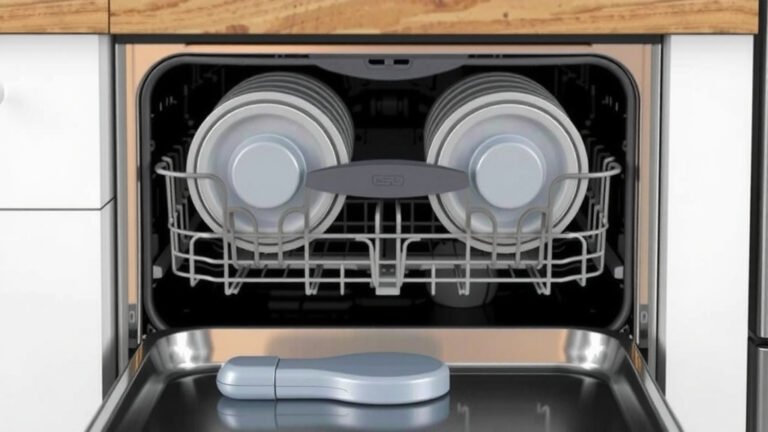
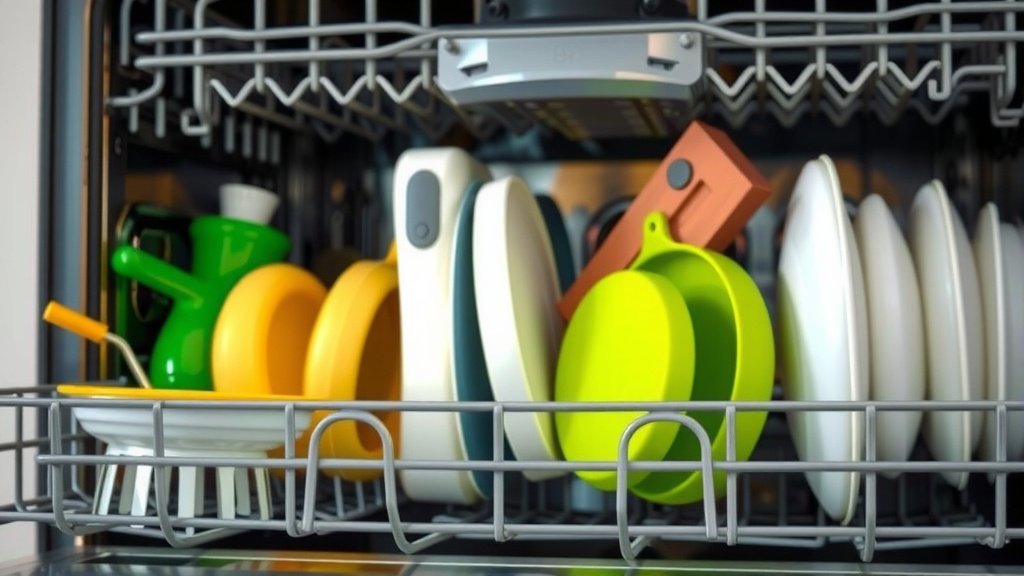
Proper loading is key, no matter the size of the load. Make sure dishes aren’t blocking the spray arms. Place larger items on the bottom rack and smaller items on the top. Ensure nothing is nesting together too tightly, which can prevent water and detergent from reaching all surfaces.
Don’t overcrowd the dishwasher. This is more important with smaller loads because you have space. Give each item room to breathe and get clean. This prevents spots and ensures a thorough wash.
Using the Right Settings
If your dishwasher has special settings for smaller loads, use them! Some models offer an “half load” or “eco” cycle. These cycles typically use less water and energy. They are designed to be efficient for fewer dishes.
If you don’t have specific settings, a normal cycle is usually fine. The machine’s sensors will hopefully do their job. You can also check your manual for recommendations on optimal cycles for different load sizes.
Choosing the Right Detergent
Using a good quality dishwasher detergent is always important. For smaller loads, make sure you’re not using too much detergent. Follow the manufacturer’s recommendations for your specific detergent. Too much detergent can sometimes lead to filmy dishes.
Some detergents come in pods or tabs, which makes dosing easy. If you use powder or gel, ensure you’re not overfilling the dispenser. It’s a small detail, but it matters for getting clean results.
Dishwasher Load Size: A Quick Comparison
Let’s break down the efficiency trade-offs you might be considering:
| Scenario | Water Usage (Estimated) | Energy Usage (Estimated) | Pros | Cons |
|---|---|---|---|---|
| Full Dishwasher Load | Lowest per dish | Lowest per dish | Most efficient use of resources. | Requires waiting for a full load, potentially leading to stale dishes. |
| Half-Empty Dishwasher Load (Modern Machine) | Low to Moderate | Low to Moderate | Saves time, ensures clean dishes quickly, good for smaller households. | Slightly higher water/energy use per dish compared to a full load. |
| Handwashing a Few Items | High | Moderate (hot water heating) | Quick for very small, immediate needs. | Often uses significantly more water than running the dishwasher. Can be time-consuming. |
When to Hold Off on Running a Small Load
While running a half-empty dishwasher is generally okay, there are a few situations where you might want to wait for a fuller load.
Maximum Efficiency is the Goal
If your primary goal is to use the absolute minimum amount of water and energy possible for cleaning your dishes, then waiting for a full load is still the winner. The cost per dish cleaned is lowest when the machine is packed efficiently.
This is especially true if you have a more basic dishwasher model without advanced water-saving sensors. In these cases, the machine is likely filling to a standard level regardless of how many dishes are inside.
Extremely Light Loads
If you only have one or two items, running the entire cycle might feel like overkill. In such rare cases, a quick hand wash might indeed be faster and more resource-efficient. Think of a single coffee mug and a spoon.
However, even with just a few plates and glasses, most modern dishwashers are designed to handle it without extreme waste. It’s about finding a balance that works for your household.
Your Dishwasher Checklist for Smart Washing:
- Always scrape off large food scraps.
- Load dishes properly to allow water flow.
- Don’t block spray arms or sensors.
- Use the right amount of detergent.
- Consider “half load” or “eco” cycles if available.
- Run smaller loads when needed to avoid odors and delays.
Ultimately, running a dishwasher with fewer dishes is a practical solution for many households. Your appliance is designed to adapt, and you can feel confident in choosing convenience and cleanliness when you need it.
Conclusion
You absolutely can run your dishwasher with a half-empty load. Modern dishwashers are designed with smart sensors that often adjust water and energy use, making partial loads more efficient than you might think. This flexibility helps you avoid smelly dishes and always have clean essentials ready. While a full load is the peak of efficiency, don’t hesitate to run a smaller load when you need dishes quickly or to maintain kitchen freshness. So, next time you’re wondering if a few items warrant a wash, trust that your appliance can handle it smartly. Your best bet is to check your dishwasher’s manual for specific load size settings and focus on smart loading techniques.
Frequently Asked Questions
Will running a half-empty dishwasher waste water and electricity?
Modern dishwashers often have sensors that detect the load size and adjust water and energy accordingly. This means you’re likely using less than a full cycle’s worth. While a completely full load is the most efficient, running a partial load is usually better than handwashing or letting dishes pile up.
How do I know if my dishwasher can handle small loads efficiently?
Many newer dishwashers have an “eco” or “half load” setting specifically for smaller washes. If yours doesn’t have a dedicated setting, consult your owner’s manual. It should provide guidance on how your model handles partial loads, and if it has auto-sensing technology.
Is it better to handwash a few dishes or run a half-empty dishwasher?
For just one or two items, handwashing might be quicker. However, research indicates that even older dishwashers can be more water-efficient than handwashing a small number of dishes. Modern machines with load-sensing technology are even better at conserving resources for partial loads.
Can loading a half-empty dishwasher differently help efficiency?
Yes, proper loading is crucial for any wash, especially partial ones. Make sure dishes are spaced out so water can reach all surfaces and avoid blocking spray arms. This ensures everything gets clean without needing extra rinses or longer cycles.
What happens if I overload my dishwasher, even if it’s half-full?
Overcrowding can prevent water and detergent from reaching all the dishes. This leads to spots or food residue, even on a partial load. Always ensure there’s adequate space for water circulation for the best cleaning results.