Dishwasher Detergent Not Dissolving: Causes and Solutions
Your dishwasher detergent isn’t dissolving because of a few common culprits, often related to water temperature, detergent type, or a clogged dispenser. When detergent doesn’t dissolve properly, you’ll notice powdery residue left behind on your dishes. This can be frustrating, but thankfully, it’s usually a fixable problem.
We’ve found that many issues boil down to how the detergent interacts with the wash cycle. Things like hard water or an improper load can also prevent your detergent from doing its job effectively. It’s important to address this because it impacts the overall cleanliness of your dishes and can even lead to damage over time.
- Low water temperature is a top reason.
- Using the wrong detergent type can cause issues.
- A clogged detergent dispenser is often overlooked.
- Hard water can interfere with dissolving.
- Overloading can block proper water flow.
Let’s walk through the most likely reasons your dishwasher detergent isn’t dissolving and what you can do to get sparkling clean dishes again.
Why Your Dishwasher Detergent Isn’t Dissolving Properly
It’s a common kitchen mystery: you run the dishwasher, and instead of spotless dishes, you find a powdery mess. Your dishwasher detergent isn’t dissolving, leaving behind a frustrating film. This usually happens because something is interfering with the detergent’s ability to break down and wash away.
We’ve found that most issues stem from problems with the water, the detergent itself, or the dishwasher’s mechanics. Let’s investigate the most likely culprits so you can get back to those sparkling dishes.
Troubleshooting Low Water Temperature Issues
Dishwashers need hot water to work their magic. If your water isn’t hot enough, your detergent might not dissolve completely. It’s like trying to melt butter in a lukewarm pan; it just won’t get the job done.
Checking Your Water Heater Settings
Most dishwasher manufacturers recommend a water temperature between 120°F and 140°F. If your water heater is set too low, the dishwasher won’t be able to reach this optimal temperature. This is a big one for detergent dissolving.
We found that many households accidentally set their water heaters too low to save energy. While that’s a good intention, it can backfire in the dishwasher. You can check your water heater’s temperature by turning on a faucet near the dishwasher and letting the hot water run for a minute. Then, carefully test the water temperature with a thermometer.
Ensuring Hot Water Reaches the Dishwasher
Sometimes, the water heater is set correctly, but the hot water doesn’t quite make it to the dishwasher. This can happen if the dishwasher hasn’t been run for a while. The pipes might still be full of cool water from the last cycle.
A simple trick is to run the hot water at your kitchen sink for a minute before starting the dishwasher. This flushes out any cool water in the lines. We found this step alone can solve many dissolving problems. It makes sure the dishwasher starts with the hottest possible water.
Examining Detergent Type and Dispenser Problems
The type of detergent you use and how it’s dispensed play a huge role. Even the best detergent won’t work if it can’t get out of its container or isn’t the right kind for your machine.
Detergent Pods vs. Powders vs. Gels
Different detergent forms dissolve differently. Pods are designed to dissolve quickly, but their outer casing can sometimes hinder dissolving if it’s cheap or has been exposed to moisture. Powders are generally reliable, but clumping can be an issue.
Gel detergents can sometimes leave a residue. If you’re using a gel and find it’s not dissolving, try switching to a high-quality powder or a reputable brand of pods. We found that experimenting with different forms can help pinpoint if the detergent itself is the issue.
Clogged or Malfunctioning Dispenser Door
The dispenser door is where your detergent waits for its cue. If this door gets stuck or is blocked, the detergent won’t be released properly into the wash. This is a very common reason for undissolved detergent.
Food debris, grease buildup, or even a bent part can prevent the door from opening. Check the dispenser mechanism before each wash. You might need to clear away any obstructions. Many dishwasher manuals offer tips on cleaning and maintaining this part. A malfunctioning dispenser means the detergent never even enters the wash.
Detergent Age and Storage
Like many things, detergent can go bad. Older detergent, especially if stored in a damp environment, can clump and lose its effectiveness. This can make it harder to dissolve.
Keep your detergent in a cool, dry place. If your detergent looks clumpy or has lost its scent, it might be time to replace it. Research suggests that fresh detergent dissolves much better. You should aim to use detergent within six months of opening it, if possible.
Understanding Water Hardness Impact
Hard water can be a real pain for dishwashers. It contains high levels of minerals, like calcium and magnesium. These minerals can interfere with how well your detergent works.
How Hard Water Affects Detergent
Minerals in hard water essentially “fight” with the cleaning agents in your detergent. This makes it harder for the detergent to lather and break down food soils. It can also prevent the detergent from dissolving properly.
This isn’t just about cleanliness; hard water can lead to limescale buildup in your dishwasher. This can eventually damage the machine. Many water quality reports suggest that water hardness varies by region. If you suspect hard water, you might notice white, chalky spots on your dishes or glasses.
Solutions for Hard Water
If you have hard water, you might need to use a dishwasher detergent specifically designed for hard water conditions. Many modern detergents contain ingredients to combat mineral buildup. Using a rinse aid can also help. Rinse aid helps water sheet off dishes, reducing spots and aiding drying.
Some dishwashers have a built-in water softener or a compartment for adding salt. Check your dishwasher manual to see if yours does. Using dishwasher salt can significantly improve performance in hard water areas. We found that adding a small amount of dishwasher salt can make a big difference.
The Role of Dishwasher Loading and Blockages
How you load your dishwasher can actually affect detergent dissolving. If items are blocking the water spray, they can also block the detergent dispenser.
Blocking the Detergent Dispenser
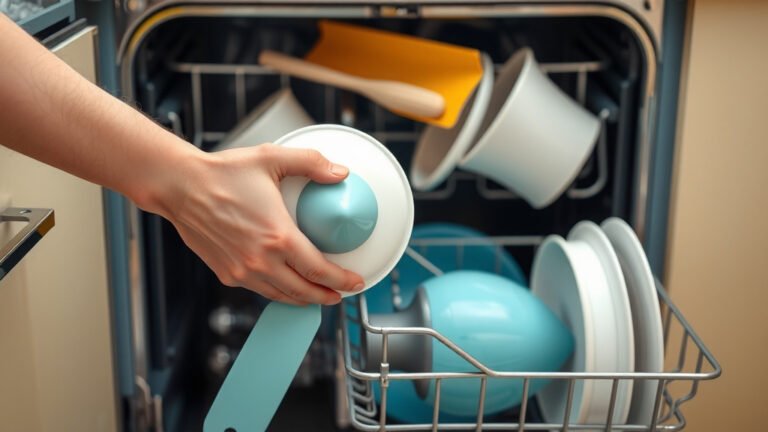
The most direct way loading affects detergent is by blocking the dispenser door. Make sure that large items, like pots or baking sheets, aren’t positioned in a way that prevents the dispenser from opening freely. This is a simple fix you can check visually.
We found that people often place large items directly in front of the dispenser. This is an easy mistake to make. Just give the dispenser door a gentle nudge before you start the cycle to ensure it can open.
Water Flow and Spray Arm Issues
Even if the detergent dispenses, it needs proper water flow to dissolve and distribute. If the spray arms are clogged or blocked, the water won’t reach all areas effectively. This can leave detergent residue on dishes and in the bottom of the tub.
Clean your spray arms regularly. Small food particles can get lodged in the tiny holes. You can usually remove them by unscrewing the spray arm and using a toothpick or a small brush to clear the openings. Adequate water circulation is key for dissolving and cleaning.
Quick Checklist for Your Dishwasher Detergent Woes
Let’s recap the most common fixes. Before you call for service, run through this quick checklist:
- Check Water Temperature: Ensure your water heater is set to at least 120°F.
- Pre-run Hot Water: Run hot water at the sink before starting the dishwasher.
- Inspect Dispenser: Make sure the detergent dispenser door opens freely.
- Test Different Detergent: Try a new, high-quality powder or pod.
- Address Hard Water: Consider a rinse aid or dishwasher salt if you have hard water.
- Load Wisely: Don’t let dishes block the dispenser or spray arms.
Conclusion
It’s clear that your dishwasher detergent not dissolving is a puzzle with several common pieces. You’ve learned that water temperature is a major player, so checking your water heater is key. The type of detergent you use and how it gets into the wash cycle matters a lot, too. Don’t forget simple mechanical issues like a blocked dispenser or even how you load your dishes. By systematically checking these points, you can solve this mystery.
Your next step? Grab a thermometer and check your hot water temperature first. Then, give your dispenser a good look before your next load. You’ve got this!
Frequently Asked Questions
Why do dishwasher detergent pods sometimes leave a residue?
Sometimes, the plastic casing on detergent pods can be slow to dissolve, especially in cooler water. We’ve found that ensuring your water is hot enough and that the pod is placed correctly in the dispenser helps. If you consistently see residue, try a different brand or a powder detergent.
Can running the dishwasher on a short cycle affect detergent dissolving?
Yes, it absolutely can. Shorter cycles may not provide enough time for the water to heat up sufficiently or for the detergent to fully dissolve and circulate. We recommend using a normal or heavy-duty cycle if you’re experiencing dissolving issues, especially with cooler water.
How often should I clean my dishwasher’s detergent dispenser?
You should aim to inspect and clean your detergent dispenser at least once a month. Food debris or mineral buildup can easily clog it. Research suggests that regular cleaning prevents the dispenser door from sticking and ensures detergent is released properly.
Does the brand of detergent really matter for dissolving?
The brand can definitely make a difference. Some detergents use different formulations or ingredients that dissolve more readily than others. We’ve found that higher-quality detergents, particularly those designed for your specific water conditions (like hard water), tend to perform better.
What’s the best way to test if my water is too hard for my detergent?
A good indicator is white, chalky spots on your dishes or glassware after washing, or visible limescale buildup inside your dishwasher. You can also purchase inexpensive water hardness test strips online or at hardware stores. These strips change color to indicate your water’s mineral content.