Why Are My Glasses Cloudy After Dishwasher?
Your glasses are cloudy after the dishwasher because the high heat and harsh detergents can damage their special coatings. This often leaves behind a cloudy film that makes it hard to see clearly. It’s a common and frustrating problem!
Dishwashers are great for many things, but they aren’t always kind to delicate items like eyeglasses. The combination of hot water and strong cleaning agents can strip away protective layers, leading to that annoying fog. Many people don’t realize their dishwasher can cause this damage.
- Dishwashers use high heat and strong detergents.
- These can damage special coatings on your glasses.
- This creates a cloudy film that obstructs vision.
- It’s a common issue many eyeglass wearers face.
Let’s figure out exactly why this is happening and what you can do about it.
Why Are Your Glasses Foggy After a Dishwasher Cycle?
So, you pulled your glasses out of the dishwasher, expecting them to be sparkling clean. Instead, they’re covered in a frustrating white haze. You might be asking, “What in the world happened?”
It’s a common scenario, and the culprit is usually a combination of factors inside your dishwasher. Your eyeglasses are simply not designed to withstand that kind of treatment. Let’s break down exactly what’s going on.
The Harsh Environment Inside Your Dishwasher
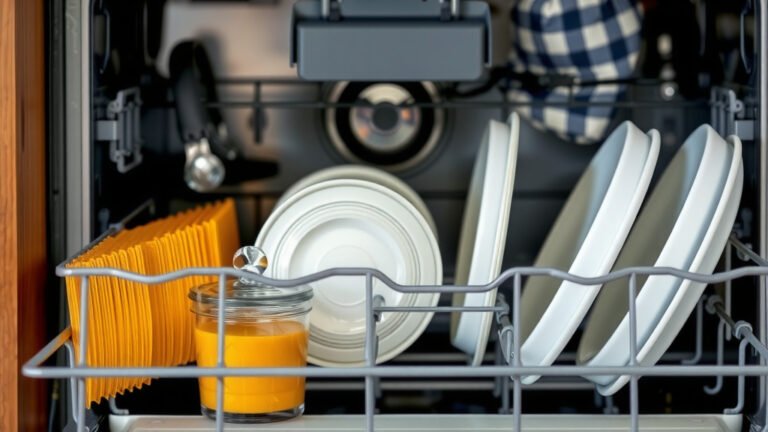
Think of your dishwasher as a miniature car wash for dishes. It uses powerful jets, scorching water, and aggressive cleaning agents. Your eyeglasses, with their delicate frames and special lens coatings, are like a fancy convertible in that car wash.
High Temperatures Can Be a Problem
Dishwashers can reach very high temperatures, often between 120°F and 160°F (49°C to 71°C). This intense heat is great for sanitizing plates but can be too much for the materials used in eyeglasses. Many frames, especially those made of plastic or certain metals, can warp or degrade under such heat.
The lenses themselves are also sensitive. The heat can cause the various layers of coatings applied to your lenses to separate or bubble. This is a leading cause of that cloudy appearance.
The Power of Dishwasher Detergents
Dishwasher detergents are formulated to cut through tough grease and baked-on food. They are typically much stronger and more alkaline than hand dish soap. This alkaline nature is what makes them so effective on dishes, but it can be quite damaging to delicate surfaces like lens coatings.
These detergents often contain harsh chemicals and abrasives. They can strip away protective layers, leaving the lens surface vulnerable and causing that milky or foggy look. You wouldn’t use oven cleaner on your skin, right? It’s a similar idea here.
Understanding Lens Coatings and Their Vulnerability
Modern eyeglasses often come with several coatings to improve their performance and durability. These aren’t just fancy add-ons; they serve important functions.
The Layers That Protect Your Vision
Your lenses likely have a combination of coatings. These can include:
- Anti-scratch coatings: These help prevent minor abrasions from everyday wear.
- Anti-reflective (AR) coatings: These reduce glare and improve light transmission, making your vision clearer.
- UV protection coatings: These block harmful ultraviolet rays from the sun.
- Hydrophobic and Oleophobic coatings: These repel water and oil, making lenses easier to clean and less prone to smudges.
How Dishwashers Ruin These Coatings
When your glasses go through a dishwasher cycle, the intense heat and strong detergents work together to attack these delicate layers. The heat can soften or warp the coatings, while the harsh chemicals can essentially dissolve or peel them away. This is why the damage often appears as a cloudy film or streaky residue.
Many coatings are applied as very thin, bonded layers. Think of it like carefully applied paint on a model car. A strong blast of water and harsh chemicals can easily chip away at that paint job, revealing the raw material underneath or leaving patchy spots.
Common Issues Resulting from Dishwasher Exposure
Beyond just looking cloudy, putting your glasses in the dishwasher can lead to several other problems.
Permanent Damage to Lenses
The most disheartening outcome is that the damage is often permanent. Once those delicate coatings are stripped away or compromised, they usually can’t be restored. This means the cloudy appearance might not just be temporary dirt; it could be the actual lens surface that’s been altered.
This is why many opticians and eyeglass manufacturers strongly advise against washing glasses in a dishwasher. The damage goes beyond a simple cleaning failure; it’s a material breakdown.
Compromised Frame Integrity
It’s not just the lenses that are at risk. The heat can also damage the frames themselves. Plastic frames can become warped, discolored, or brittle. Metal frames might corrode or discolor, especially if they have a special finish applied.
A warped frame means your glasses won’t fit properly anymore. This can lead to discomfort, poor vision correction, and even headaches. It’s a cascade of unfortunate events, all starting with one trip through the dishwasher.

Why Your “Clean” Glasses Look Worse Than Before
You might be wondering why putting them through a cleaning cycle makes them look dirtier. It’s because the dishwasher isn’t just failing to clean; it’s actively damaging the materials that are supposed to keep your vision clear.
The Illusion of “Clean”
When the coatings are removed, the bare lens material can become more susceptible to smudging and holding onto residue. What appears as cloudiness is often the result of these protective layers being compromised. Think of it like scratching the smooth surface of a mirror; it won’t reflect light as clearly anymore.
The high heat can also cause mineral deposits from your tap water to bake onto the lenses, exacerbating the cloudy effect. So, you end up with a two-pronged attack: coating damage and mineral buildup.
What to Do When Your Glasses Are Cloudy After the Dishwasher
If you’ve found yourself in this situation, don’t panic! While the damage might be irreversible, there are steps you can take.
Gentle Cleaning Attempts
First, try a gentle hand wash. Use lukewarm water and a mild dish soap (specifically designed for hand washing, not dishwasher pods) or a dedicated eyeglass cleaner. Use your fingertips to gently rub the lenses and frames.
Rinse thoroughly with lukewarm water. Dry them with a soft, lint-free microfiber cloth. Avoid paper towels or tissues, as they can leave behind lint and even scratch the lenses. If the cloudiness persists after this, it’s a sign of deeper damage.
Assessing the Damage and Next Steps
If the gentle cleaning doesn’t work, it’s likely that the lens coatings have been permanently damaged. In this case, you may need to replace the lenses. Your frames might be salvageable if they weren’t too badly warped or corroded.
It’s always a good idea to take your glasses to an optician. They can properly assess the damage and advise you on the best course of action, whether it’s lens replacement or a new pair of glasses altogether.
Preventing Future Dishwasher Mishaps
The best solution is prevention! Once you know the risks, you can avoid repeating the mistake.
Here’s a quick checklist to keep your glasses safe:
- Never put your eyeglasses in the dishwasher.
- Use a soft, microfiber cloth for daily cleaning.
- Use lukewarm water and mild hand dish soap or eyeglass cleaner.
- Store your glasses in a protective case when not worn.
- Avoid placing your glasses lens-down on surfaces.
- Don’t use harsh chemicals or abrasive materials to clean them.
Conclusion
So, you’ve discovered why your glasses turn cloudy after a dishwasher cycle. It’s a common mishap caused by the intense heat and harsh detergents attacking your lenses’ delicate coatings. This damage can be permanent, leaving you with a frustrating haze or even warped frames.
The best approach is prevention. Always keep your eyeglasses out of the dishwasher and stick to gentle, hand-washing methods for cleaning. If you find your glasses are already cloudy, try a careful hand wash, but be prepared that you might need to visit your optician for lens replacement or a new pair.
Frequently Asked Questions
Can a dishwasher permanently ruin my glasses?
Yes, a dishwasher can cause permanent damage. The high heat and strong detergents can strip away protective lens coatings and even warp or discolor your frames. Once these layers are gone, they often cannot be repaired.
Is it safe to hand wash my glasses with regular dish soap?
It’s best to use a mild dish soap specifically designed for hand-washing dishes or a dedicated eyeglass cleaner. Some regular dish soaps can still be a bit too harsh for delicate lens coatings. Always rinse thoroughly and dry with a soft microfiber cloth.
What if my glasses are still cloudy after hand washing them?
If a gentle hand wash doesn’t clear up the cloudiness, it’s a strong indicator that the lens coatings have been damaged. You’ll likely need to have the lenses replaced by an optician to restore clarity.
Can dishwasher salt or rinse aid damage my glasses?
Yes, these additives are designed to be strong. Rinse aid can leave a residue, and dishwasher salt contains harsh chemicals that can further damage lens coatings and frames, compounding the effects of the heat and detergent.
What is the best way to clean my glasses daily?
The safest daily cleaning method is to rinse your glasses under lukewarm water, apply a tiny drop of mild hand dish soap or eyeglass cleaner, gently rub with your fingertips, rinse thoroughly, and dry with a clean microfiber cloth. Avoid paper products, as they can scratch.