
Dishwasher Auto Cycle: What It Is & How It Works
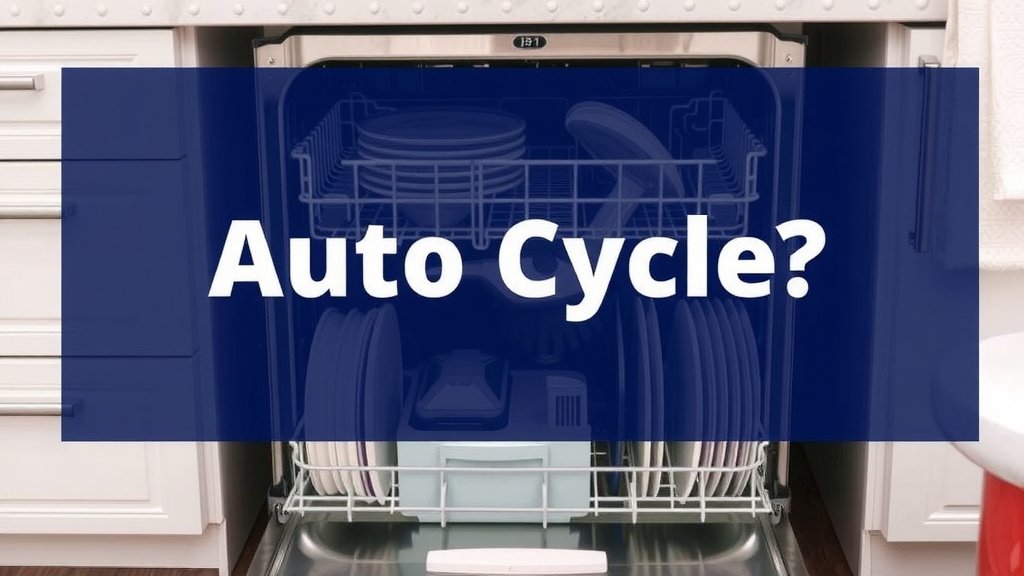
The auto cycle on your dishwasher is essentially a smart, hands-off cleaning mode. It uses sensors to detect how dirty your dishes are. Then, it automatically adjusts the water temperature, spray pressure, and wash time for optimal cleaning. It’s designed to give you the best results with minimal guesswork.
Think of it as your dishwasher’s built-in cleaning expert. Instead of picking a specific cycle, you can often rely on the auto setting to figure out the best approach. This saves you time and energy, ensuring your dishes get thoroughly cleaned without you needing to be a dishwasher guru. Many modern dishwashers offer this convenient feature.
- The auto cycle uses sensors.
- It detects the soil level on your dishes.
- It adjusts water temperature and spray intensity.
- This means less guesswork for you.
- It aims for the best cleaning performance automatically.
Let’s dive into what makes this auto cycle so handy and how it works to get your dishes sparkling clean.
You’ve seen the button on your dishwasher, maybe even pressed it a few times. But what exactly is this mysterious “auto cycle” doing for your dirty dishes? It’s your dishwasher’s way of saying, “Let me handle this!” without you having to choose the perfect setting.
Understanding Your Dishwasher’s Automatic Cleaning Mode
This auto cycle is designed to be your dishwasher’s default smart cleaning option. It’s built to simplify your life. You can often trust it to get the job done right. It’s like having a small cleaning robot inside your kitchen appliance.
How the Auto Cycle Works Its Magic
At its core, the auto cycle relies on sensors. These aren’t just fancy lights; they’re actual tools that help your dishwasher gauge the level of grime. It’s quite clever when you think about it. Your dishwasher can “see” how dirty your plates and cups are.
The Role of Sensors
Dishwashers equipped with auto cycle features have specific sensors. These sensors are often located within the tub. They measure the turbidity of the water. Turbidity simply means how cloudy the water gets. Cloudy water means there are lots of food particles floating around. Clearer water suggests the dishes are already quite clean.
Making Smart Adjustments
Once the sensors detect the soil level, the dishwasher takes over. It then adjusts several key cleaning elements. This includes the water temperature. It can also control the intensity of the water spray. The duration of the wash cycle can also change. This ensures neither too much nor too little cleaning power is used.
Why Choose the Auto Cycle?
The biggest advantage is convenience. You don’t need to be a dishwashing expert to get clean results. Just load your dishes, add detergent, and press the auto button. It’s a time-saver for busy households. It takes the guesswork out of choosing the right setting.
Many users find it delivers excellent cleaning performance. For everyday messes, it’s usually more than enough. It helps avoid wasting water and energy. Running a heavy-duty cycle when it’s not needed is inefficient. The auto cycle aims for efficiency.
Benefits of Using the Auto Cycle
Beyond just being easy, the auto cycle offers tangible benefits. It’s a feature that many people find themselves using regularly. Let’s look at why it’s so popular.
Optimized Cleaning Performance
Your dishwasher is programmed to provide the best possible clean. It doesn’t just use a standard setting for every load. It aims to adapt to what’s inside. This means your plates might get a hotter wash if they’re really greasy. Lighter loads might use less heat and water.
Energy and Water Savings
One of the smartest aspects of the auto cycle is its efficiency. It’s designed to conserve resources. By detecting the soil level, it only uses what’s necessary. This means less water is heated and less water is used overall. Over time, this can lead to noticeable savings on your utility bills. Many sources suggest that modern dishwashers are far more efficient than handwashing (Energy Star). The auto cycle enhances this efficiency.
Reduced Wear and Tear
Using overly aggressive settings for light loads can be tough on your dishes. It can also put extra strain on your dishwasher’s components. The auto cycle helps prevent this. By using the appropriate level of cleaning power, it can help prolong the life of both your dishes and your appliance. Think of it as a gentler approach when gentleness is needed.
When is the Auto Cycle the Best Choice?
So, when should you press that button? For most everyday situations, the auto cycle is a fantastic option. It’s perfect for loads that contain a mix of different types of dishes. Some plates might have dried-on food, while others are lightly soiled.
Everyday Loads
For your typical family dinner dishes, the auto cycle usually shines. You know, the plates after spaghetti night or the bowls from cereal. It’s designed to handle these common messes effectively. You won’t have to guess if a “normal” cycle is enough.
Mixed Loads
Do you have a load with delicate glasses alongside heavily greased pans? The auto cycle can often manage this. It will likely adjust its settings to care for the glasses while still tackling the pans. This adaptability is a major plus for busy kitchens.
When You’re Unsure
Let’s be honest, sometimes we just don’t know the best setting. Is that caked-on cheese a “heavy” soil or just a “medium” one? If you’re ever in doubt, the auto cycle is your safe bet. It removes the burden of making that decision. Your dishwasher is equipped to decide.
Potential Downsides and When to Choose Another Cycle
While the auto cycle is incredibly convenient, it’s not always the perfect solution for every single scenario. There are times when you might want to manually select a different cycle.
Extremely Heavily Soiled Items
If you have pots and pans with burnt-on food or very stubborn, dried-on messes, the auto cycle might not be enough. In these cases, a dedicated “Heavy Duty” or “Pots and Pans” cycle might be more effective. These cycles typically use higher temperatures and longer wash times.
Very Light Loads or Delicate Items
Conversely, if you’re washing a very small load of lightly soiled items or an abundance of delicate glassware, the auto cycle might still be a bit too aggressive. Some dishwashers have specific “Light” or “Delicate” cycles that offer a gentler wash. This can protect fragile items from harsh spraying or high heat.
Specific Cleaning Needs
Sometimes, you might have a particular cleaning goal. Perhaps you need to sanitize baby bottles. Or maybe you want a quick rinse before a longer wash later. In these situations, cycles like “Sanitize” or “Rinse Only” are your best bet. The auto cycle is great for general cleaning, but not specialized tasks.
A Quick Checklist for Using Your Auto Cycle
To make sure you’re getting the most out of your auto cycle, keep these points in mind:
- Ensure your dishwasher’s sensors are clean and free of debris.
- Scrape off large food particles before loading.
- Don’t overload the dishwasher; allow water to circulate freely.
- Use a quality dishwasher detergent.
- Check the results and adjust if necessary for future loads.
- Consider using a rinse aid for extra shine, especially on glassware.
By understanding what your auto cycle does, you can make an informed decision about when to use it. It’s a smart feature designed to make your life easier and your dishes cleaner.
Conclusion
You’ve learned that your dishwasher’s auto cycle is its smart brain. It uses sensors to figure out how dirty your dishes are. Then, it adjusts water temperature, spray power, and wash time automatically. This means you get excellent cleaning without any guesswork. It’s also a great way to save energy and water for everyday messes. For most loads, the auto cycle is your go-to setting. Give it a try on your next dishwashing task and see how easy it makes things!
Frequently Asked Questions
Will the auto cycle always get my dishes clean?
For most everyday loads, the auto cycle is very effective. It adapts to common food soils. However, extremely burnt-on food or heavily greased pans might need a specific heavy-duty cycle for best results.
How do the sensors in the auto cycle actually work?
The sensors measure the turbidity of the water. This means they detect how cloudy the water is from food particles. Clearer water indicates cleaner dishes, allowing the dishwasher to adjust the cycle accordingly.
Is the auto cycle really more energy-efficient?
Yes, it generally is. By sensing soil levels, the dishwasher only uses the necessary amount of water and heat. This avoids wasting resources on lighter loads or dishes that are already clean.
Can I use the auto cycle if I have delicate glassware?
Often, yes. The auto cycle is designed to adapt. It may use gentler spray pressure and lower temperatures for delicate items within the same load. If you have a lot of very fragile items, a dedicated delicate cycle might offer extra peace of mind.
What should I do if the auto cycle doesn’t clean my dishes well?
First, check that your dishwasher’s sensors are clean. Also, ensure you’re scraping off large food debris before loading. If problems persist, try a different cycle, like “Normal” or “Heavy Duty,” depending on the dishes’ soil level.