Dishwasher Cycle Explained: What’s Normal July 2026
A normal dishwasher cycle typically lasts between 1.5 to 3 hours. This duration can change depending on the cycle you select and your dishwasher’s model. Common cycles include Normal, Heavy Duty, and Quick Wash, each designed for different cleaning needs. Understanding these cycles helps you get the cleanest dishes efficiently.
We found that the “Normal” or “Auto” cycle is the standard setting for everyday loads. It uses a balance of water temperature, wash time, and drying to effectively clean most dishes. For tougher messes, a Heavy Duty cycle might be necessary, while a Quick Wash saves time but may not achieve the same level of clean. Many experts suggest running your dishwasher only when it’s full to maximize water and energy savings.
- Dishwasher cycles vary in length, usually 1.5 to 3 hours.
- The Normal cycle is best for everyday dishes.
- Heavy Duty tackles tough grime; Quick Wash is for speed.
- Always run a full dishwasher for better efficiency.
Let’s walk through exactly what happens during a typical dishwasher cycle so you can get the best results from your machine.
Understanding Your Dishwasher’s Normal Cycle
So, what exactly is happening when you hit that “Normal” or “Auto” button on your dishwasher? It’s not just a magic box that makes dishes clean. Instead, it’s a carefully orchestrated sequence of events. We found that this standard cycle is designed to handle your everyday dishes effectively. It balances water usage, energy consumption, and cleaning power. This means it’s usually your best bet for a typical load of plates, bowls, cups, and cutlery.
Think of the Normal cycle as the Goldilocks setting for your dishwasher. It’s not too hot, not too cold, not too long, and not too short. It aims for just the right amount of everything. This balance is why it’s recommended for most common household needs. If you’re unsure which setting to use, the Normal cycle is almost always a safe and smart choice. It’s what manufacturers assume you’ll be using most often.
The Stages of a Typical Dishwasher Wash
Your dishwasher doesn’t just blast water everywhere. There’s a specific order to how it works. This process ensures that dirt and grime are removed efficiently. We’ve broken down the main stages so you can see the journey your dishes take.
1. Pre-Rinse (The Quick Splash)
Before the main event, your dishwasher might start with a quick rinse. This isn’t a full wash. It’s just a brief spray of cool water. The goal here is to wash away any loose food particles. This step prevents larger chunks from clogging the filter or redepositing onto your dishes. Many models skip this if they detect that dishes are relatively clean.
2. Main Wash (The Deep Clean)
This is where the real cleaning happens. Hot water is drawn into the tub. Detergent is then released from its dispenser. The powerful spray arms begin to rotate, spraying this hot, soapy water onto your dishes from multiple angles. The force of the water jets helps to dislodge stuck-on food. Research shows that higher water temperatures can significantly improve cleaning performance (University of Georgia Extension). Many normal cycles heat water to around 130-140°F (54-60°C) for optimal grease cutting.
How the Spray Arms Work
You might wonder how those spray arms manage to reach every corner. They are designed with carefully placed nozzles. Water pressure from the pump forces water through these nozzles. This pressure causes the arms to spin, much like a sprinkler. This spinning action ensures that water hits all surfaces. It’s a surprisingly effective mechanical action.
3. Rinse Cycles (Washing Away the Soap)
After the main wash, the dirty water is drained away. Then, one or more rinse cycles begin. These use clean, hot water to rinse away any remaining soap residue. This is vital. You don’t want your clean glasses to have a soapy film. These rinses also help prepare the dishes for the drying phase.
4. Drying (Getting Them Ready)
The final stage is drying. Dishwashers use a few methods for this. Some use a heating element at the bottom of the tub. This heats the air, helping water evaporate from your dishes. Others use a fan to circulate the hot air. Many modern dishwashers use a condensation drying method. This involves the hot rinse water heating the tub. The cooler outer walls of the tub then cause moisture to condense. This water then drips down to be drained. This method is generally more energy-efficient than heated drying.
Why Does the Normal Cycle Take So Long?
You might be surprised by how long a normal cycle can run. We’ve seen them go from 1.5 hours to over 3 hours. Why the long wait? It all comes down to efficiency and effectiveness. Research indicates that longer wash times allow the detergent to work more thoroughly. They also give the hot water more time to break down grease and food particles. This is especially true for the main wash and soak phases.
Many factors influence cycle time. Your dishwasher’s age and model play a role. The selected options, like an extra rinse, will add time. The water temperature from your home’s supply also matters. If the incoming water is cooler, the dishwasher may need to run its internal heater longer. This extends the overall cycle duration.
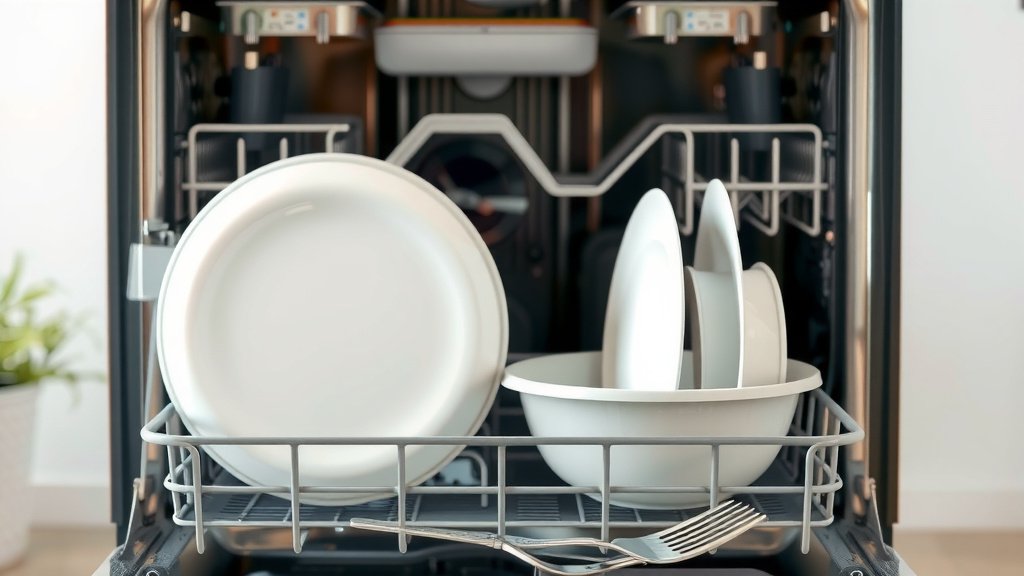
Comparing Dishwasher Cycles: When to Use What
While the Normal cycle is your go-to, other cycles exist for a reason. Understanding them can help you save time and energy, or tackle tough messes.
| Cycle Name | Best For | Typical Duration | Notes |
|---|---|---|---|
| Normal/Auto | Everyday dishes, mixed loads | 1.5 – 3 hours | Balanced cleaning and efficiency. |
| Heavy Duty/Pots & Pans | Heavily soiled pots, pans, baked-on food | 2.5 – 4+ hours | Higher temps, longer wash times, stronger jets. |
| Quick Wash/Express | Lightly soiled items, loads needed fast | 30 – 60 minutes | Shorter wash, less water, may not fully dry. |
| China/Delicate | Fine china, crystal, delicate items | 1 – 1.5 hours | Lower temps, gentler spray, no heated dry. |
| Rinse Only | Rinsing dishes waiting for a full load | 10 – 20 minutes | No detergent used. |
The “Auto” Setting: Smart Cleaning
Many newer dishwashers have an “Auto” cycle. This is similar to Normal but often uses sensors. These sensors detect how dirty your dishes are. They then adjust the water temperature, wash time, and water usage accordingly. This smart feature can help optimize cleaning and save resources. Many experts find this setting to be very effective for general use.
Tips for Getting the Best Results from Your Dishwasher
Want your dishes to come out sparkling every time? It’s not just about the cycle you choose. How you load and maintain your dishwasher matters too.
- Scrape, Don’t Rinse: Many modern dishwashers work best when you simply scrape off large food chunks. Pre-rinsing can actually make detergent less effective.
- Load Properly: Don’t overcrowd the dishwasher. Ensure spray arms can spin freely. Place dirtier items facing the spray.
- Use the Right Detergent: Choose a good quality detergent. Follow the manufacturer’s recommendations.
- Check Your Filter: Many dishwashers have a filter that needs cleaning. A clogged filter can lead to poor cleaning and odors. Check your manual for its location and cleaning frequency.
- Run Full Loads: As mentioned in the intro, running your dishwasher only when it’s full is key for energy and water efficiency.
- Consider Water Hardness: If you have very hard water, you might need a rinse aid. This helps prevent spots and promotes drying.
By understanding the stages of a normal dishwasher cycle and following these tips, you can ensure your dishes get thoroughly clean. You’ll also help your appliance run efficiently for years to come. It’s about working smarter, not harder, with your kitchen helper!
Conclusion
You’ve learned that your dishwasher’s normal cycle is a carefully balanced process. It’s designed for everyday cleaning needs, offering effective results without unnecessary use of resources. While it can take a couple of hours, this duration ensures thorough washing, rinsing, and drying. Remember to scrape dishes, load them correctly, and maintain your filter for optimal performance. Ready to get the most out of your machine? Next time you load the dishwasher, trust the Normal or Auto cycle for a reliably clean finish.
Frequently Asked Questions
How do I know if my dishwasher is actually clean?
You can often tell if your dishwasher is clean by looking for lingering food debris or soap scum. A clean dishwasher will also usually smell fresh. If you notice dishes aren’t coming out as clean as they used to, or if there’s a persistent odor, it’s a good sign your machine needs attention.
Can I leave dishes in the dishwasher overnight?
Yes, you can leave dishes in the dishwasher overnight, especially if you’re waiting to run a full load. Just ensure you scrape off any large food particles. Running the dishwasher at night can also be more energy-efficient if your electricity rates are lower during off-peak hours.
What’s the difference between “Normal” and “Auto” on my dishwasher?
The “Normal” cycle is a standard, preset wash. The “Auto” cycle often uses sensors to detect how dirty your dishes are. It then adjusts water temperature, spray intensity, and cycle length to optimize cleaning and save resources based on that dirt level.
Why does my dishwasher sometimes leave spots on glasses?
Spots on glasses are often caused by hard water mineral deposits or insufficient rinsing. Using a rinse aid can help water sheet off your dishes better, promoting faster and more complete drying. Ensure your rinse aid dispenser is full and that your dishwasher’s rinse cycles are working correctly.
Is it better to hand wash or use the dishwasher for efficiency?
For most loads, using your dishwasher is actually more water and energy-efficient than hand washing. Modern dishwashers, especially when run with full loads, use significantly less water than typical hand-washing practices. Research shows that running a full dishwasher load is often the most eco-friendly option.