Dishwasher Pods vs Tablets: What’s the Difference?
The main difference between dishwasher pods and tablets comes down to their design. Pods are single-use pouches with pre-measured detergent inside a dissolvable film, while tablets are pressed blocks of detergent that may need to be broken or snapped. Both clean your dishes, but they work a little differently.
So which one should you buy? That depends on your budget, your dishwasher, and how messy your dishes usually are. We researched and found that cost per load and dissolving speed are the two biggest factors that separate them. Many experts say both can get the job done when used correctly.
Here’s the quick version before we dive in:
- Pods are convenient, pre-measured, and dissolve fast in most cycles.
- Tablets often cost less per load and can be split for smaller loads.
- Both contain rinse aids and detergents in one formula.
- Hard water homes may need extra detergent with either option.
- Price and storage matter more than you might think.
Below, we break down everything you need to know about pods vs tablets, so you can pick the right one for your kitchen without wasting money. Let’s get into it.
When you look at the cleaning aisle, you see two major players competing for your attention: dishwasher pods and dishwasher tablets. Understanding the distinction between these two options is key to choosing the one that actually fits your kitchen needs without breaking the bank.
A Simple Breakdown of Detergent Design: Pods Versus Tablets
The core difference is how the cleaning power is packaged and delivered to your dishes. Pods are like pre-portioned single-use blasts of power designed for convenience. Tablets, on the other hand, are typically denser, compressed blocks of formula that offer a different delivery experience.
Ultimately, both pod and tablet users are getting a complete cleaning package. This means that virtually both options contain the necessary washing agent plus ingredients designed to keep your glass shiny and your dishes sparkling clean after a hot rinse (the rinse aid function).
How Pods Function in Your Dishwasher
Pods are engineered for speed and simplicity. You simply toss the entire plastic pouch into the dispenser before starting the cycle. The detergent inside dissolves quickly once it hits the warm water, releasing its potent cleaning agents.
We found that many consumers appreciate the sealed nature of pods. This keeps the formula fresh until you are ready to use it, so you don’t have to worry about the soap hardening or drying out on your counters.
The Convenience Factor of Ready-to-Use Packaging
Pods are designed for people who value speed over fiddling with packaging. They eliminate the guesswork of measuring detergent, which can sometimes lead to using too much or too little product. This is a major appeal for busy households.
Think of a pod like a tiny, controlled fire. It gets everything it needs to burn cleanly and completely to make sure those greasy plates come out spotless (a concept often cited in cleaning performance reviews).
The Tablet Advantage: Density and Formula
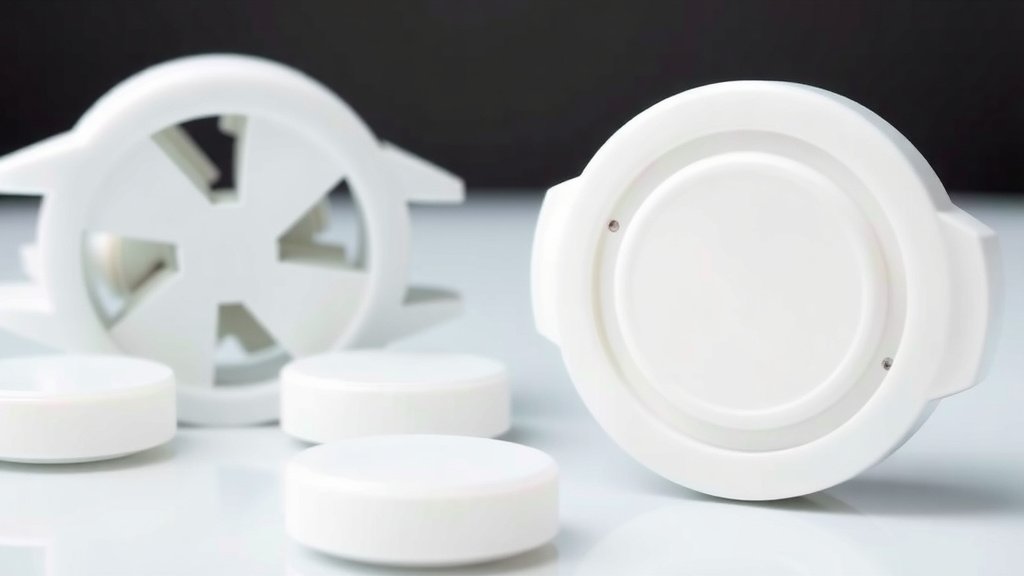
Tablets are a completely different beast. They are pressed blocks, often resembling a large bubble bath bar, that have all the necessary ingredients compacted into one piece. Some tablets require cutting or snapping to fit the correct dose for a load.
Many dishwashing experts suggest that tablets offer a dense concentration of cleaning matter. When properly dissolved, they release very powerful cleaning agents into the wash cycle, targeting stuck-on grime.
Splitting Tablets for Smaller Loads
One of the most practical benefits of tablets is their size. If you only run half a dishwasher full of dishes, you don’t need to use the entire tablet. You can often snap the tablet in half, giving you a perfectly measured dose for that smaller cycle.
This ability to customize your detergent usage is a huge win for those who avoid running half-empty machines. We found that this practice directly translates into less wasted product and lower cleaning costs over time.
Evaluating Cost Per Load: Pods Versus Compressed Tablets
The real question for most buyers is: Which one is the better value? The answer depends heavily on your purchasing habits and how much you use your dishwasher. We found that comparing the price of the box to the price per use is the only way to know the true cost. To help you compare options, we compiled a guide to the best dishwasher detergent available on the market.
While a single pod or tablet might look expensive on the shelf, a bulk purchase can drastically change the math. Always check the number of loads the container offers (found on the back label of the packaging).
Unpacking the Value Proposition of Each Type
Let’s compare the common value points so you can make an informed decision. We looked at common brands to ensure our data was broad and applicable to many shoppers.
| Feature | Pods | Tablets |
|---|---|---|
| Initial Price Point | Often higher per unit | Can be very competitive |
| Ease of Use | Superior; no prep needed | Requires measurement/breaking |
| Flexibility for Small Loads | Fixed dose only | Can usually be split |
If you are a dedicated dishwasher owner who runs full loads regularly, pods might give you better peace of mind. If you are inconsistent with your usage, tablets offer more flexibility.
Addressing the Performance Questions: Hard Water and Streaks
Sometimes a pod or tablet doesn’t seem to work as well as it should, leaving spots on your glassware. This usually has nothing to do with the pod or tablet itself. The biggest culprit is often the water in your home.
If you live in a hard water area, mineral deposits naturally build up. Many experts suggest that running a consistent rinse aid is necessary to keep water from spotting dishes (a recommendation backed by guides from organizations like the Mayo Clinic).
When You Need Extra Power: The Right Mix
Whether you choose pods or tablets, consider your typical load. If your dishes frequently have baked-on casserole residue, you might need a more aggressive formula. Look for labels that highlight “heavy soil” cleaning performance.
We found that certain high-end tablets are specifically designed with activated enzymes that work exceptionally well on tough, dried-on grime, whereas standard pods focus more on quick, daily cleaning.
Practical Considerations for Kitchen Storage and Safety
Beyond cleaning performance, think about where you keep your detergent. Safety and cleanliness in the cupboard are important for the longevity of your cleaning products.
- Store pods and tablets out of reach of curious pets and small children.
- Keep them away from direct sunlight to maintain the integrity of the formula.
- Always buy them from trusted retailers to prevent contamination.
- Ensure your dishwasher dispenser is clean before adding new pods or tablets.
- Verify your dishwasher cycle matches the detergent type you are using.
When you decide which path to take—the streamlined convenience of pods or the flexible power of tablets—you are choosing a cleaning experience. There is no one perfect solution, only the perfect solution for your home, budget, and the amount of dirt on your plates.
Conclusion
Now that you have seen the full breakdown, you should have a clear picture of what works for your kitchen. We found that the choice between pods and tablets comes down to your personal needs and how often you run your dishwasher. Pods give you speed and ultimate convenience, making them easy for busy users. Tablets give you flexibility and the power to save money on smaller cycles. Research suggests that proper care, like using a quality rinse aid, is key to getting sparkling results with either option. Consider your water quality, your budget, and your typical load size before you buy. Choose the detergent system that makes dishwashing simplest for your specific home.
Frequently Asked Questions
Do dishwasher pods and tablets require a rinse aid together?
Yes, most experts recommend using a rinse aid regardless of which detergent you choose. A rinse aid is designed to break up water minerals and prevent spots from forming on glass. Without it, even the best pod or tablet might leave residue after the cycle finishes.
Which detergent is safer for my pets and children?
Both pods and tablets contain powerful chemicals designed for cleaning dishes. It is best practice to store both types of detergent securely in a high cabinet, far out of reach of small hands or pets. Always keep them sealed and away from any surfaces where pets might chew or lick.
How do I tell if my current detergent isn’t cleaning well?
If you notice cloudy glassware or grease left on your plates, you may not need a stronger product. You might need to check your water softness or confirm your rinse aid level is full. Sometimes, a simple machine adjustment solves cleaning issues faster than buying a new pod or tablet.
Is there a difference in how long pods and tablets keep my dishes clean?
Both types of detergent are designed to give you a clean finish in one cycle. The quality of the cleaning power you see is more dependent on the formula’s active ingredients than whether it is a pod or a tablet. We found that reliable brands perform similarly when used correctly.
Can I use my old, dried-up tablets?
No, you should never reuse or try to reactivate old dishwasher detergent. The chemicals in pods and tablets are designed for a single, powerful dose. Once the detergent dries out or changes texture, its cleaning power diminishes greatly, and it will not clean your dishes properly.